Reunion Dinner & Spring Festival Prosperous Dishes delivered to your doorstep on 31st Jan and 15th Feb 2022. Early Bird Promotion! Order by 20th Jan and get 10% discount. Kuala Lumpur Convention Centre bring you joy and convenience this Chinese New Year Eve. Order a sumptuous Reunion Dinner from our a la carte creations to enjoy with your loved ones or a prosperous Yee Sang or Prosperity Abalone Treasure Pot for your friends and business partners. View menu at https://www.


Hong Kong SAR, China, Jan. 6, 2022 — FedEx Express (FedEx), a subsidiary of FedEx Corp. (NYSE: FDX) and one of the world’s largest express transportation companies, announced the launch of FedEx International Priority® Express (IPE) offering customers who ship internationally the flexibility to schedule delivery by 10:30 am or noon to select destinations* worldwide. With the addition of this new service, FedEx now provides a wider range of time-definite international priority shipping options to its customers.
Businesses across the Asia Pacific, the Middle East and Africa (AMEA) region can now select the right delivery option that suits their needs with expanded choices, giving them enhanced convenience and flexibility.
- The newly launched FedEx International Priority® Express (IPE) service provides AMEA customers with delivery by 10:30 or noon to select markets* in Asia (Hong Kong, Thailand, Singapore, Australia), United States, Canada and Europe.
- FedEx International First® offers AMEA customers the option for early-day delivery to select postal codes and destinations* in the United States, Canada and Europe.
- And, FedEx International Priority® (IP) offers end of the day delivery to more than 220 countries and territories around the globe.
These time-definite cross-border delivery options are part of FedEx efforts to support businesses amidst the soaring demand for cross-border commerce. At USD $3.9 trillion[1] the Asia Pacific logistics market is poised to grow at a compound annual growth rate (CAGR) of 6% between 2020-2025[2]. And, across the Middle East and Africa, it is expected to reach USD $315 billion, growing at a CAGR of 4% by 2027.[3]
“Adding International Priority Express (IPE) is an important enhancement to our portfolio and we’re launching it at a critical moment in time. As economies begin to recover, businesses and consumers alike are placing heightened value on trackable, time-definite delivery, and the segment is set to grow[1],” said Kawal Preet, president, Asia Pacific, Middle East and Africa (AMEA) region, FedEx Express. “IPE is an enhanced service with delivery windows early in the day for critical time sensitive shipments. The expanded range of solutions we now offer gives businesses of all sizes greater control, by providing them with more choices that match their needs.”
This is the latest addition to FedEx portfolio of services. Last September, FedEx enhanced it’s cross-border e-commerce capabilities with the launch of FedEx® International Connect Plus (FICP), an international, day-definite, e-commerce shipping service that combines competitive speed with attractive prices. It is available, across ten AMEA markets including Australia, Hong Kong, India, Japan, mainland China, Malaysia, Singapore, South Korea, Taiwan, and Thailand. Express logistics forms a critical part of the cross-border e-commerce value chain. Consumers today expect fast, customizable, and convenient delivery options, and close to 15% of online shoppers would not make a repeat purchase if their shipment doesn’t arrive on time.[4]
[1] https://www.statista.com/statistics/1069868/total-global-logistics-market-size-region/
[2] https://www.mordorintelligence.com/industry-reports/asia-pacific-freight-logistics-market-study
[3] https://www.prnewswire.com/news-releases/middle-east-and-africa-freight–cargo-market-is-set-to-grow-at-a-cagr-of-around-4-37-by-2027–owing-to-increasing-demand-for-logistics-across-various-industry-verticals-says-absolute-markets-insights-300995211.html
[1] Global Time Definite Market Report Dec 2021 Time Definite Parcel Market Analysis, Growth, Key Players, Shares, Drivers, Challenges with Forecast to 2025 – MarketWatch
It has been almost three weeks since the devastating floods across Malaysia, leaving thousands of people displaced and their livelihoods affected. In response to this disaster, many people, including AMCHAM members, have come out in full force to help those in need.
We would like to highlight the generous contributions made by some of our members:
Intel partnered with Yayasan Salam Malaysia in December, donating RM100,000 as part of flood relief efforts.
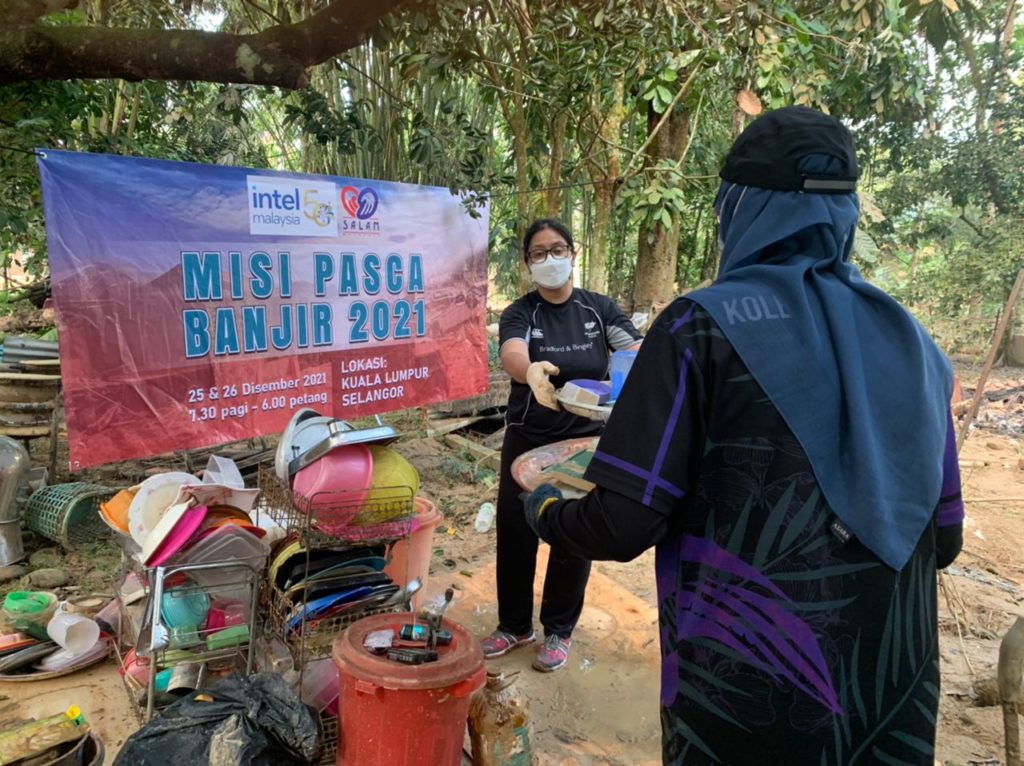
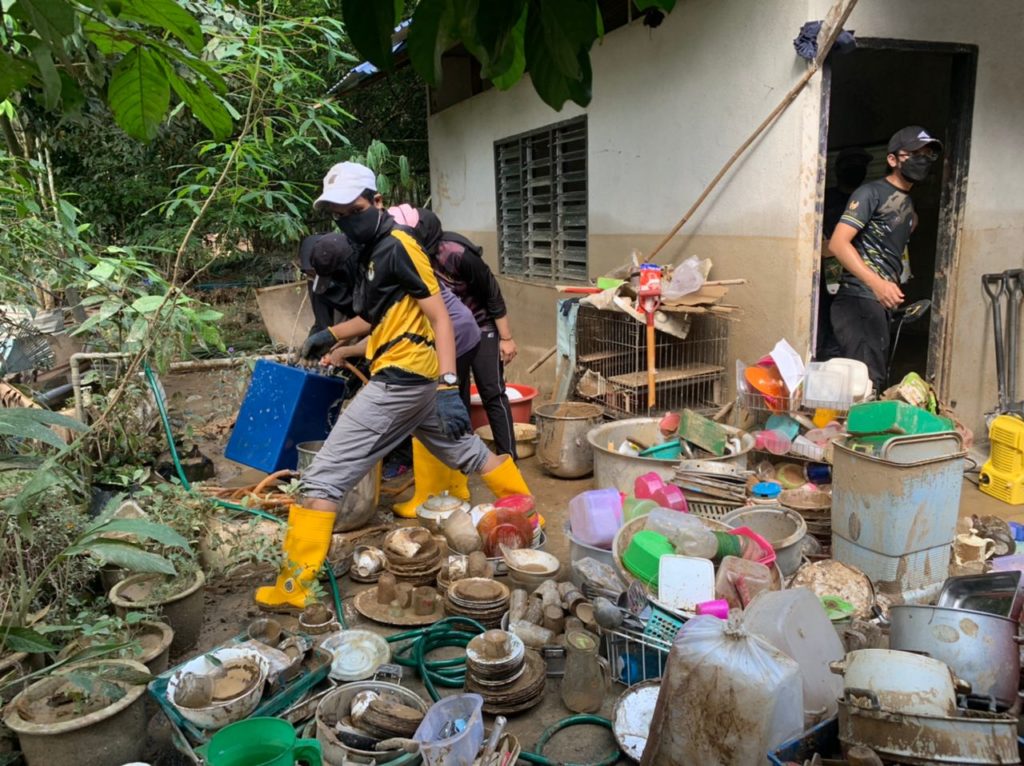
Rapiscan Systems Sdn. Bhd. contributed RM19,205 towards the Mercy Malaysia Flood Relief Fund.
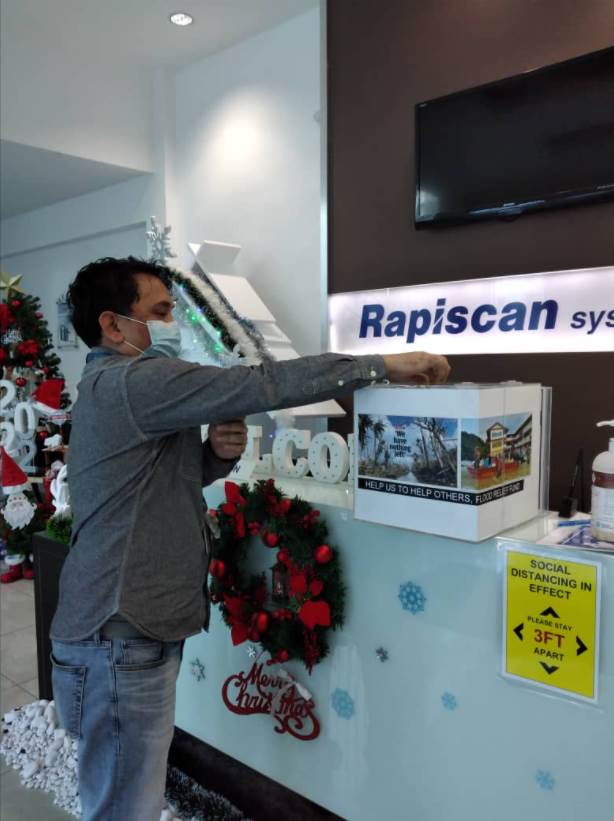
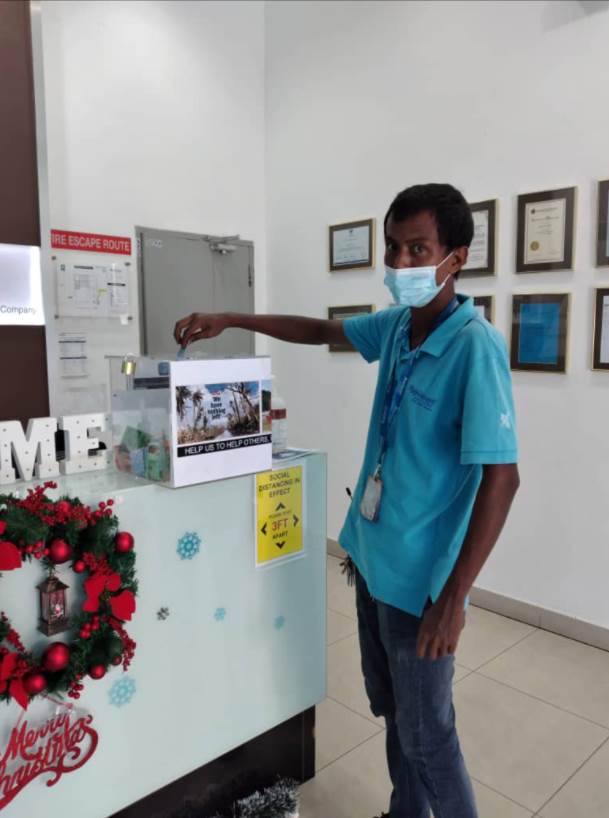
Google Inc’s philanthropic arm, Google.org has donated RM420,800 through the Centre for Disaster Philanthropy (CDP) to help flood victims in Malaysia. Read More
Please let us know of your contributions to any flood relief efforts. Here is a non-exhaustive list of organizations to donate to in this time of need.
HSBC Malaysia will implement a hybrid work model to empower its employees with flexibility.
In a statement Wednesday, HSBC said the introduction of hybrid work model would provide its employees with the flexibility to decide on the arrangement best suited to their roles and their customers on when they would like to work from the office or from home.
“By implementing the hybrid work model, HSBC aims to promote better health and wellbeing amongst its people.
“The new flexible working style will also see improved productivity as HSBC country head of human resources Sugunah Verumandy said: “How we work today is different to the past. Many of our people felt just as, if not more, productive at home as in the office throughout the pandemic.
The Hague Rules impose minimum duties on commercial carriers of goods by sea. The Hague Rules have been – for the best part since the nation’s independence – a part of Malaysian law. Consequently, despite their many faults, the Hague Rules have played a crucial role in oiling the wheels of Malaysia’s sea trade.
As of July 2021, however, the Hague-Visby Rules have now been enacted in West Malaysia. In enacting this improved version of the Hague Rules, the law of carriage of goods by sea in West Malaysia is now in line with that of Malaysia’s major trading partners, and (perhaps, more importantly) fit for trade in the 21st century.
This update by Christopher & Lee Ong explores three key differences between the two sets of Rules (as enacted by the Malaysian Parliament) and the thinking behind them.
KUALA LUMPUR, January 3, 2022 – Premier global nutrition company, Herbalife Nutrition, released findings from its Asia Pacific Health Inertia Survey 2021, which revealed that over six in ten consumers in the region said that their current mental and physical health were less than ideal (‘fair’ or ‘poor’), outnumbering those who felt that they were ‘good’, ‘very good’ or ‘excellent’. This included 68% of Malaysian survey respondents who rated their physical health as ‘fair’ or ‘poor’, while 66% rated their mental health as ‘fair’ or ‘poor’. This reflected a decline to 2020, wherein consumers were split over whether the state of their health was better or worse.
(View APAC Health Inertia Survey Infographic)
Conducted in July and August 2021, Herbalife Nutrition’s Asia Pacific Health Inertia Survey 2021 polled 5,496 consumers aged 18 and above in Australia, Hong Kong, Indonesia, Japan, Korea, Malaysia, Philippines, Singapore, Taiwan, Thailand and Vietnam. The survey revealed insights into the impact of the pandemic on consumers’ health, as well as their attitudes and behaviors towards improving their well-being.
For those who saw a deterioration in their physical health in the past 12 months, eight in ten (82%) Malaysian respondents attributed it to the lack of physical activity, with the country being in and out of lockdowns over the past year. This was followed by eating more unhealthy food (42%) and lack of community support to keep up with exercise regimens (34%). When it comes to mental health deterioration, the key reasons included staying home more often due to movement restrictions (70%), the lack of outdoor activities (60%) and stress over work uncertainties (54%).
For the respondents who saw an improvement in their physical and mental health compared to 12 months ago, the common contributing factor was more exercise. Other factors included consumption of healthier meals, community support and more personal time and space.

“Building on the key learnings for the survey and understanding how the pandemic has affected people’s lifestyles, we kicked off our Shape Up campaign in December 2021. Through the campaign, we encourage Malaysians to take back their health by getting back into a routine with regular exercise and healthy eating,” Steven Chin, Senior Director/General Manager, Herbalife Nutrition Malaysia and Singapore said. “Each new year offers an exciting opportunity for a fresh start. We are committed to supporting Malaysians in starting the year on a positive note to take better care of their health and well-being.”
Many Started Eating Healthier, Exercising More
Despite the results indicating that the majority of consumers in Malaysia believe their health to be less than ideal, many have taken the first step towards healthier eating habits and increasing exercise as a result of the pandemic..
58% Malaysian consumers said they started eating healthier. Among those who said they started to eat less healthily due to the pandemic, the number one factor was the ability to easily access unhealthy snacks.
The survey also revealed that 41% of Malaysian consumers started exercising more because of the pandemic. For those who exercised less during the pandemic, most claimed to exercise 1 to 3 days less per week than before the pandemic hit, citing lack of personal motivation to exercise, lack of space at home to exercise, and the inability to access gyms and fitness centers as the main reasons.
Technology Key in Enabling Healthy Active Behaviors
With the digital wave sweeping across countries in Asia Pacific, technology and social media is also playing a more important role to support healthy active living.
One in two (52%) Malaysian consumers now use technology tools such as fitness trackers (52%), publicly available virtual fitness classes and videos (43%), fitness and workout apps (22%) and nutrition apps (22%) to support their healthy living regimen.
31% of Malaysian consumers reported experiencing a positive influence from social media, while 48% stated social media had no influence on their mental health.
Those who indicated social media as having a positive effect cited the following factors:
- Reading of inspirational/motivational content (58%)
- Viewing of humorous/light-hearted content (51%)
- Inspiration/motivation from social media influencers (51%)
Clear Desire to Kickstart Healthy Active Lifestyles
When asked about their plans to adopt healthy active living habits in the next 12 months, an overwhelming majority (90%) of Malaysian consumers said that they plan to eat more healthily, while 85% plan to exercise more.
Among the steps that they would take to eat more healthily include:
- Drink more water (76%)
- Incorporate more fruits and vegetables into my meals (63%)
- Reduce my consumption of sugar and sweets (61%)
Key actions that they would take to exercise more include:
- Create a specific routine that incorporates regular exercise (65%)
- Influence family and friends to exercise together physically or virtually (41%)
- Purchase exercise equipment to work out at home (29%)