Hong Kong SAR, China, September 25, 2023 – FedEx Express, a subsidiary of FedEx Corp. (NYSE: FDX) and one of the world’s largest express transportation companies, is enhancing the online shipping experience for its customers. The new automated e-commerce capability in FedEx Ship Manager™ (FSM) supports small businesses and e-commerce merchants across AMEA, helping them to efficiently manage their shipments online.
Available across 63 countries and territories in AMEA, this enhancement to FSM allows businesses to create shipments and paperwork from their online orders in a few simple steps, saving considerable time compared to manually entering information to create shipping labels. Customers will now be able to synchronise their Shopify, BigCommerce, WooCommerce and PrestaShop store with FSM at fedex.com. More e-commerce platforms and marketplaces will be added over time.
In addition, FedEx customers can now:
- Link their e-commerce platform or marketplace with FSM to automatically download their order information.
- Create and print labels for multiple orders in one click and sync with electronic trade documents for a smooth clearance process.
- Synchronize update of tracking numbers and order status on sales channels, notifying buyers that orders have been shipped.
“Just as e-tailers strive to provide seamless shopping experiences for their customers, we are focused on a differentiated, more efficient and convenient shipping experience for our e-commerce merchants,” said Salil Chari, senior vice president of Marketing and Customer Experience for Asia Pacific, Middle East and Africa region, FedEx Express. “With this enhancement, small businesses can enjoy automated e-commerce shipping and use the time saved on more strategic tasks to propel their future growth. As a technology company creating possibilities for what’s next, FedEx will continue to build world-class digital solutions like this for our customers.”
FedEx is building out its e-commerce offerings and adding a wide range of solutions. These include B2B marketplace integration through FedEx Compatible and Alliances programs, customizable last-mile delivery options plus direct messaging and convenient tracking through digital tools like FedEx Delivery Manager International and Picture Proof of Delivery which gives consumers the assurance that their package has been delivered to their doorsteps.
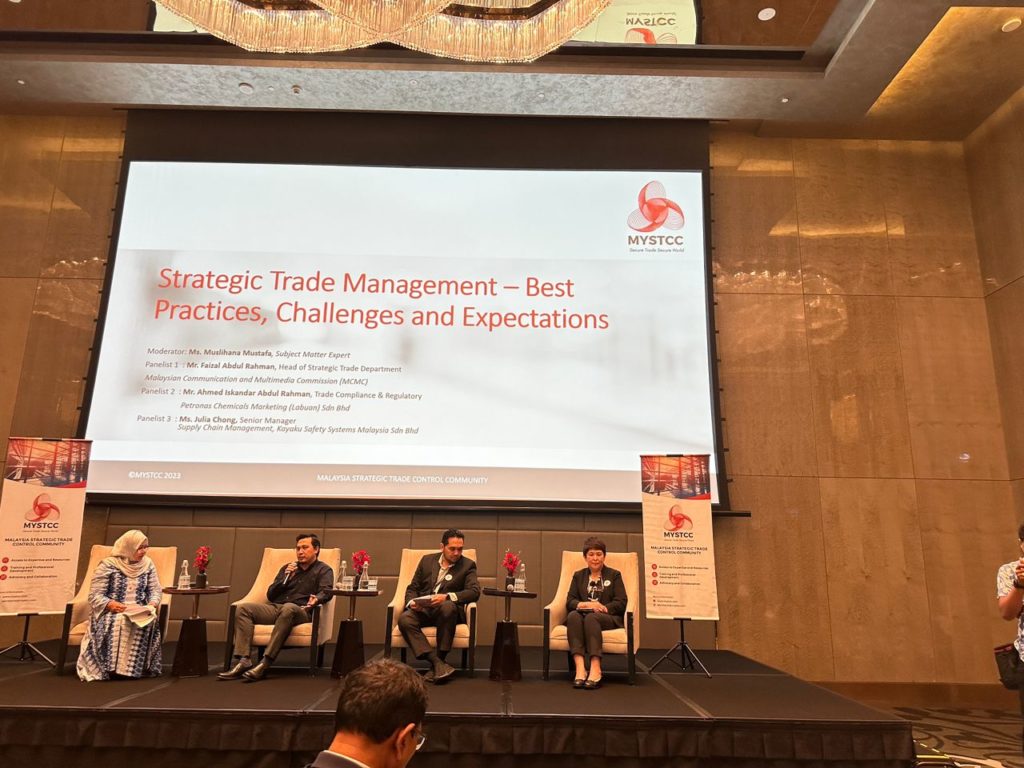
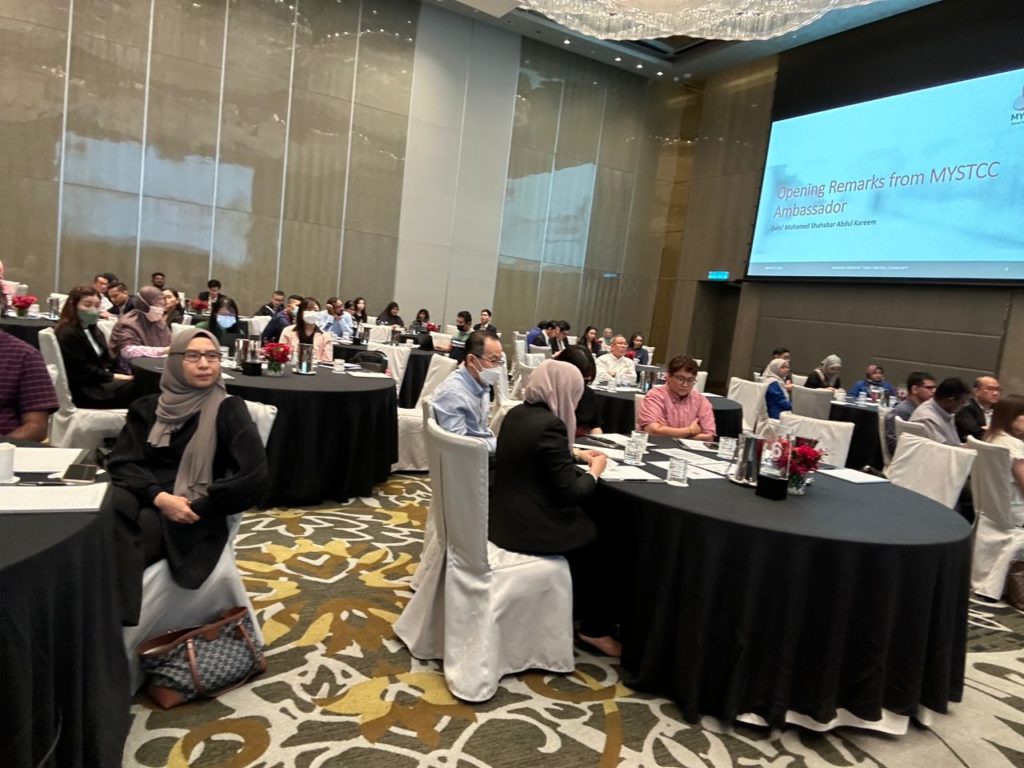
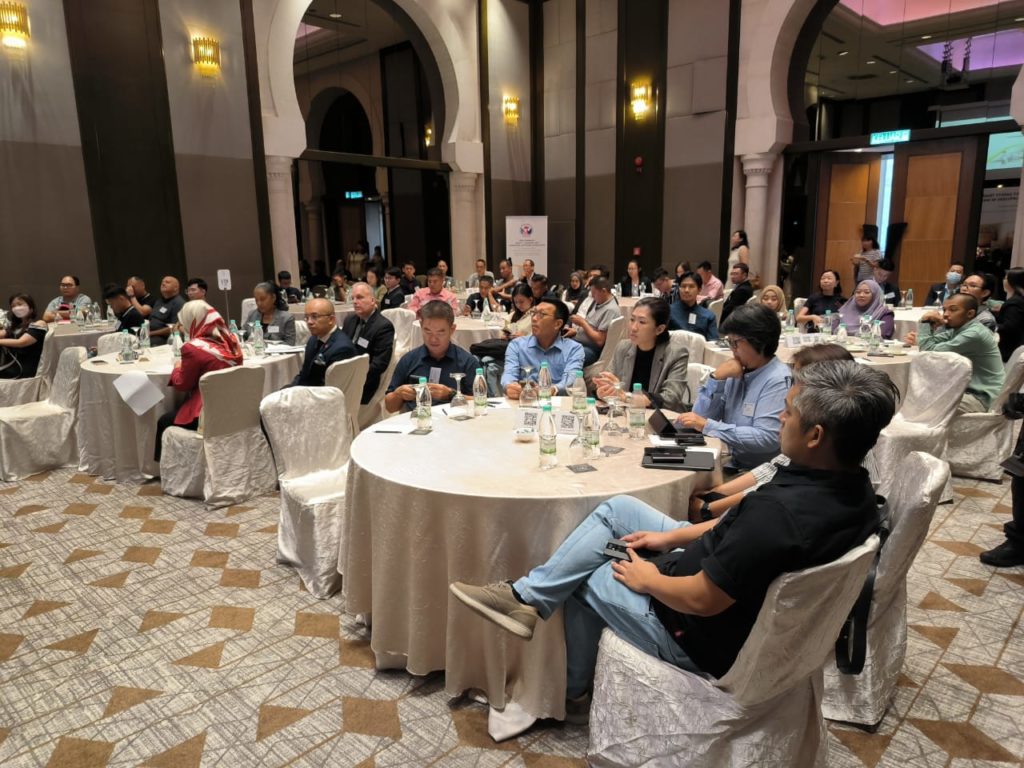
On 27th September, AMCHAM was invited to attend a half day program organized by the Malaysia Strategic Trade Control Community (MYSTCC) at the Four Seasons Hotel Kuala Lumpur.
The program highlighted MYSTCC’s formation journey, shared by representatives from the Ministry of Investment, Trade and Industry (MITI).
This program provided a platform for stakeholders to exchange knowledge and insights while reinforcing our commitment to responsible and secure strategic trade management in Malaysia.
In the panel discussion on “Best Practices, Challenges, and Expectations” in strategic trade management, speakers highlighted the best practices in fostering the regulations compliance, conducting internal due diligence, and engaging with authorities regularly. They also acknowledged the challenges such as cybersecurity threats and the complexities of internal compliance approval. The panelists also stressed the importance of educating university students on the importance of export control.
Thank you MYSTCC for organizing this insightful program!
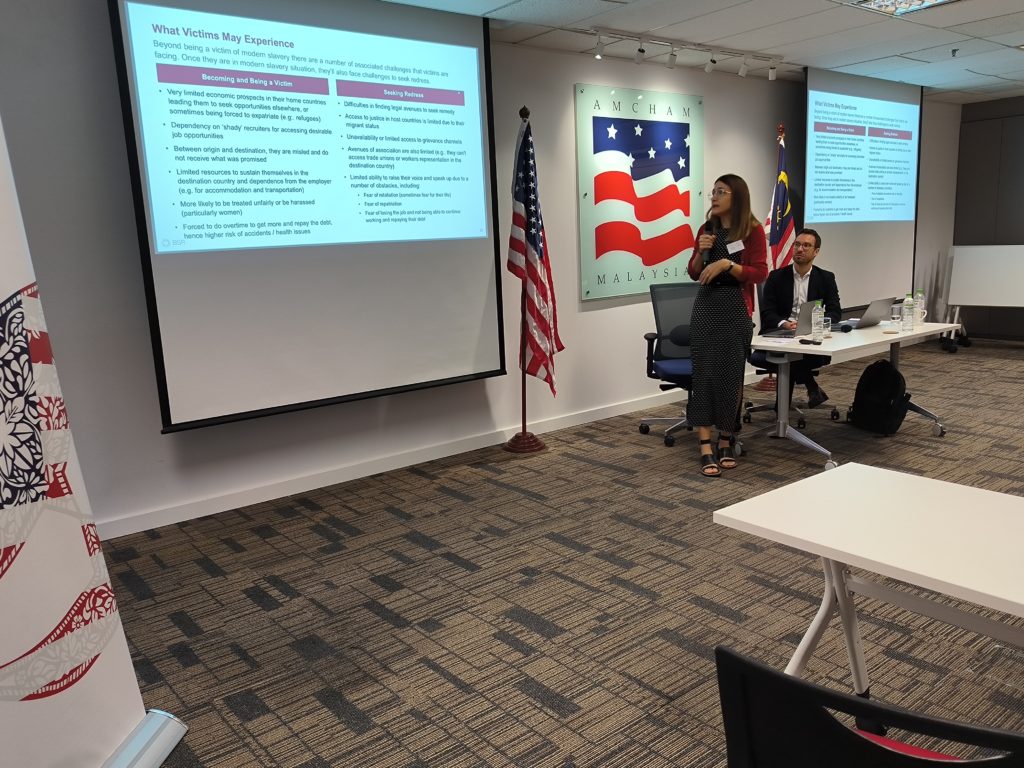
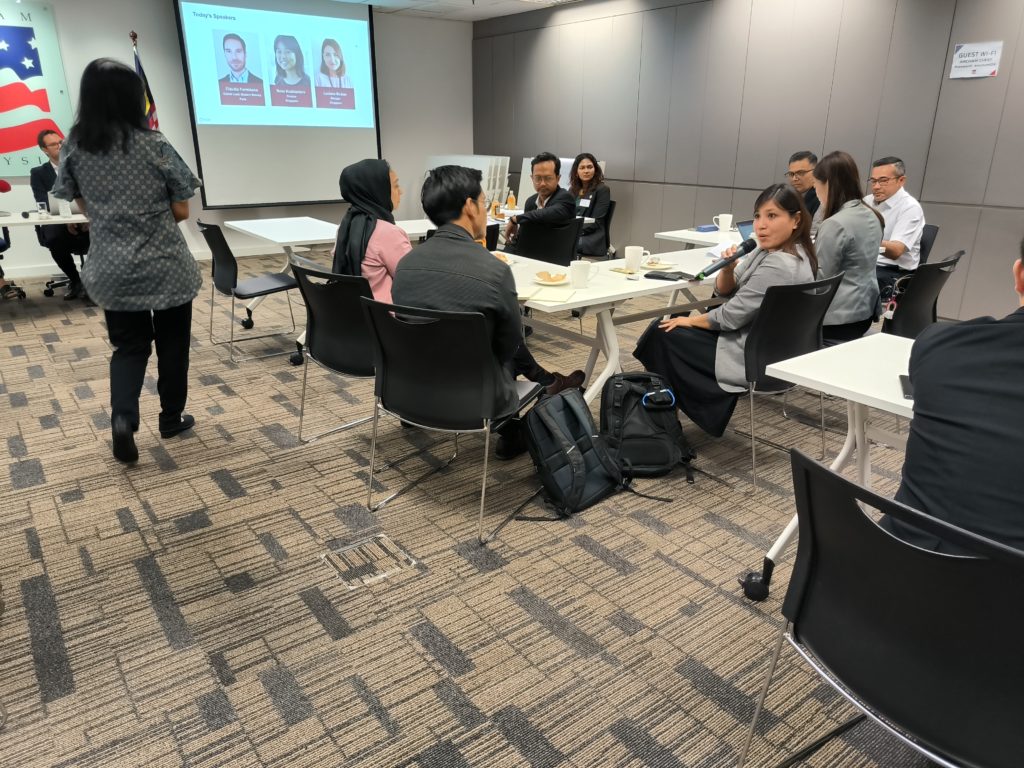
On 22 September, AMCHAM hosted representatives from BSR , a sustainable business network and consultancy organization, to present and discuss the subject of modern slavery risks in Southeast Asia and how to address and prevent it.
Rosa Kusbiantoro, Director, BSR; Claudio Formisano, Associate Director, BSR’s Global lead on modern slavery and human trafficking; and Luciana Busian, Manager at BSR, conducted the session. Speakers went over the trends, challenges and what contributes to modern slavery as well as the response from businesses.
This discussion provided the platform for attendees to raise issues and concerns that they were facing when dealing with modern slavery. Speakers also shared a few case studies of real scenarios and how they were dealt with.
Thank you to BSR for a very informative and valuable session on modern slavery.
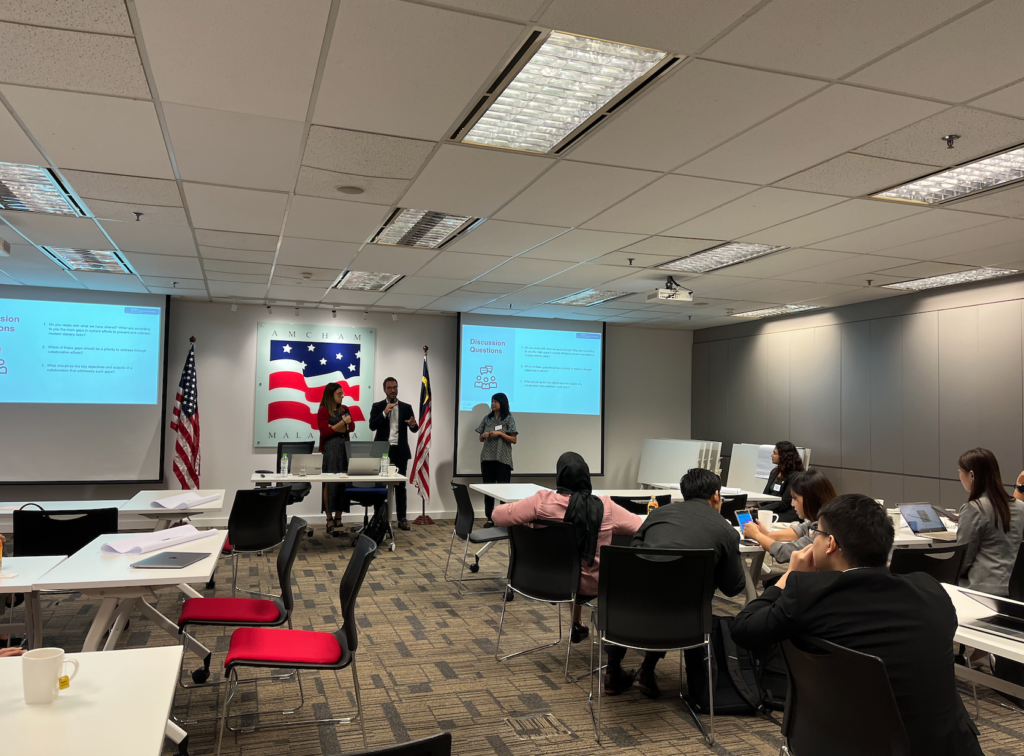
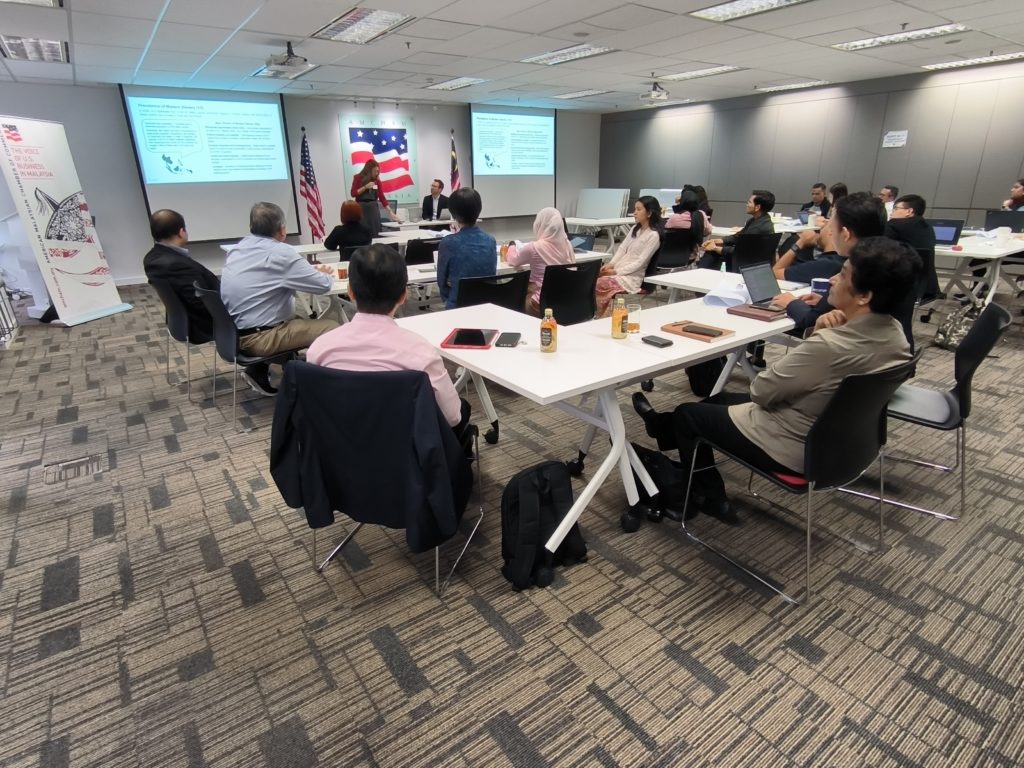
On 21 September, AMCHAM invited Brian M. Hoxie, Director, Forced Labor Division, U.S. Customs Borders Patrol (CBP) for a discussion on forced labor.
This closed-door discussion allowed for AMCHAM members to learn more about how the U.S. CBP deals with forced labor, from the enforcement methods, the actions taken under the Uyghur Forced Labor Prevention Act (UFLPA), the withhold release orders (WROs) and more. CBP also shared insights on the latest technologies for securing and managing the flow of goods.
Members were able to raise questions and concerns to the U.S. CBP. Thank you to Brian M. Hoxie for meeting with our members and providing the briefing.
On 20th September, AMCHAM had representatives from the U.S. Consumer Product Safety Commission (CPSC) over for a Product Safety Training for Furniture Suppliers in Malaysia. This session proved to be quite important for Malaysian furniture suppliers who design and manufacture furniture products for major importers located in the United States.
Guest speakers from CPSC – Steve Williams, China Program Manager; and Carolyn Manley, Southeast Asia Program Manager provided the overview on CPSC and updates of CPSC legal framework, rules and regulations for manufacturing and distributing furniture to the U.S., potential hazards and risks associated with the products and more.
Harith Ridzuan, Founder, The Green Factory, shared some industry perspectives based on his company’s best practice during an interactive session moderated by YBhg Dato Andrew Goh Boon Kim.
He then joined Azelan Ishak, Senior Deputy Director, Trade Development Division, Malaysian Timber Industry Board (MTIB) along with Steve and Carolyn for the panel discussion. This session, moderated by Ahmad Nazriq Shafaf, Assistant Manager, Lifestyle and Life Sciences, MATRADE, encompassed lessons learned, other best practices for furniture manufacturers and suppliers moving forward and the direction of the furniture industry in Malaysia. Special thanks to all of our guest speakers and presenters for their valuable insights. We look forward to hosting more knowledge-sharing events in the future with CPSC.
Click on the links below for the U.S. CPSC presentation slides and the event program booklet.

Bangkok, September 11, 2023 — Today, the American Association of the Indo-Pacific (AAIP) has released a pivotal report during the ongoing trade negotiations for the Indo-Pacific Economic Framework (IPEF) in Bangkok. The report calls on the United States and its Indo-Pacific partners to ensure the IPEF agreement commits to long-term trade and economic engagement well into the future.
Jackson Cox, the Interim President of AAIP, stated, “The United States is at a crossroads. As we realign our trade policy toward reshoring and domestic investment, the IPEF agreement offers a unique opportunity for enhanced economic engagement in the Indo-Pacific region. However, this is not a traditional trade agreement, it’s a framework for economic cooperation, and all parties need to ensure the agreement makes a principled commitment to liberalization going into the future.”
The report highlights the recent completion of the framework’s supply chain agreement and that this now has real potential to reduce the vulnerability of supply chains across the Indo-Pacific. “The supply chain agreement is a landmark development,” said Cox. “However, it’s absolutely vital that the private sector plays a strong role in the agreement’s administration. It’s the private sector that knows what works and doesn’t when moving goods across borders.”
One of the report’s key points is that an IPEF agreement lacking disciplines and norms in areas like digital trade, express shipments, and trade facilitation will not support U.S. enterprises operating in the Indo-Pacific. “Without a strong agreement, the U.S. will be at a disadvantage compared to major economies like the European Union, China, and India, who all either have or are upgrading and negotiating new agreements across the region,” Cox added.
The report also emphasizes the need for U.S. negotiators to provide IPEF partners with assurances on the agreement’s longevity beyond U.S. political changes. “For the IPEF to be a success, we must commit to futureproofing the agreement, its implementation, and secretariat functions,” said Cox.
The AAIP urges all stakeholders to consider these key points as negotiations move toward November’s meeting of APEC leaders, where the U.S. government is hoping to make major announcements on the IPEF agreement.