(Article by UNGC)
Sustainable Development Goal 10 – “Reduce inequality within and among countries” is an all-encompassing SDG on the matter of inequality. In the era of COVID-19, the jarring differences in opportunity, income, and security are becoming more apparent as the pandemic hits those less fortunate the hardest.
This is where businesses can come into play. Investing in equality within and among countries provide a wealth of returns for corporations and businesses all around. In the context of Malaysia, equality for migrant workers is significant. We have seen how the lack of social protection for migrant workers, in providing them adequate social protection and fair living quarters, has delivered a significant blow to stock prices and stakeholders’ confidence.
GCMY refers to United Nations Global Compact’s publication “Eliminating Recruitment Fees Charged to Migrant Workers” on measures to assess a company’s role, impact assessment and solutions to reducing inequality between countries in the area of labour:
1. Detection and Prevention
The primary step involves recognizing the need for fair treatment for migrant workers in the supply chain. Business partners must be informed of company expectations related to recruitment and hiring, recruitment agencies and migrant workers.
Following that, Promote direct hire of workers across the supply chain to ensure greater transparency and accountability for recruitment, hiring and other human resource functions. Where recruitment agencies are used, engage only those that are reputable, licensed by the competent authority and adhere to the highest ethical standards. Take
proactive steps to screen agencies before hiring them and establish procedures for managing and monitoring them afterwards.
2. Compensation and Resolution
In the case where violations do happen, transparent and clear steps to resolution should be provided to the migrant workers themselves. In suspected cases of debt bondage or forced labour, ensure comprehensive corrective action, providing for the full protection of the worker(s) concerned, including measures for their rehabilitation, repatriation (if desired by the worker) and their reintegration into the labour market or community, including cooperation with recognized victim service providers.
Next, engage in dialogue with the business partner associated with the wrong-doing, resolve the problem and work together to identify long-term, sustainable solutions that address root causes of fee-charging. If resolution is not possible, terminating the business relationship, though undesirable, may be considered as the final option.
3. Collective Action, Public Policy and Advocacy
We recommend companies who have adopted a sustainable framework in pushing for equality in the case of migrant workers in the supply chain to involve themselves in dialogue and discussion around the promotion of ethical recruitment.
The firm is recommended to engage in public policy dialogue with Governments and international organisations to promote better regulation of labour migration, employers and private employment agencies, and strengthen legal protections for migrant workers. Prioritize countries of operation where risks of trafficking and forced labour are high, law enforcement weak and where legal and regulatory frameworks may exacerbate the vulnerability of migrants.
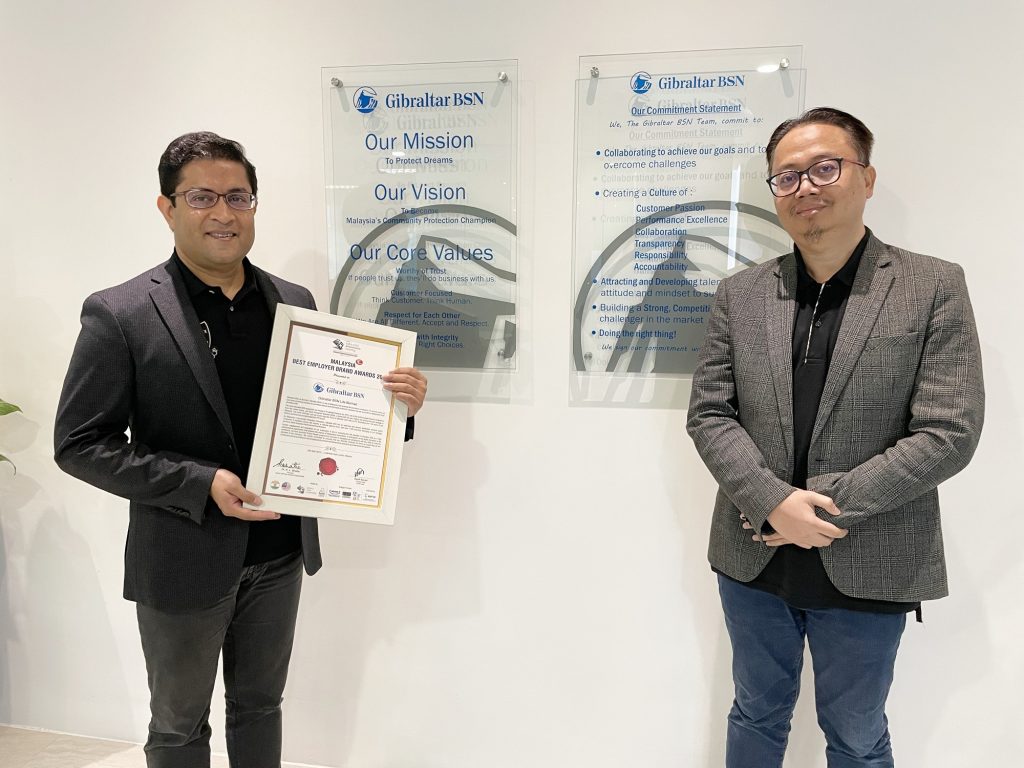
Kuala Lumpur, 23 December 2020 – Gibraltar BSN Life Berhad (“Gibraltar BSN”) today announced that it has been awarded with the distinguished ‘Malaysia Best Employer Brand Awards 2020’ for the third time by Employer Branding Institute (EBI). In tune with the times, the awards ceremony was held virtually on 15 December 2020.
Currently in its sixth edition, the Malaysia Best Employer Brand Awards recognises the best organisations that effectively utilises HR strategy and marketing communications in attracting, retaining and developing outstanding people talent. The selection of winners was based upon the assessment of three key criteria which are the translation and combination of vision with action, building a strong working relationship between HR strategies and business, and cultivating vital competencies for the future, thus future-proofing the organisation.
President and Chief Executive Officer Rangam Bir said, “We are honoured to receive this prestigious award for the third time. The recognition validates our efforts in reskilling and developing our people as we seek to build a digital-first customer driven workforce. Attracting the right talent is an essential driver to growth but we also believe in hiring the right people with the right mind-set as talent can be harnessed with the right environment to stimulate innovation and high energy. We place a high premium on developing our people.”
Talent development and the reinvigoration of corporate culture based upon customer passion, collaboration, execution excellence, and innovation is one of the strategic pillars under Gibraltar BSN’s ASCEND Transformation programme. All employees underwent rigorous training under its Future Ready Skills programme that equipped them with skills and capabilities to further accelerate the Company’s digital ambitions.
Most recently, the life insurer embarked on its annual Wellness Programme in September 2020. Unlike previous years which only focused on physical or financial wellness, this year’s programme, “A Stronger Me” covered three essential pillars of health; physical, financial and mental health, to help Gibraltar BSN’s employees become better versions of themselves. During the three-month long programme, Gibraltar BSN’s employees formed teams of four to participate in programmes designed to strengthen their fitness levels, increase financial knowledge, and improve their mental health. Realising that the prolonged pandemic situation may impact the mental health of employees, the life insurer also had mental health experts on hand to provide counselling and support to employees.
In this competitive labor market, have you even wondered if your interview method is outdated? It’s hard for you to get a quality candidate with old kind of interview questions.
But it’s worth pausing to recall that the decision to hire someone is a costly and extensive one. And since you’re compelled to make it after spending (probably) a few hours together, maximizing what you can find out about candidates in those precious few minutes becomes all the more urgent.
As candidates have a much wider choice in where they choose to work, it is vital that you consider restructuring your approach to hiring: conversational interviewing, in this competitive labor market. So, instead of asking the same sort job interview questions, start asking questions worthy of thoughtful answers.
Read more here
MEMPHIS, Tenn. December 22, 2020 – FedEx Express, a subsidiary of FedEx Corp. (NYSE: FDX) and the world’s largest express transportation company, announced today that operations are in motion to transport Moderna’s COVID-19 vaccines for McKesson Corp. throughout the United States.
Following the Food and Drug Administration’s approval of Emergency Use Authorization for the Moderna COVID-19 vaccine, FedEx Express will begin transport of the vaccine and kits of supplies for administration of the vaccine, using its FedEx Priority Overnight® service supported by FedEx Priority Alert® advanced monitoring. After months of preparation and close planning with McKesson, Operation Warp Speed and state and local officials, the COVID-19 vaccines will begin moving to dosing centers throughout the United States. FedEx continues to work closely with its healthcare customers on plans for additional vaccine shipments and the transportation of critical vaccine-related supplies.
The FedEx network began actively delivering Pfizer-BioNTech vaccine shipments across the U.S. last week. The company is set to begin vaccine shipments throughout Canada as early as next week and is also preparing to begin delivering vaccines to other countries. FedEx is well-positioned to handle COVID-19 vaccine shipments around the world with temperature-control solutions, near real-time monitoring capabilities, and a dedicated healthcare team to support the express transportation of vaccines and bioscience shipments.
“The shipment of vaccines to help end the COVID-19 pandemic is among the most important work in the history of FedEx, and our team is focused on the safe and efficient delivery of these critical shipments,” said Raj Subramaniam, president and chief operating officer, FedEx Corp. “As we have said since the onset of the pandemic and our relief efforts, this is who we are and what we do.”
Transportation of COVID-19 vaccines is the next phase of ongoing FedEx efforts to support pandemic relief around the world. FedEx has a long history of supporting relief efforts when disasters strike, using its network and expertise to deliver for good.
“The FedEx team and network are uniquely positioned to deliver on this mission in the U.S. and around the world,” said Don Colleran, president and chief executive officer, FedEx Express. “The transportation of vaccines continues our ongoing work since the beginning of the pandemic to keep critical supply chains operating, meet the increased demands for residential delivery and deliver more than 9,600 humanitarian aid shipments around the globe.”
To help reach underserved communities with the COVID-19 vaccine, FedEx has committed $4 million in cash and in-kind transportation support to several nonprofits serving communities in the U.S. and around the world. These include Direct Relief, International Medical Corps, and Heart to Heart International.
“FedEx Express has deep relationships and decades of experience delivering for our healthcare customers,” said Richard W. Smith, regional president of the Americas and executive vice president of global support, FedEx Express. “Our service and network were built for this moment. Coupled with our investments in advanced technology, we are ready to support McKesson and Moderna in this historic effort to help end the pandemic.”
With the extension of the Conditional Movement Control Order (CMCO), an updated version of the SOPs has been issued. Updates cover the restriction on movement from Green Zone to Red Zone, mandatory wearing of masks in congested areasMICE (Meetings, Incentives, Conventions and Exhibitions), and Tourist and Cultural activities.
Read More:
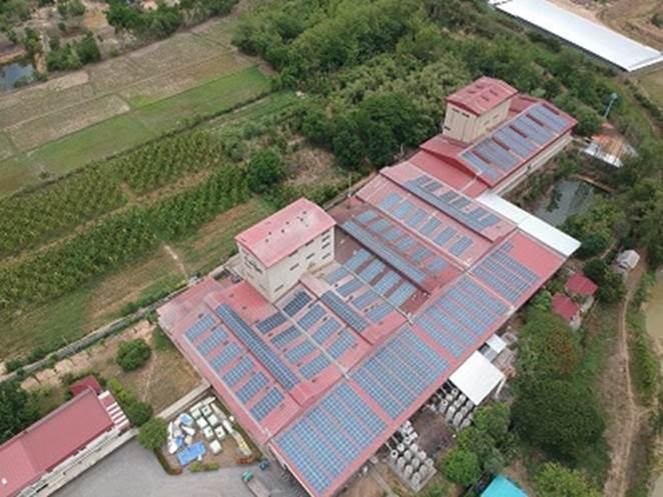
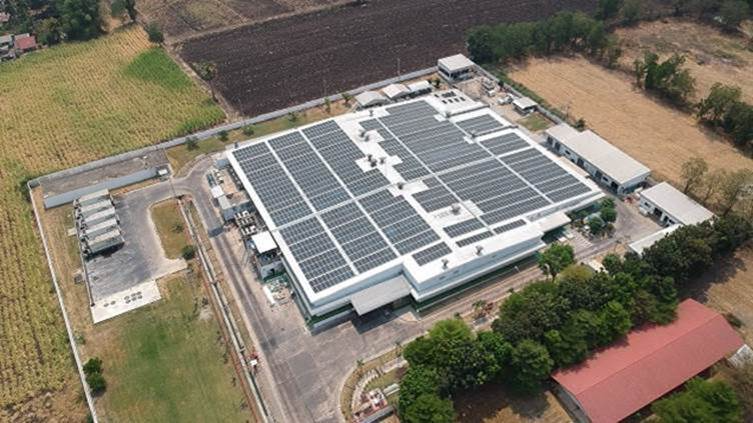
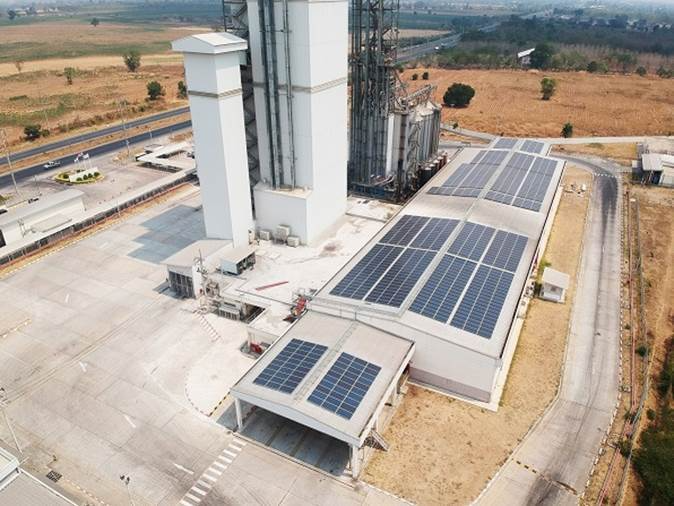
Cleantech Solar has announced the completion of four rooftop solar PV systems at Cargill sites across Thailand under long-term agreements where Cleantech Solar has funded, built, and will operate and maintain the systems. The solar power plants have a combined generating capacity of 2.4 MW and are located in different locations in Lopburi, Korat and Phetchaburi.
The four operating sites are expected to generate over 3,000 MWh of clean electricity in a year which is equivalent to reducing 1,750 tonnes of CO2, representing perceptible efforts by Cargill to cut down greenhouse gas emissions from its operations globally.
Southeast Asia’s growth in electricity demand has been one of the fastest in the world and there is substantial potential for the adoption of renewable energy in the region. To meet the rising electricity demand with affordable, reliable and sustainable sources, Thailand has set a target to increase the use of renewables to 30% of the country’s overall energy consumption by 2036. The new sites will add on to Cleantech Solar’s portfolio of operating solar power plants in Thailand, which have since generated over 35 GWh of clean electricity, enough to power 17,500 Thai households per year.
Cargill’s move to adopt solar in Thailand is in line with its science-based global commitment to reduce Scope 1 and 2 greenhouse emissions by 10% by 2025, measured against a 2017 baseline.
Watcharapon Prasopkiatpoka, Cargill’s Country Representative for Thailand, said:
“Cargill supports global actions to mitigate climate change by constantly pursuing emission-reducing technologies to minimize carbon footprint. Cleantech Solar has proven its capabilities in its field to power its customer’s operations with full turnkey renewable and reliable solar solutions. We are pleased with the project’s success and its contributions to Cargill’s global sustainability targets.”
“On top of the benefits these operating solar power plants provide to Cargill’s operations and the environment, they will also provide economic benefits in the form of cheaper-than-grid electricity. Cleantech Solar is pleased to be supporting Cargill’s commitment as its trusted partner to help the company build a stronger, sustainable future for food and agriculture,” said Raju Shukla, Cleantech Solar Founder and Executive Chairman.