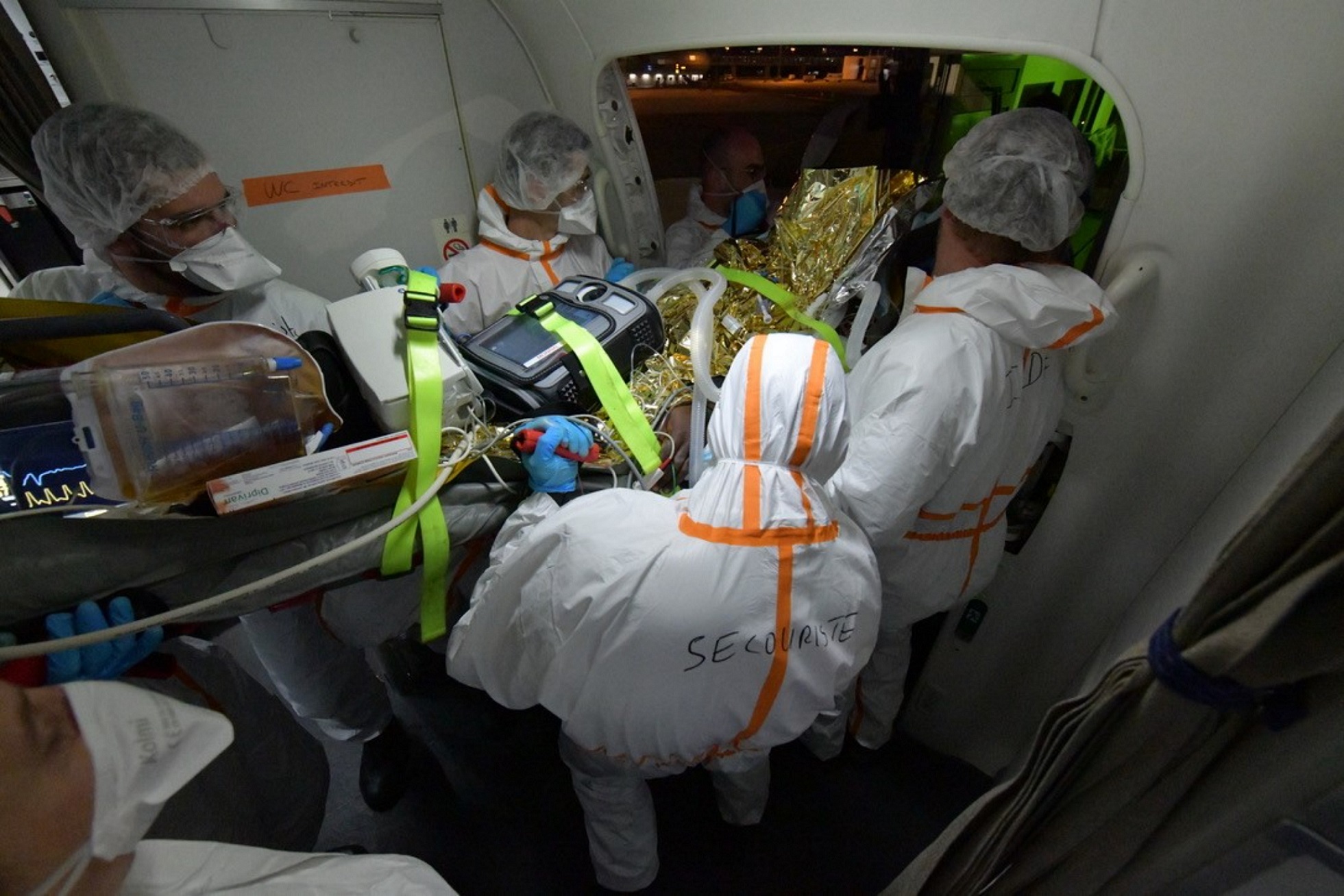
Kuala Lumpur, 15 March 2021 – International SOS recently coordinated a highly complex evacuation of four ICU patients, repatriating the individuals from La Réunion island to Paris. The operation was commissioned by the French Ministry of Health and carried out in collaboration with the Service d’Aide Médicale Urgente (SAMU), the emergency medical services in France, the Regional Health Agency, Air Austral and Aéroports de Paris. This is the first time that so many ICU COVID-19 patients have been transported simultaneously on such a long-haul flight.
Elaborating on the successful evacuation, David Ng, Managing Director, Malaysia & Myanmar, International SOS, shared, “This evacuation was another important milestone for International SOS, this valuable experience enables us to help organisations in Malaysia and Southeast Asia should a similar situation arise. That said, with close to 25 years of operation in Malaysia, we have also successfully conducted many evacuations for Malaysian corporates and international companies in the country. Most recently, we completed a repatriation mission for a company from South Sudan to Malaysia, and used the same flight to fly employees returning back to Sudan. We also safely evacuated a patient for a Chinese conglomerate from Malaysia to China during the COVID-19 pandemic.”
“Both situations were tricky due to the limitations posed by the COVID-19 pandemic, such as international travel restrictions and limited transportation options, but in both cases, we were able to leverage our assistance network capabilities and the strong relationships built with network providers. As a result of this, we managed to accomplish these complex and challenging missions in a timely, safe, and cost-effective manner. Our highly experienced and dedicated team did not just fulfil its promise to deliver on time, but also assisted our clients with cost-savings and ensuring their employees returned home safely,” David Ng added.
In relation to the world’s first multiple patient COVID-19 intensive care evacuation, Dr Arnaud Derossi, Regional Medical Director at International SOS, explained, “Transporting one or two seriously ill patients is part of everyday life. This particular situation was highly unique and even more complex, with all four patients in an unconscious and intubated-ventilated condition. Medical evacuations, particularly during the pandemic, are complex but this was even more so, requiring an even greater level of care and coordination. We were honoured to be called on for our expertise and proud to be part of the team that was able to transport the patients safely,”
Evacuation details
The chartered Air Austral Boeing 787 took off from Réunion Island at 9:33 p.m. local time (6:33 p.m. Paris time) and landed at Paris Charles-de-Gaulle airport on Friday 5 March 2021 at 5:15am local time, after an eleven-hour flight. A civil aviation exemption had been necessary to allow Air Austral to embark so many patients on stretchers and such a high volume of oxygen.
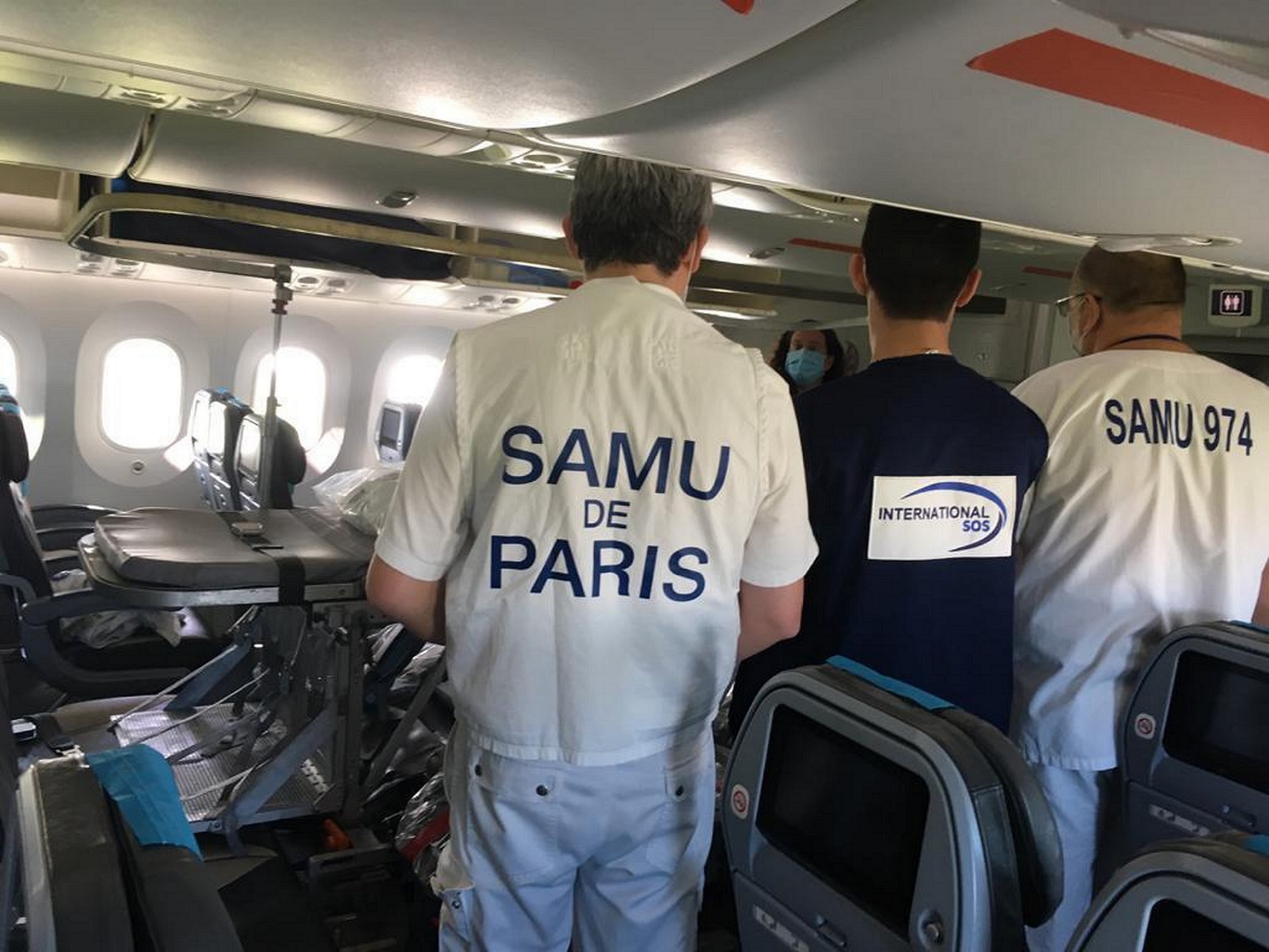
The mission was staffed by the SAMU from Paris and La Réunion, with 5 ICU doctors, 5 ICU nurses, 7 EMTs and 1 logistician, while International SOS provided a flight nurse and a logistics expert for supporting the various teams and interfacing with the aircraft crew and the International SOS Paris assistance center.
The International SOS Assistance Center’s role was to interface with the various SAMUs, the airport and the aircraft, under supervision by the Health Ministry crisis center, planning for and managing all requirements. Also, a critical aspect was to be able to quickly react in case of the aircraft diversion due to a technical incident, in order to prepare ground support for the patients. Due to the severity of the disease, advanced equipment was loaded and installed on the aircraft such as portable blood analysers, ultrasound machine and 2 ECMO machines (Extracorporeal Membrane Oxygenation), as well as backup ventilators. This represented one ton of medical equipment, along with 9,500 litres of oxygen for each patient.
We have been forced to alter the way we live and work in the wake of the many lockdowns and disruptions borne of the COVID-19 pandemic. While this is no doubt a problem, it also presents the opportunity for growth and development. This is an opportunity that shouldn’t be ignored in order to stay relevant and keep up with the rapidly shifting social and professional landscapes. Certain qualities and traits have come into focus and certain skills have gained prominence during the course of the pandemic that have shifted the key and desired qualities in leaders. To continue to thrive in the “new normal,” it is important to use our time to develop, master and sustain new leadership behaviors and mindsets.
On 12 March, AMCHAM held a virtual, but practical, masterclass for both emerging and established leaders to recognize, discover and learn what else can be done to elevate their leadership mindset into that of a SEE-19© Leader; a phrase coined by our two speakers, co-authors of “The Rise of SEE-19© Leadership: See Beyond and Become the Leader You Are Born To Be.”
Leading the masterclass was Kavita Satwalekar, Leadership Coach, Mentor and Author at Inner Sense Consulting, and Gail Gibson, Master Performance Coach, Author and Speaker, two inspirational coaches who work with leaders across the US, UK and Asia. Although the session was condensed to an hour, both Kavita and Gail kept the informative and insightful session active and lively by engaging participants with interactive discussions and activities.
A special thanks to both of our coaches for leading this masterclass and thank you to Lam Research for sponsoring the event.
In this unprecedented era in which environmental cleaning has become a global priority, it is imperative to use the right cleaning tool in the market. A tool that is effective, efficient, and evidence-based organic cleaning solution that has been demonstrated across a range of settings.
In the United States, there is an old adage used at the beginning “You get what you pay for” and sure enough this also applies in the disinfection world.
In this great country Malaysia, one would see many Sanitization or Disinfectant companies popping up here and there; offering the cheapest liquid or spray solution just to get a quick contract and easing the public’s mind BUT do you know the harmful effects of these liquid solutions??
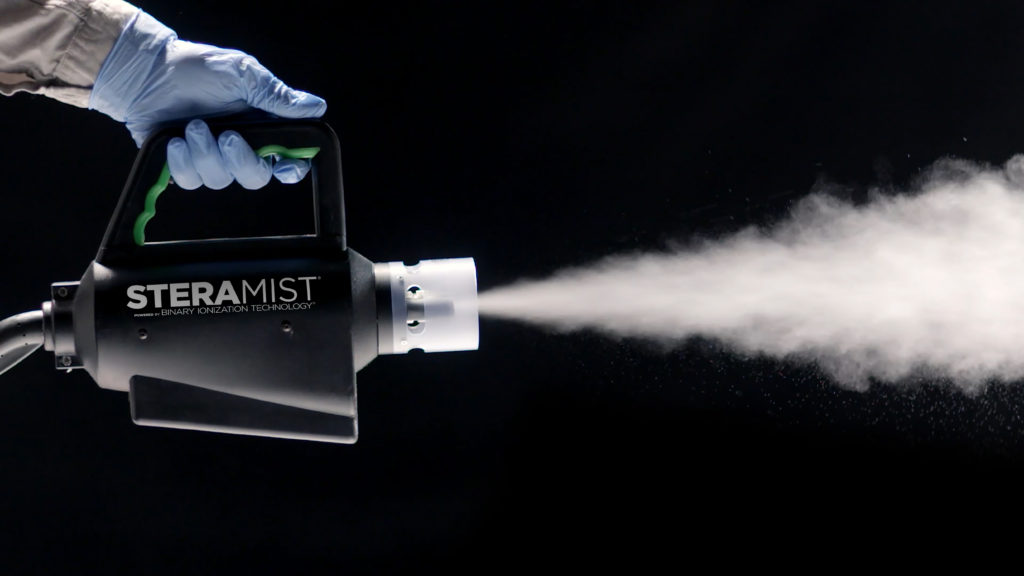
So, why is there excessive global use of these disinfectant liquids or spray solutions?? Some even applied with the use of electrostatic sprayers? Well, it’s the COST. Overall, they are initially less expensive, less effective, and may be in violation of government registrations especially in the United States due to the solutions used in the sprayers. Electrostatic sprayers are not qualitatively and quantitatively tested with their solution, nor registered in combination with the US Environmental Protection Agency (EPA). Furthermore, the electrostatic sprayer’s solution is extremely corrosive to the surfaces that it touches, degrading furniture fabrics, and frames, creating deterioration of metals, and fraying carpets and fabrics.
“In life, one gets what one pays for, so don’t ever expect to get the best for less.”
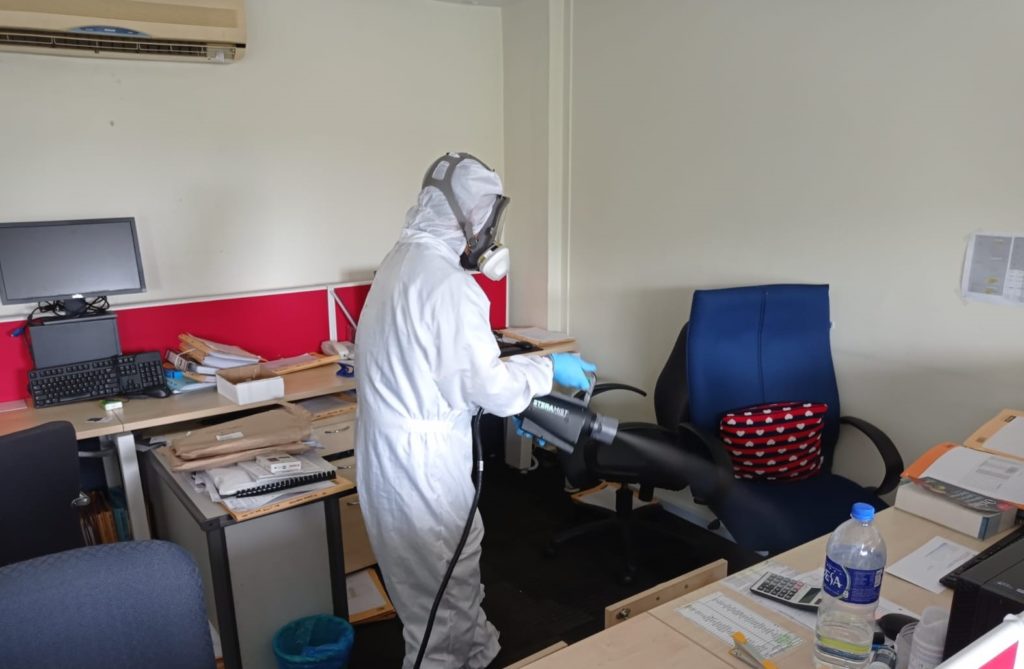
Here are the facts:
Electrostatic sprayers use many different solution products. For example, with different operational requirements: Clorox 360 needs a wet contact time of 5 minutes for its main ingredient, Tetrasodium EDTA (made from formaldehyde), which degrades slowly, making it a poor choice for environmental health, and that is without mentioning the two quaternary
ammonia products it contains. This product should never be sprayed on electronics, wiping is recommended after it dries, and features microns greater than 40 microns. After all of that, you just get a 3-log kill (99.9%).
Quaternary ammonia products, which are very common US EPA registered disinfectants, have NO efficacy studies. This results in NO proof that an electrostatic sprayer using quaternary ammonium disinfectants can ensure proper efficacy on the surface or that the US EPA product is even compatible with the sprayer. The sprayer may not be spraying enough chemical to the surface to kill the virus or bacteria; however, it is enough to destroy the objects you are spraying over time, within 6 months or sooner.
Chlorine dioxide can be sporicidal in the gas form; however, the gas is unstable, toxic, and very explosive. In a liquid/tablet, buyer beware, as per the US Food & Drug Administration (FDA) and US Federal Trade Commission (FTC), many products are misleading. Some work as sanitizers and disinfectants with a long-wet contact time, and depending on concentration, is usually corrosive to steel. A white solid tablet of chlorine dioxide is considered by the United States as a 3 for health and a 2 as a physical hazard on a scale of 0 – 4. 0 is minimal and 4 is significant hazard. Again, the electrostatic sprayer may not be spraying enough material to the surface to kill a virus or bacteria but may be enough to destroy the objects you are spraying over time, within 6 months or sooner.
Vital oxide, composed of 0.200% chlorine dioxide, is less caustic and only achieves a 3-log kill (99.9%) unless fogged in a chamber using parts per millions in the thousands. It has a wet contact time of 10 minutes and is not to be applied to sensitive equipment. Additionally, it is also composed of multiple quaternary compounds and has been reported to cause asthma in healthcare workers when fogged or aerosolized.
Similar to quaternary ammonium products, when chemicals such as chlorine dioxide are used in an electrostatic sprayer, due to the large micron (40-120 microns), the surface-treated does not receive the same amount of active ingredients per unit area. As a result, the level of efficacy achieved may be lower than the 3-log kill (99.9%) claimed on the solution label, yet enough to destroy your property.
Purtabs (NaDCC, sodium dichloroisocyanurate), a disinfectant that is a free form of chlorine – a diluted tablet is placed in an electrostatic sprayer and the surface is kept wet for 4 minutes. Try to prove efficacy by delivering 4300+ parts per minute to the surface as needed? This has not been validated. One cannot use this on equipment and/or metals. Try this for 3 – 6 months and check your fabrics and furniture finishes.
E-mist an electrostatic sprayer with its large 85-micron droplet. Protexus (using destructive Purtabs), Victory Backpacks, and Fog master all use a smorgasbord of disinfectant products. All of the above discussions apply regarding corrosiveness, potential illegality depending on the product you use in the pesticide fogger, and most importantly, deterioration of fabrics, carpets, electronics, and furniture finishes.
Another misleading trend in this unique COVID-19 timeframe is applying bio-static surface protectants. These are Quaternary Ammonium Compound containing 3 (trimethoxysilyl) propyl dimethyl octadecyl ammonium chloride. This compound is similar to that which is found in vital oxide but has an additional added silane as a coupling agent. All of these products are QAC- based (Quad Ammonia Compounds).
The method in which biostatic surface protectant works in order for proper efficacy: First, treated surfaces must be cleaned. Then, the treated surface must be allowed to dry at optimal temperatures to ensure complete condensation of silanol groups and remove the water, solvents, and traces of methanol from hydrolysis.
Acute toxicity data for a 50% formulation of 3-(trimethoxysilyl) propyl dimethyl octadecyl ammonium chloride (Dow Corning 5700) show low acute toxicity for single exposures by the oral, dermal, and inhalation routes. However, severe acute toxicity is observed with respect to skin and eye irritation of this active ingredient over repeated touches. Many biostatic surface protectant products should be used with a pump spray, not an electrostatic spray.
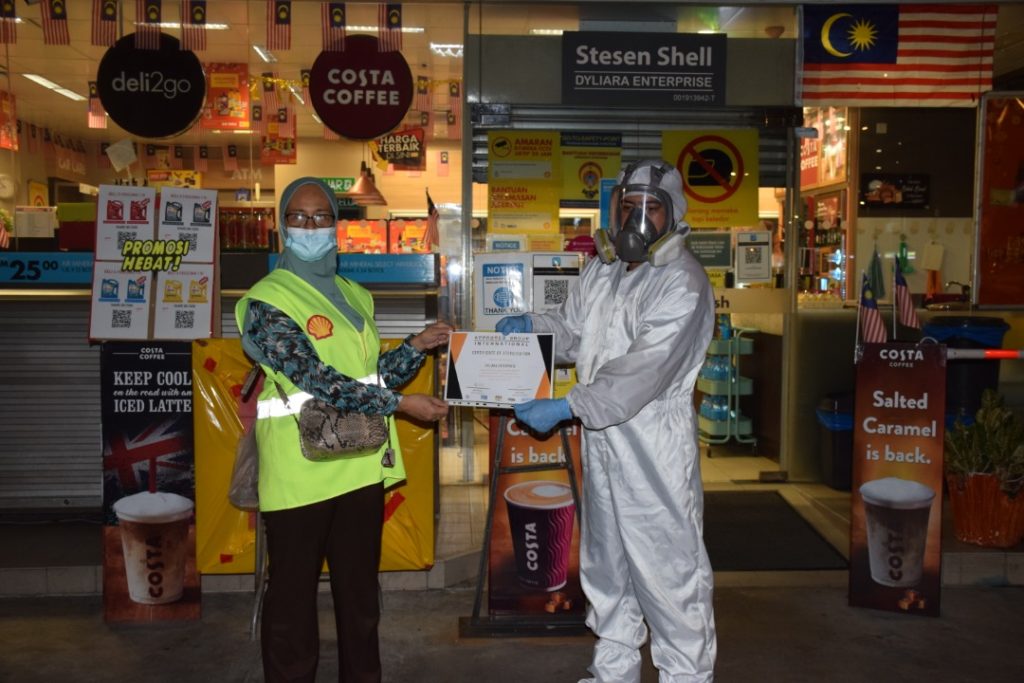
Why use these products? It’s a simple question: Do you pay now or regret later?
Logic should tell you that leaving surfaces wet for any period of time – especially 4 to 10 minutes – will lead to the damage or destruction of those areas. Are these liquids and disinfectant products really addressing the biggest issue? During a pandemic, it’s important to disinfect all surfaces, high-touch areas, all equipment, and to do so in an efficient, effective, and quick manner. If the efficacy is a lower standard and does not hit all surfaces, are you really protecting your company or your client?
The electrostatic sprayer was created decades ago for paint spraying and indoor/outdoor mosquito and fly control, but it has surfaced as an inexpensive way to disinfect businesses and homes during this pandemic. There are hundreds of companies that claim to be experts in the disinfection industry utilizing these methods, so buyers beware!!
So next time if you are looking for the “cheapest” solution, make sure to weigh the longer-term effects: Efficacy, labor hours to disinfect, corrosion to materials, equipment, and technology, and most importantly, the harmful effects to the team performing the services.
This is where “an ounce of prevention is worth a pound of cure”.
1. Expatriate teachers are allowed to leave Malaysia for summer break and return to Malaysia thereafter;
2. The validity of the exit and return approval is ninety (90) days from the issuance of the approval letter by the immigration Department;
3. For those who wish to stay outside of Malaysia for more than 90 days, the employer is to apply, separately, for:
a. approval to exit (before leaving Malaysia); and
b. approval to enter (before returning to Malaysia)
4. The application for exit and entry can be submitted through the MYEntry system.
The COVID-19 pandemic may have caused an acceleration in the digital revolution, but how has it changed the space for and role of women?
Putting a spin on the UN’s theme for this year’s International Women’s Day, “Women in leadership: Achieving an equal future in a COVID-19 world,” AMCHAM International Women’s Day program, sponsored by Lam Research, focused on the role and opportunities for women in a digital world, spurred on by the COVID-19 pandemic. The half-day program was filled with thoughtful, insightful, and passionate discussions through a variety of sessions from presenters, key speakers, panelists, and even the audience in the chat.
Elizabeth Silva, Assistant Director for Women’s Empowerment and Gender Equality at The Asia Foundation, kicked off the day by showcasing the status of women in the workforce before and after the onset of the pandemic. While there was a lot of positive growth, there’s still much to be worked on. Her presentation not only provided numbers and facts, but also practical recommendations for creating an enabling environment for women in the workplace now and moving forward.
Elizabeth was neatly followed by Sabina Dewan, Founder & Executive Director of JustJobs Network, with her presentation on the potential of ASEAN’s Digital Transformation and how women can ride that transformation. She also gave insight into how exactly the ways that technology and the digital landscape have impacted the working environment for women, as well as what can and should be done to develop with this landscape.
The two presentations set us up for our main panel discussion titled after our program: “The Opportunities for Women in a Digitized World.” Sabina stayed on, joined by Aiza Azreen Ahmad, Chief Digital Business Officer at MDEC, and Antony Lee, Chief Executive Officer at AIG Malaysia Insurance Berhad, with Kavita Satwalekar, Author, Wellness Expert, Founder & Life Coach at Inner Sense Consulting, moderating. The discussion went deeper into the subject of the impact on women due to the accelerated digital landscape, the effects on work and life, and the importance of trust going forward. All of our panelists shared personal anecdotes, achievements, and what they are doing within their businesses and industries to support and uplift women in the workplace.
The final session of the day featured Jacqui Barrat, Founder and CEO of Salt, along with Soon K. Kuek, General Manager and Senior Director of Lam Manufacturing Malaysia, and Siobhan Das, CEO of AMCHAM. Their conversation centred around the barriers women face in aspects such as the job recruitment process and promotions at work, and what changes and how to begin making them in an organization would aid in closing the gender gap in the workforce.
Overall it was a very successful event with over 100 attendees and audience participation. Special thanks to Lam Manufacturing Malaysia for sponsoring this event, and all of our guest speakers and attendees for making this event a success.
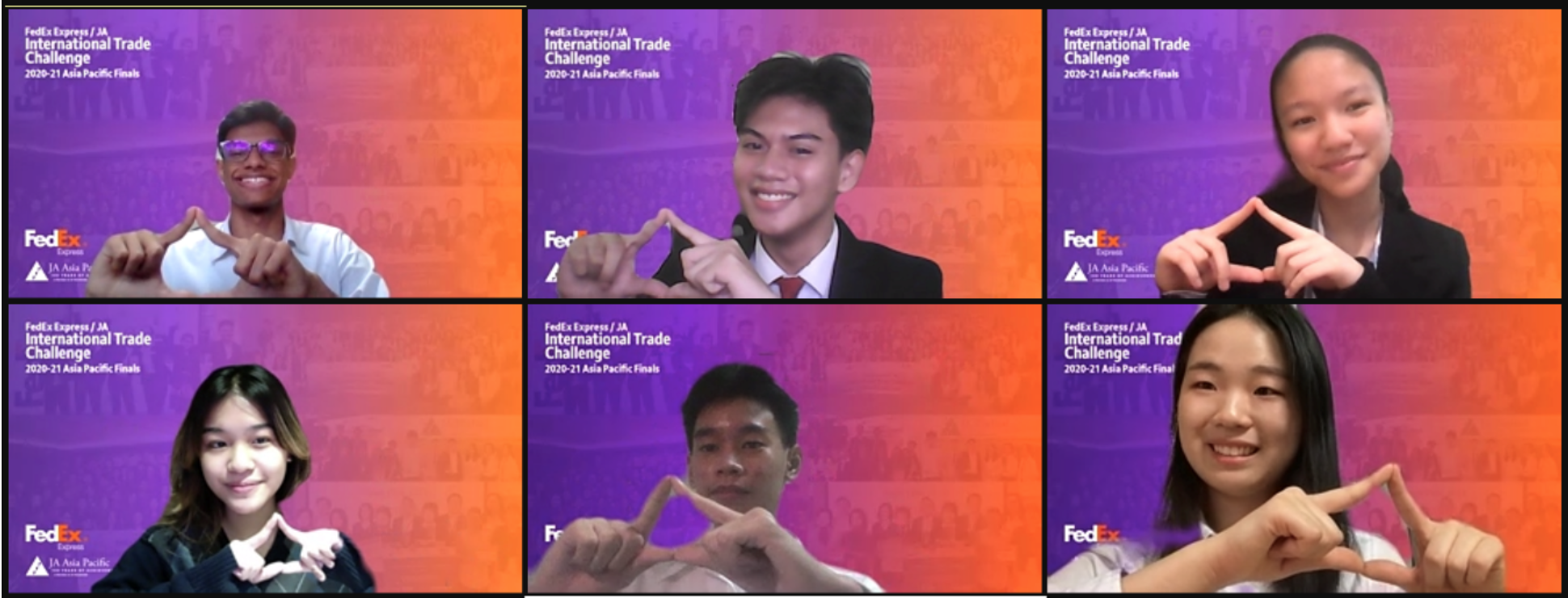
Hong Kong SAR, China, Mar 8, 2021 — FedEx Express, a subsidiary of FedEx Corp. (NYSE: FDX) and one of the world’s largest express transportation companies, together with Junior Achievement (JA) Asia Pacific, announced the student winners of the 2020-2021 edition of its annual FedEx Express / JA International Trade Challenge (ITC) Asia Pacific Competition. The students presented their ideas during three days of intense competition in front of a panel of the region’s business leaders. This year, student teams of two were tasked with creating a market entry strategy for a mental wellbeing product in South Africa. The winning team was The Breakfast Club comprising Chloe Jazzy Lau from Hong Kong SAR and Aljo Benedicto from the Philippines for their idea to create a biometrics sensor powered by a smart app to detect anxiety attacks.
The winners won out of a group of 52 high school student finalists representing nine Asia Pacific markets (Mainland China, Hong Kong, Japan, Malaysia, the Philippines, Singapore, South Korea, Thailand and Vietnam) competing in the event. The FedEx / JA ITC competition was held entirely virtually for the first time in its 14-year history due to the ongoing pandemic. The finalists had already won through local market competitions fending off more than 2,900 other aspiring student innovators.
“We are both honored to be named the winners of the competition. It’s so exciting! Every stage of the competition has been a fantastic challenge for us, especially in the finals. All of the ideas were so strong and we learnt volumes from this experience,” said The Breakfast Club team members. “We really feel inspired to follow a career in business right now.”
Team Lumos comprising Sakthivell Ahrumugam from Singapore and Chaeyoon Park from South Korea were named first runners-up for their idea of a smart-bike that helps track the user’s mental wellbeing.
The Viennese Medicos comprising Raine Santiago Nakpil from the Philippines and Theethad Thipsoda from Thailand were second runners-up. Their idea was a smart lamp with a sleep monitoring function.
“The creativity and enthusiasm that the students have shown during the competition is truly inspiring. Each team demonstrated innovative thinking to solving real world business challenges all of which are directly applicable to the post-COVID world,” said Kawal Preet, president, Asia, Middle East and Africa (AMEA) region, FedEx Express. “As a supporter of youth entrepreneurship and a proponent of small businesses in Asia Pacific, we believe that empowering the next generation will help the region prepare for what’s next and help bring the global marketplace to our doorstep.”
“I am very grateful that in the face of a global pandemic we were able to once again provide a stage for our students and complete another very successful iteration of the ITC competition, doing so virtually for the first time ever” said Maziar Sabet, President and CEO of JA Asia Pacific. “Our students showed a great deal of resilience and remained undaunted by the changes posed by a virtual format. Entrepreneurship is about leadership, and our ITC participants displayed it in abundance!”
The FedEx Express / JA International Trade Challenge program is jointly organized by FedEx Express and JA Asia Pacific, a member of JA Worldwide. More information about the program can be found here. In addition to supporting young entrepreneurs through JA ITC, FedEx Express is an advocate for and supporter of small-and-medium-enterprises (SMEs) around the Asia Pacific region.
Judges of the competition were impressed by the organization of the virtual competition and the efforts made by the students. “Despite the challenges presented in a virtual format, the event was very well organized and was filled with passionate young adults from almost every country in Asia with concrete business plans that aimed to solve a specific social problem. Congratulations!” Darius Yuen, Founder, Zhong Yi Investment Managers.
“It was really good to see these aspiring young entrepreneurs rise up to the occasion pitching digitally, full of commitment regardless of the global pandemic. This bodes well for our Asia Pacific region with such talented youngsters bringing our nations forward.” Naysan Munusamy, Co-Founder, MoneyMatch.
“I am really impressed with the output of all the student participants. Despite the virtual format and limited time for their activities and interactions, they were able to come up with a good product and market entry strategy. I am looking forward to seeing these aspiring entrepreneurs do well once they decide to pursue their goals.” Neptune Factor, Founder and CEO, ECFulfill Inc.
“You are never too young to start your own business. So, start now! There is nothing you will learn more from than by building your own business. The learning experience is valuable for the rest of your life, no matter if your business ends ups being a success or not.”Robin Teurlings, CEO, The Startup Buddy.