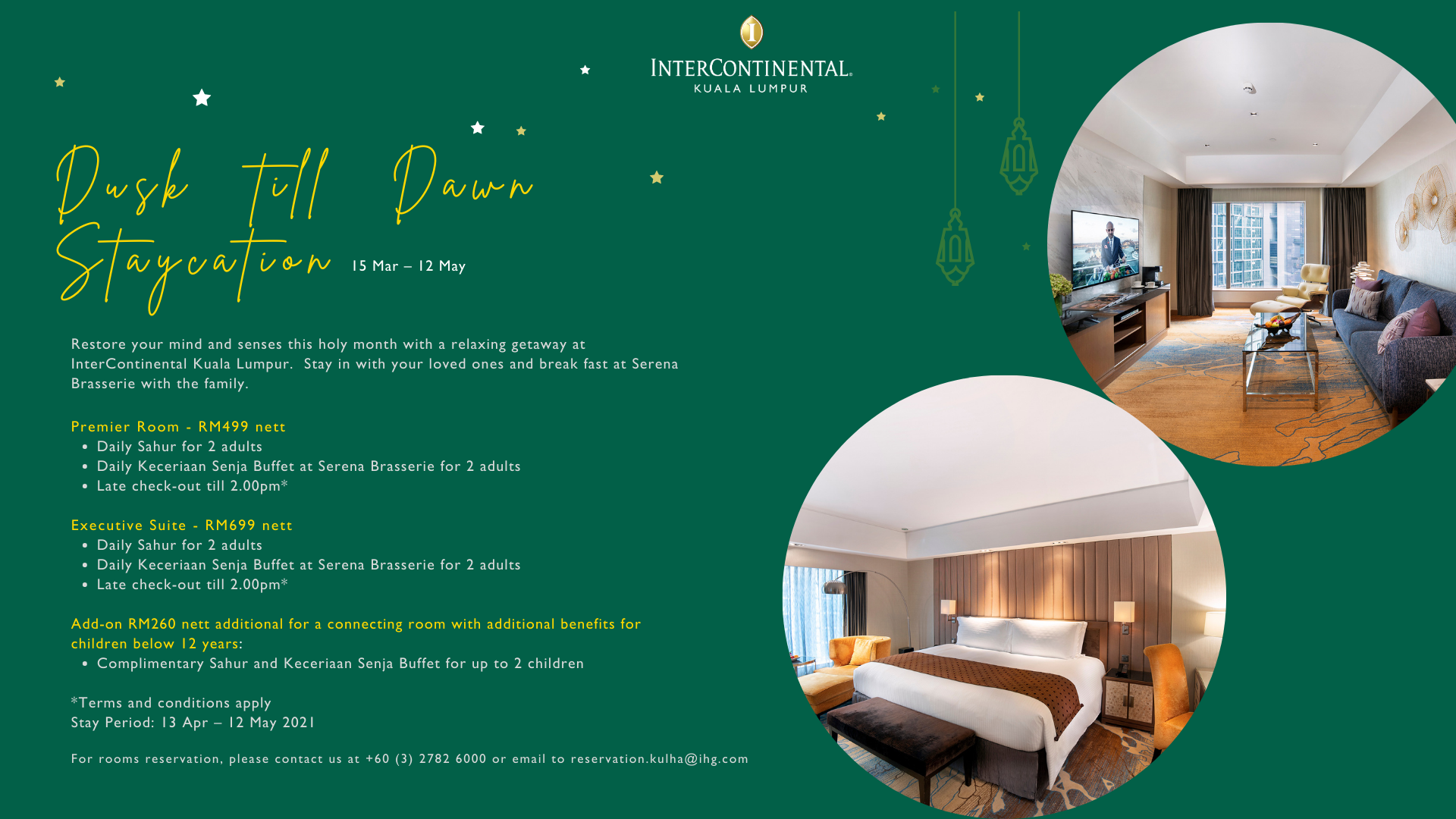
Four Seasons Hotel Kuala Lumpur presents 3 special promos. Special rates extended exclusively for AMCHAM members.



On 18 March, Datuk Seri Mohamed Azmin Ali, Senior Minister of International Trade and Industry (MITI) announced the Safe@Work initiative. This initiative is meant to allow for continuity of operations of those in the manufacturing sector affected by COVID-19 infections by developing a safe work bubble. With this, a set of FAQs have been released.
EY has released its Special Tax Alert No. 2/2021. This issue focuses on the Strategic Programme to Empower the People and Economy (PEMERKASA), covering:
- Additional deduction for expenditure incurred on rental of premises and workers’ dormitories
- Double deduction for COVID-19 screening costs
- Expansion of scope of tax relief for domestic travel expenditure
- HRDF levy exemption
- Excise duty exemption on locally assembled motorcycles under the TEKUN Mobilepreneur programme
- Extension of service tax and tourism tax exemption on accommodation premises
- Entertainment duty exemption on entrance fee within the Federal Territories
- Enhancement of the National Authorised Economic Operator (AEO) facility
- Extension of Wage Subsidy Programme 3.0
- Other incentives for tourism and other affected industries
Taxes and audits are among the least favorite words in any organization. On top of the challenges brought about by rapidly changing tax compliance obligations, organizations also have to face and manage tax disputes with the revenue authorities. Non-compliance is very costly and being prepared ahead of time is critical to meeting the demands and tackling the issues that arise with tax audits and investigations.
On 18 March, AMCHAM, in collaboration with the British Malaysian Chamber of Commerce Berhad (BMCC), held a webinar, “Navigating Through Tax Audits.” Five subject matter experts were brought together to provide insights and practical considerations on how organizations can be better prepared for tax audits and investigations.
We were thrilled to have Amarjeet Singh, Asean and Malaysia Tax Leader at EY; Senthuran Elalingam, Indirect Tax Partner at Deloitte; Tai Lai Kok, Head of Tax at KPMG; Vijey Krishnan, Partner at Raja, Darryl & Loh; and Anushia Soosaipillai, Partner at PwC as our guest speakers.
Our experts discussed a range of topics, including but not limited to: transfer pricing, corporate tax, indirect tax, best practices from neighboring countries, and a tax lawyer’s perspective and advice on navigating through tax audits. Special thanks to all our guest speakers as well as BMCC. We look forward to more collaborations like these in the future.
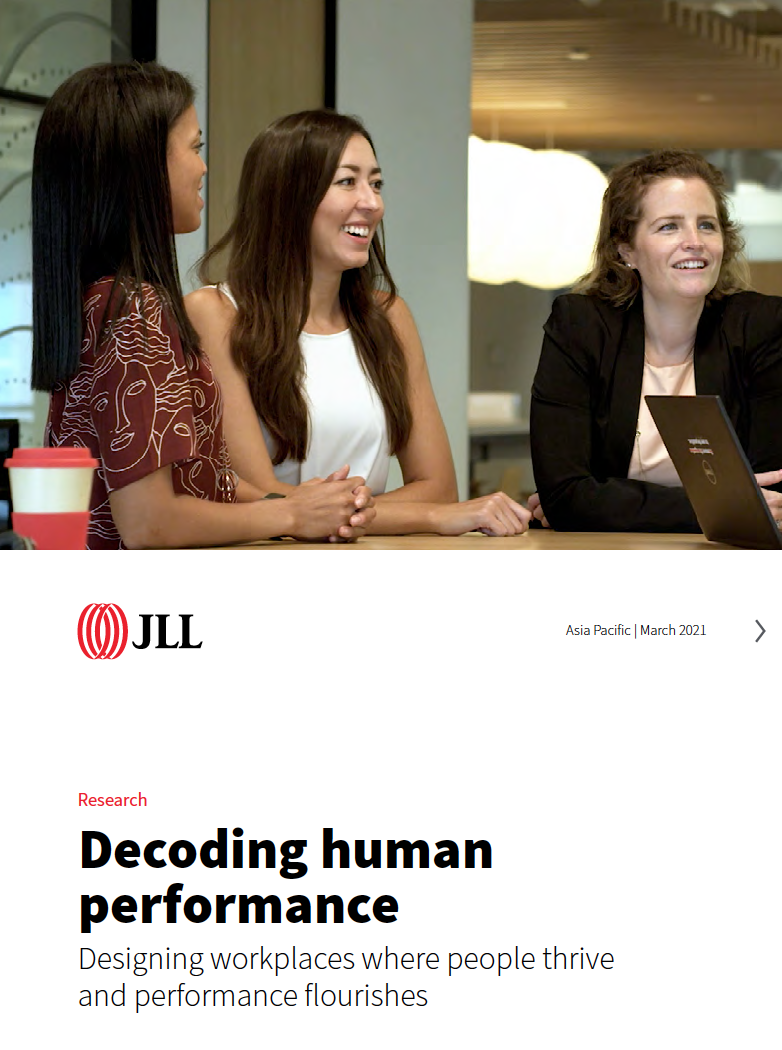
KUALA LUMPUR, 15 March 2021 – JLL has unveiled the Human Performance Indicator (HPI), a new formula that gives a comprehensive view of how different aspects of the workplace such as spaces, technology and culture combine to elevate human performance.
The Asia Pacific HPI results, based on a study of 1,500 employees in five countries across the region, found that ‘High Performers’ – meaning those that have access to high impact work environment – thrive in a hybrid work model enabled by a wide range of sophisticated spaces, technology tools and work practices.
Seven in 10 High Performers practise flexible work, including flexible hours and work-from-home, in comparison to only 34% of Low Performers. Low performers are those who felt that they did not have access to a work environment with collaborative spaces, sophisticated technology or an inclusive culture.
Technology workers (53%) and young professionals aged 25 to 34 (37%) make up the majority of High Performers. As much as High Performers were champions of flexible work, they felt that the office was a critical factor to performance. At least eight in 10 (84%) of them said they missed the office during lockdown as it allowed them access to a range of spaces and technologies for productivity and collaboration.
“The expectations of work today have changed because of the pandemic. Work is no longer where you go, but what you do,” says James Taylor, Head of Corporate Solutions Research, JLL Asia Pacific. “It is becoming clearer that organisations must find ways to enable employees to conduct work effectively and maximise their performance for business success. There is no single way to do so, and our research shows that the new formula for performance is one that incorporates the pivotal role of physical offices, combined with corporate culture and workplace technologies.”
“There is no one-size-fits-all solution for all the organisations. This mix will have to be built taking into consideration the culture of each company and the underlying trends within its industry. It will require an in-depth understanding of a company’s talent profiles and expectations. It will also depend largely on the extent to which each role can be carried out remotely. In this quest, technology and new metrics will play a pivotal role in monitoring and adapting to emerging modes of working,” says YY Lau, the Country Head of JLL Property Services (Malaysia) Sdn Bhd.
Surveyed employees provided scores on the availability and impact of their workspaces, technology tools and cultural aspects. Using the scores, a final HPI was calculated. The HPI score can vary between 0-100 and helps identify working environment and conditions that improve the performance of employees.
The research found that only one-third of Asia Pacific workplaces have an environment that elevates employee performance. One way to improve performance is by increasing access to a wider range of sophisticated workplaces and technologies — the HPI found that the more varied and innovative the spaces and technologies provided, the higher the workplace satisfaction of employees.
Acting and thriving as a social hub will be key to the success of the office in the future: 96% of High Performers highlighted that they have access to spaces that promote informal interactions among colleagues such as outdoor terraces, game rooms and on-site coffee shops and baristas. Working remotely can feel very isolating and technology has not been able to fully compensate for the lack of personal contact. This need for a cohesive community is where the physical office can make all the difference. Availability of social spaces creates stronger social bonds among colleagues, which positively influence their collective performance.
“As organisations embrace the future of work, employers should be looking to bring out the best performance in employees. This could be allowing them the flexibility to work in the way that suits them best, designing the ideal setting for creativity and innovation, creating a human work environment that promotes open and caring relationships, and cultivating a sense of community with common purpose and vision. The workplace of the future will need to be employee-centric and offer fulfilment, freedom and choice,” adds Kamya Miglani, Director, Corporate Solutions Research, JLL Asia Pacific.
Other key insights on High Performers in Asia Pacific include:
- 95% of High Performers said they were tech ready to work remotely when the world went into lockdown thanks to flexible work made available to them
- 98% of High Performers agreed that their leadership enabled them to achieve their full potential professionally
- At least seven in 10 (70%) of High Performers have found a confidential space to have a difficult conversation and 61% have a mentor at work
The HPI Asia Pacific results are based on an online study covering Australia, China, India, Japan and Singapore. Please download the ‘Decoding Human Performance’ report here.