Carbon capture and storage (“CCS”) involves capturing, transporting and storing carbon dioxide from fossil fuel power stations, energy intensive industries, and gas fields by injecting the captured greenhouse gases into underground geological formations
The latest article by Azmi & Associates covers the process, benefits, projects and the legal aspects of CCS facilities in Malaysia.
It has been months since the devastating floods impacted many lives, homes, and businesses with clean-up and repairs are still ongoing. Fortunately, many AMCHAM member companies have come to the aid of those in need, the latest being Dell Technologies Malaysia.
Dell Malaysia, through their CSR outreach program Conexus ERG, partnered with Mercy Malaysia to provide donations.
“Our fundraising drive has collected a total of RM 141,000 from both Singapore and Malaysia team members, and funds will be channeled thru Mercy Malaysia’s Flood Relief Fund, allowing them to distribute food aid and other daily necessities to the impacted communities”, says Pang Yee Beng, Managing Director of Dell Malaysia.
The aid did not stop there, as Dell employees also lent a helping hand in the form of clean-up activities, in partnership with the Tzu Chi Malaysia Foundation.
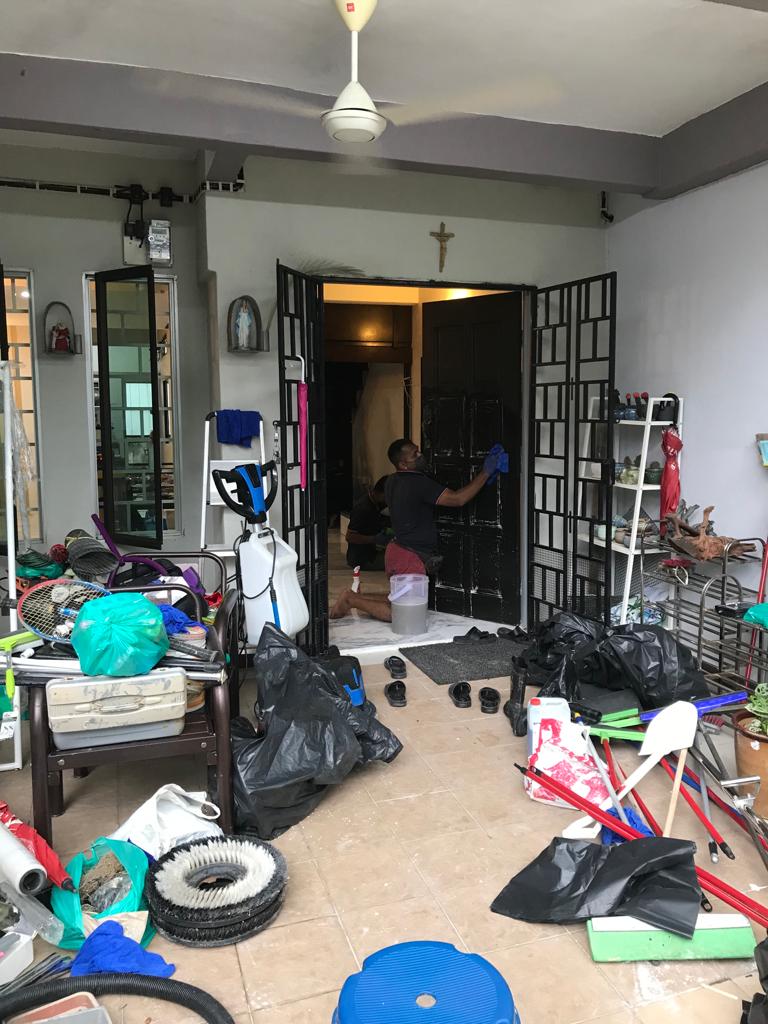


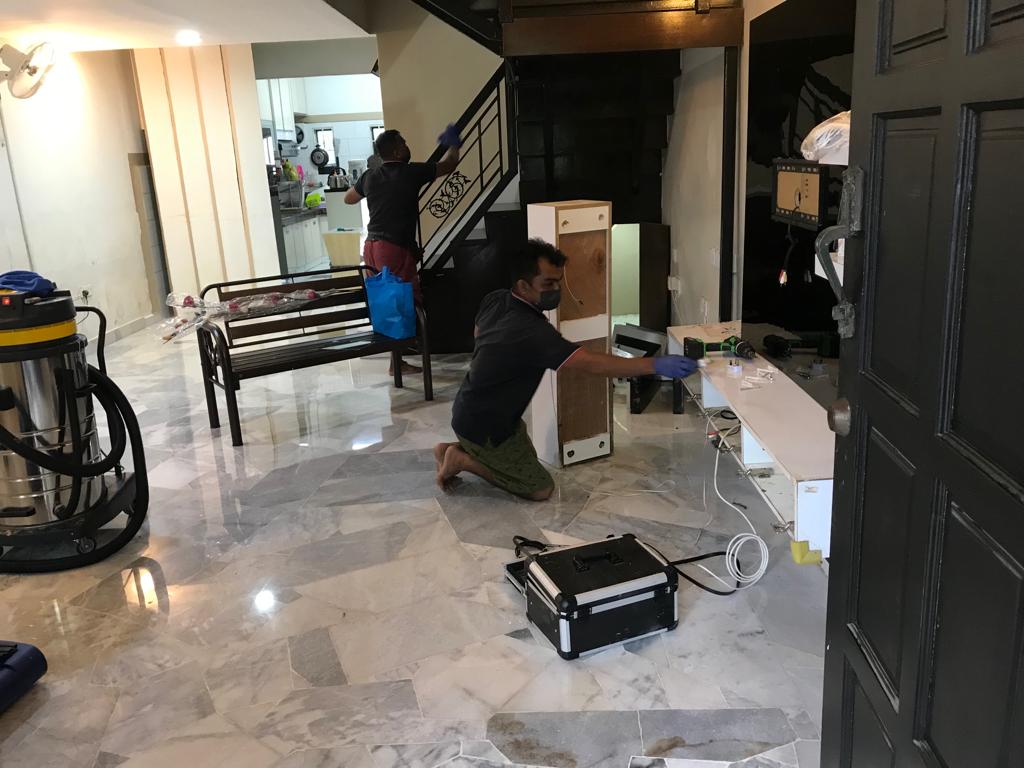
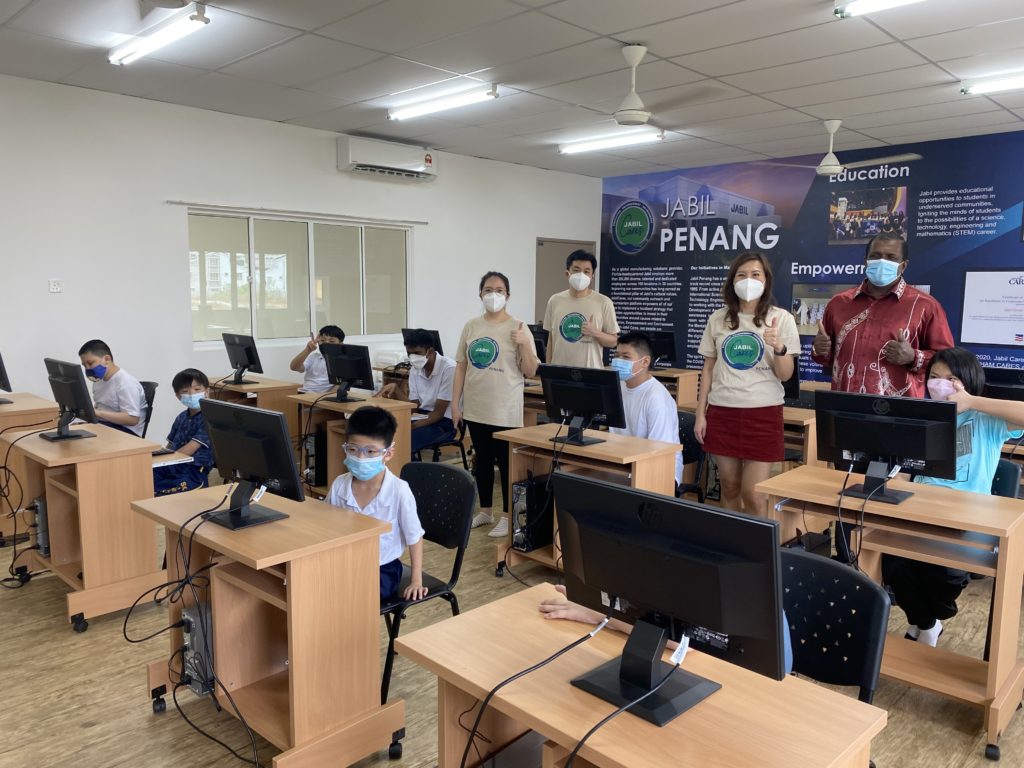
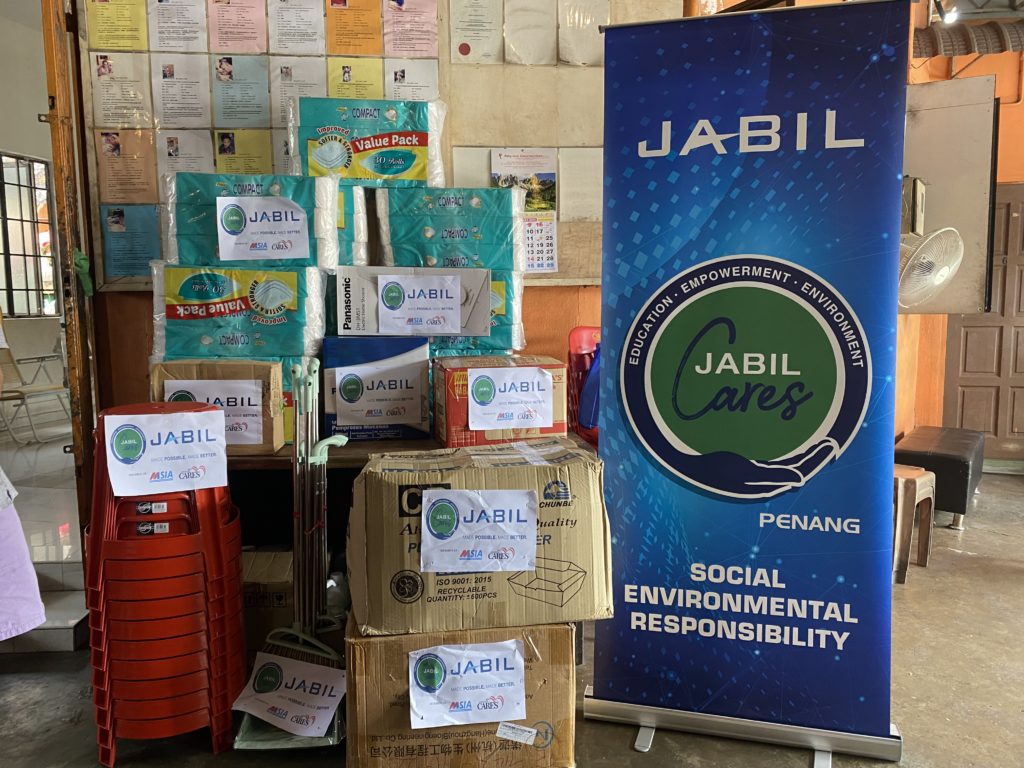
Jabil Penang and Jabil Kulim visited Suria Care Center and the Penang Handicapped Welfare Association and donated various items amounting to RM4,000. Well done to the Jabil team for helping out the underprivileged and differently-abled communities!

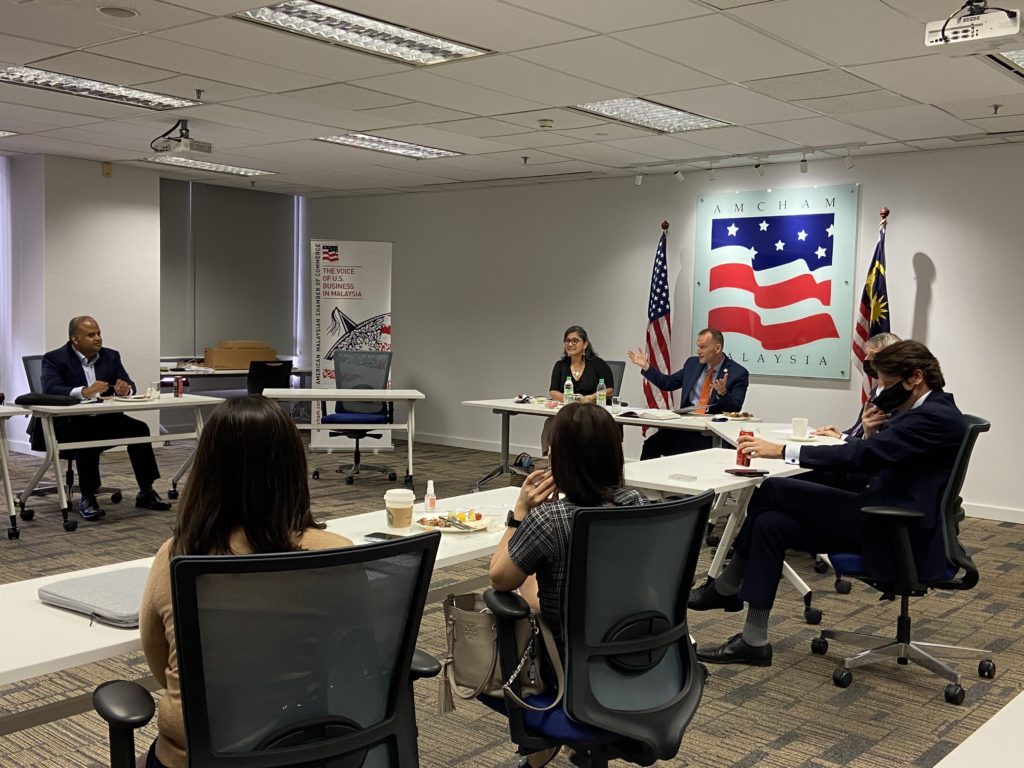
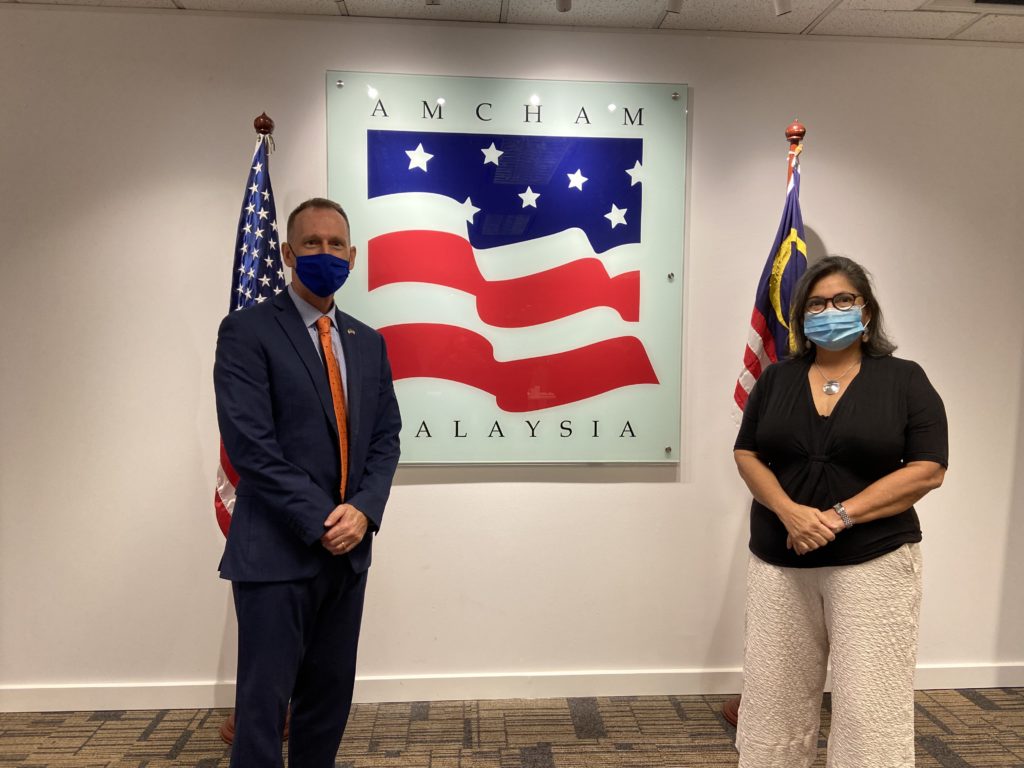
AMCHAM hosted a private lunch meeting with Donald Anderson, US Customs Borders and Protection (CBP) Attaché from US Embassy Singapore. In this session, Donald walked attendees through the role and processes of the CBP as goods enter the US consumer market. With the US being one of Malaysia’s largest trading partners, these sessions are invaluable to ensure the integrity of supply chains.
Thank you for the insightful session and we look forward to more programs with the US Embassy KL this year!
Hong Kong SAR, China, January 26, 2022 — FedEx Express, a subsidiary of FedEx Corp. (NYSE: FDX) and one of the world’s largest express transportation companies, announced the launch of DoraSorter – an AI-powered intelligent sorting robot – in collaboration with Dorabot, a leading robotics solution provider for logistics. The sorting robot represents the company’s latest push in digitizing its operations and building a smart logistics network to handle the ever-growing volumes of e-commerce-related shipments in the region.
The first of its kind in China for FedEx, the DoraSorter robot is being deployed at the 5,200m2 FedEx South China E-Commerce Shipment Sorting Center in Guangzhou. DoraSorter is already part of the daily sorting operations and is capable of handling small inbound and outbound packages from e-commerce customers in South China. While FedEx and Dorabot teams continue to fine-tune the robot based on operational requirements, and explore more application scenarios, DoraSorter’s core function of sorting parcels based on destination matches the sorting center’s operation process. Key features of DoraSorter include:
- At approximately 40m2, the robot can carry up to 10 kilograms of packages, covering up to 100 destinations simultaneously.
- The robot has a special drawer-shaped gripper that can connect with the conveyor belt seamlessly.
- Equipped with a barcode reader that scans package to obtain destination information, the robot uses its gripper to receive a package inward from the conveyor belt and moves it outward to the corresponding destination slot.
FedEx investment in this warehouse automation echoes broader industry trends. Triggered by the global pandemic, logistics players are optimizing operational efficiencies, from warehouse management to last-mile delivery, to cater to the soaring demand for e-commerce products,[1] seasonal peaks, and consumers’ heightened expectations for fast delivery. According to McKinsey & Company, the global warehouse automation market is projected to reach $51 billion by 2030.[2] By 2025, more than 4 million commercial robots will be installed at more than 50,000 warehouses.[3]
“With e-commerce taking center stage in the future of retail in our region, the speed with which a parcel can be picked up and delivered to customers’ doorsteps has become a dominant factor in driving the adoption of sorting robots. Bringing DoraSorter to China as a pilot program is a natural choice for us given it’s the world’s biggest e-commerce market with an expected valuation of $3.3 trillion by 2025,[1] ” said Kawal Preet, president of the Asia Pacific, Middle East and Africa (AMEA) region at FedEx Express. “As we look to build a data-driven, smart logistics network to help our customers thrive in the digital economy, this alliance with Dorabot is part of becoming the network for what’s next. AI-powered technology will continue to change how we support customers in the region and enhance supply chains for the future.”
“Innovation is at our core and is a major factor behind FedEx strategy in China,” said Robert Chu, vice president, Operations, FedEx China. “To meet customers’ changing needs, we have been exploring and investing in new technologies to enhance every key aspect of transportation. The rapid rise in e-commerce has led to higher customer demand for timeliness and flexibility in logistics services, creating new challenges and opportunities for the entire logistics industry. Our collaboration with Dorabot is our latest effort to improve operational efficiencies and build an agile logistics infrastructure through robotics technology that will support the growth of China’s e-commerce industry.”
“The use of DoraSorter helps FedEx sort a higher volume of cross-border e-commerce shipments,” said Xiaobai Deng, founder and CEO of Dorabot. “It is the starting point of a global collaboration between Dorabot and FedEx. We hope that we can work together to bring AI and robotics applications to more businesses and consumers.”
FedEx continues to leverage advanced technologies to streamline its operations and help customers of all sizes in China and beyond seize opportunities in the global market. Last October, FedEx teamed up with Neolix to test an autonomous delivery vehicle in China. The company is also testing FedEx SameDay Bot®, Roxo™ in AMEA to explore the future of contactless, last-mile delivery. In addition, FedEx also launched a sensor-based logistics device – SenseAwareID, designed to enhance tracking precision, reliability and timely delivery of critical shipments such as life-saving pharmaceuticals and emergency medical supplies.
[1] https://www.kantar.com/inspiration/coronavirus/ecommerce-soaring-during-covid-19
[2] https://www.mckinsey.com/industries/retail/our-insights/automation-has-reached-its-tipping-point-for-omnichannel-warehouses
[3] https://www.abiresearch.com/press/50000-warehouses-use-robots-2025-barriers-entry-fall-and-ai-innovation-accelerates/
https://www.globaldata.com/chinese-e-commerce-market-reach-us3-3-trillion-2025-says-globaldata/
In its latest report, KPMG International reveals that personalization is a key driver to both loyalty and advocacy for Malaysian consumers as they now understand how technology can be leveraged by brands to personalize the buying experience.
Alvin Gan, Head of Management Consulting, KPMG in Malaysia, observed, “Customers have a much larger say in today’s Malaysian market compared to pre-pandemic times. Brands now recognize the importance of keeping their customers engaged, and this revolutionized how we think of customer experience.