Standard Operating Procedures (SOPs) for Malaysia’s “Transition to Endemic Phase” have been released.
Now that Malaysia has entered the ‘Transition to Endemic’ phase, a new set of SOPs have been released for indoor work spaces. This guide consists of 2 parts – identifying COVID-19 risks and ways to assess risks
on premises and at workplaces, and infographics to help make safer choices while carrying out daily
activities or at workplaces.
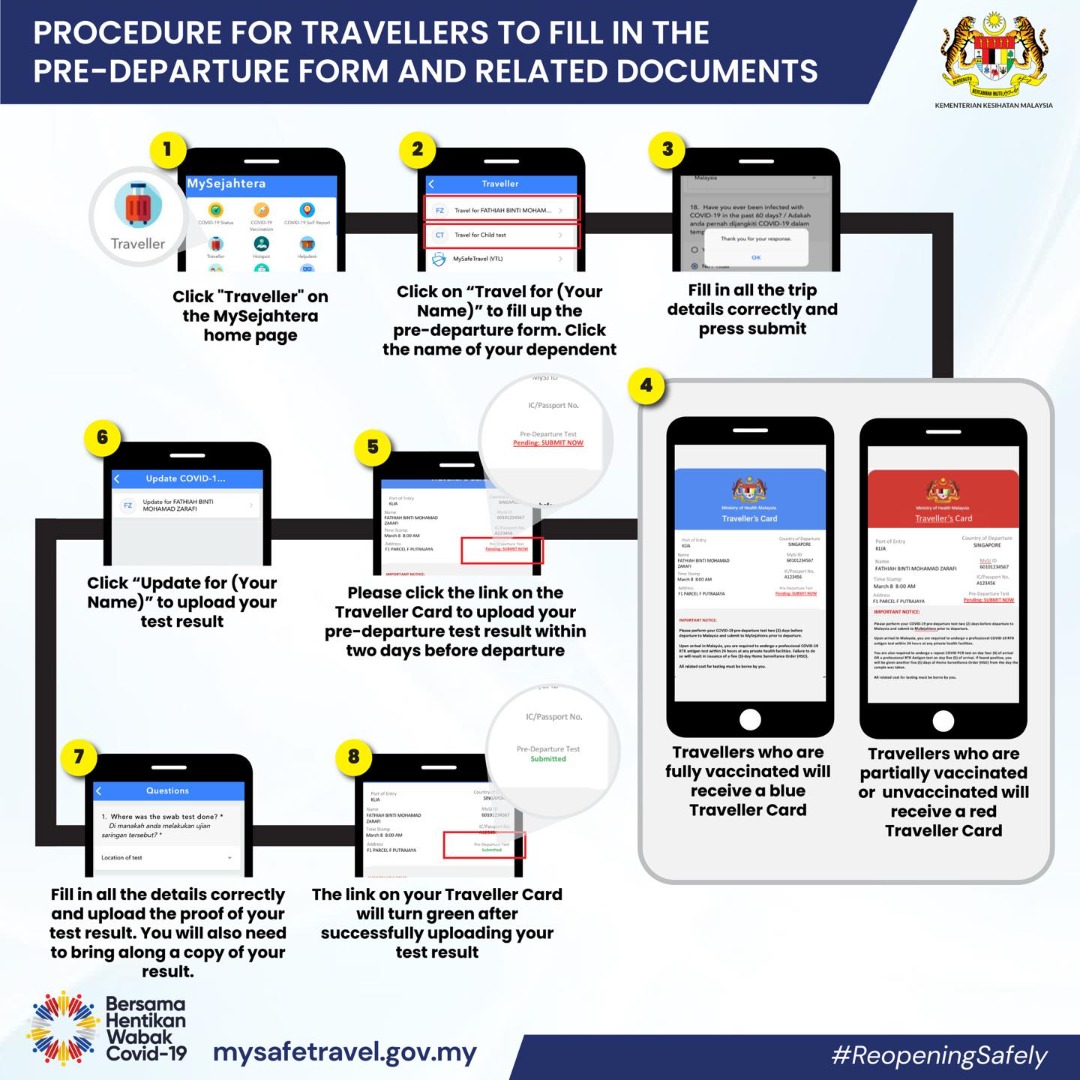
All travelers entering into Malaysia are required to fill out a pre-release form in the MySejahtera app. Pre-departure test results must also be uploaded within 2 days prior to departure. The guide below details the procedure on how to fill in the Pre-Departure form as well as the related documents.
Kuala Lumpur, 29 March 2022 – Ahead of the fast-approaching Ramadan month, International SOS has unveiled its top five health tips for those observing the holy month during the COVID-19 pandemic. The world’s leading health and security services company also advises organisations to continue to prioritise the safety and wellbeing of their employees and shares the following advice.
Dr David Teo, Regional Medical Director, Asia, International SOS, said, “We would like to wish all everyone a blessed and safe Ramadan month. Ramadan is an important and special observation and this year will be the first time many Malaysians can travel and gather since the pandemic began. While there has been a relaxation of guidelines and standard operating procedures (SOPs), people still need to be careful and mindful of their health, which is why we created our top five tips help make it easier for those observing the fast.”
Dr Teo continued, “Even though vaccination rates against COVID-19 have reached good levels in Malaysia, the pandemic is not over yet and everyone still has to be careful and follow existing guidelines and SOPs such as, physical distancing, mask wearing, and hand hygiene.”
International SOS’ top five tips for a healthy Ramadan are:
- Do not skimp on rest and/or sleep – Ramadan is a time of increased prayer. Though it may be tempting to stay up late for Sahur and only sleep after Imsak, you should still aim to get at least 8 hours of sleep during every 24-hour period, even if this is accumulated over several separate periods of rest. A well-rested body and mind will make it easier for you to concentrate at work and have more energy throughout the day.
- Stagger your hydration – Thirst can be one of the most challenging symptoms of fasting, leading us to drink plenty of water and liquids very fast as soon as we break our fast and then just before Imsak. However, rehydration should be a cumulative process. The best way to rehydrate fasting bodies and maintain this hydration for longer is to pace your liquid intake by consuming at least 2 litres of water – one or two glasses at a time – between Iftar and Imsak. It also helps to cut down on caffeinated drinks at night, and to top up your liquid intake with soups, fruits and vegetables rich in water, such as cucumbers and watermelon.
- Eat healthy and nutritious meals – Fasting will cause a change of habit in eating and your food intake frequency. It is vital to fulfil your vitamin and mineral needs to maintain a strong immune system. Be mindful of your salt and sugar intake. After a full day of fasting, avoid satisfying cravings with soda and energy drinks which are high in sugar. Instead, opt for the unprocessed food such as fruits, and consume complex carbohydrates such as rice, bread and wholegrains alongside vegetables, which will keep you fuller for longer. As for salt intake, it is worth keeping in mind that having moderately savoury foods with water can help you retain some hydration for longer. However, consuming too much salt will have an adverse effect and contribute to thirst and dehydration during the day. Too much salt can affect blood pressure, so go easy on salty snacks such as popcorn and salted nuts at night.
- Do more in the morning – Where possible, schedule more difficult tasks requiring greater concentration or physical effort in the morning, when you will have more energy. International SOS encourages businesses each year to schedule important meetings during the first half of the day, when fasting employees will have more energy and will be better able to retain new information.
- Don’t stop exercising – Although you may feel more tired and understandably less active while fasting, skipping regular exercise for a full month is unhealthy, particularly as most of your food intake will be consumed at night. Moderate exercise is advisable and will also help you feel less sluggish. Just remember to wait a couple of hours after Iftar before doing an activity.
In addition, individuals suffering from chronic illnesses should consult their doctors on how to manage regular medication and to ensure it is safe for them to fast.
“In any case, it is always and particularly important to identify persons at risk of severe form of COVID-19, such as the elderly and those with pre-existing conditions (e.g. cardiovascular disease, diabetes, chronic respiratory disease or cancer), to respect the social distancing and respect hand and general hygiene measures. However, people who are affected by COVID-19 may wish to consider the religious license to break their fast in consultation with their doctor,” concluded Dr Teo.
International SOS also reminds everyone to be mindful of the following guidelines to have a safe Ramadan amidst COVID-19:
- Follow the general hygiene measures strictly.
- Wash your hands frequently, regularly and thoroughly clean your hands with an alcohol-based hand rub or wash them with soap and water.
- Wash all the fruits and vegetables before consumption.
- Maintain social distancing at least 2 meters (6 feet) and avoid gatherings with friends and relatives during Breaking Fast (Iftar), Sahur times and stay at home.
- Stay informed and follow the advice given by your healthcare provider and health authorities.
Technology services and consultancy firm Accenture is offering 2,000 information technology (IT) jobs under its Advanced Technology Centre in Malaysia (ATCM).
In a statement, Accenture said this was to support the Malaysia Digital Economy Blueprint (MyDigital), and that those accepted for the positions would be hired and trained “in the next few years”.
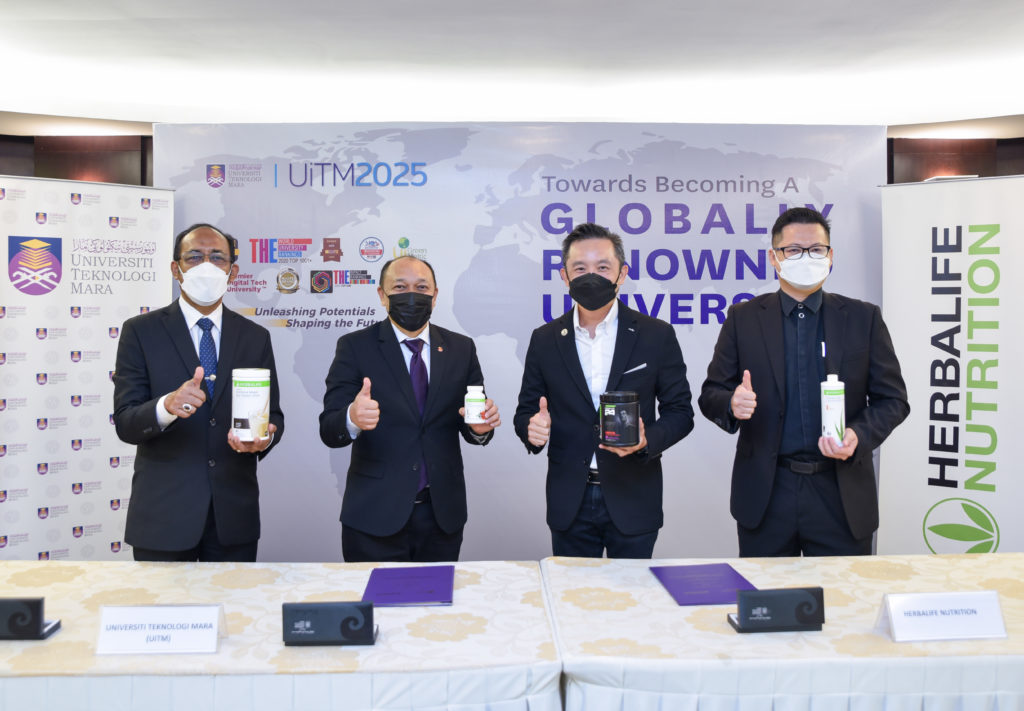
SHAH ALAM, MARCH 29, 2022 – Leading global nutrition company Herbalife Nutrition today strengthened its partnership with the largest institution of higher education in Malaysia, Universiti Teknologi MARA (UiTM), by signing a Memorandum of Understanding (MoU) with the institution to facilitate knowledge-sharing on nutrition expertise.
The signing ceremony took place at UiTM Shah Alam, with Herbalife Nutrition represented by Steven Chin, Senior Director and General Manager of Herbalife Nutrition Malaysia and Singapore, and UiTM represented by YBhg. Professor Dr Shahriman Zainal Abidin, Assistant Vice-Chancellor of Internationalization of UiTM.
For a three-year period with an option to be extended thereafter, the MoU will spearhead collaborative initiatives between Herbalife Nutrition and UiTM, with a view to exchanging and amplifying knowledge and expertise pertaining to nutrition, sports science, and food development amongst UiTM students and academics.
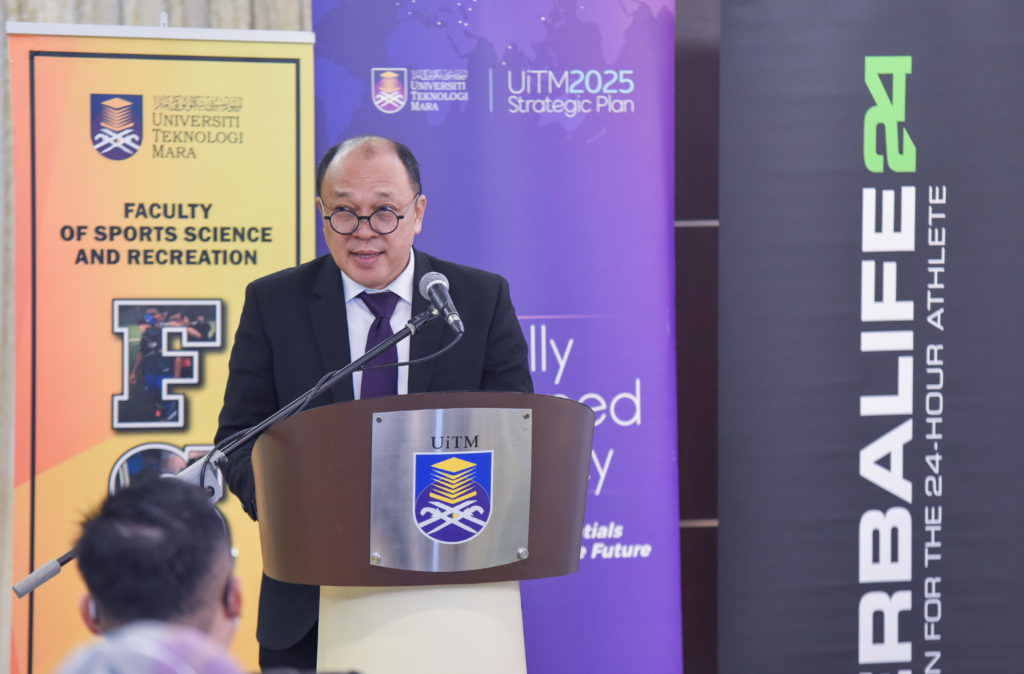
YBhg. Professor Datuk Ts. Dr Hajah Roziah Mohd Janor, the Vice-Chancellor of UiTM said, “As part of UiTM’s objective to provide world-class education, we are pleased to have Herbalife Nutrition onboard to share their nutrition knowledge. Empowering young Malaysians with this expertise will subsequently contribute towards our ongoing efforts to produce top athletes for the country, who excel in both athletic and academic performance.”
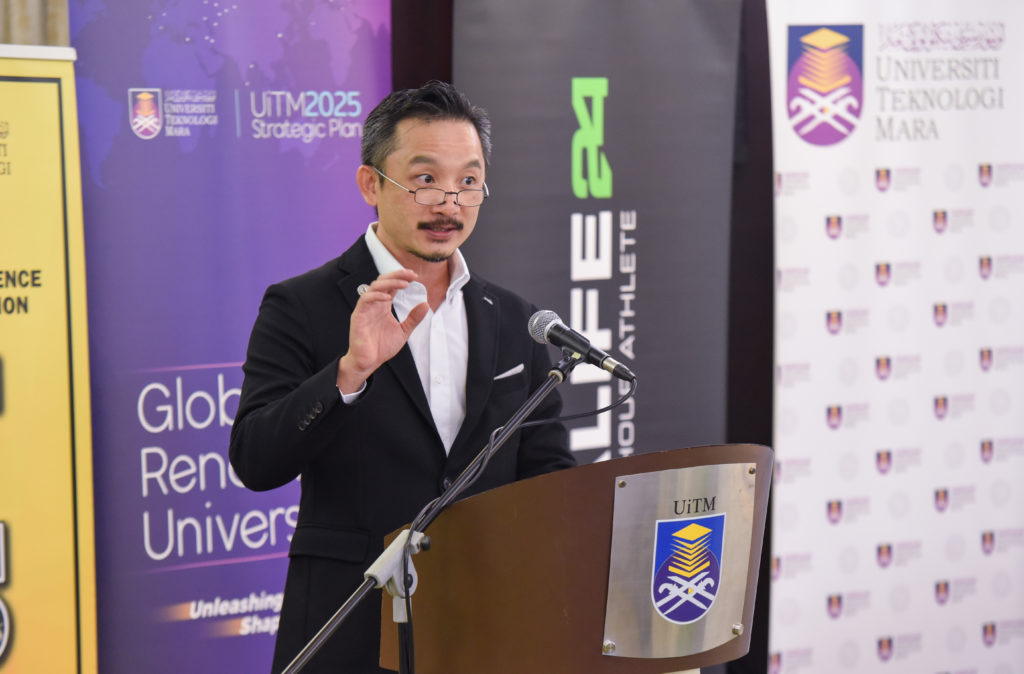
Steven Chin said, “We are honoured to join hands once again with a reputable and well-established university such as UiTM, following our successful collaborations in the past. Building on this foundation, the continued partnership reflects Herbalife Nutrition’s commitment to encourage Malaysians to embrace healthy, active lifestyles.”
Through this partnership, Herbalife Nutrition will leverage its sports nutrition expertise by engaging with UiTM athletes, including the UiTM professional football team, to equip them with advice on proper nutrition, covering dietary recommendations and fitness nutrition. As part of the initiative, Herbalife Nutrition will work together with UiTM’s Faculty of Sports Science and Recreation for the betterment of UiTM sports athletes.
A series of educational programmes on nutrition will also be conducted via effective platforms such as workshops, forums, conferences, and short courses. This will see Herbalife Nutrition bringing together diverse perspectives from experts across the world.
“Ultimately, this partnership will help to strengthen ties between other key stakeholders in the industry, enabling greater collaboration to achieve a common goal – cultivating a healthier, more active generation of Malaysians. This supports the Government’s aspiration of encouraging Malaysians to take charge of their health through initiatives such as the National Nutrition Policy 2.0 and Agenda Nasional Malaysia Sihat, amongst others,” added Steven.
Herbalife Nutrition has worked with UiTM on numerous initiatives, including taking part in UiTM’s Sports Webinar, conducted in partnership with Institut Sukan Negara whereby a member of Herbalife Nutrition’s Dietetic advisory board, Dr Simon Sum participated as a speaker. Titled ‘Fuelling Your Exercise’, the webinar was attended by over 600 students and academics from UiTM.
Herbalife Nutrition also participated in the International Sport, Health and Emerging Technologies Summit Conference organised by UiTM, to address challenges in sports science, exercise, health, sports engineering and technology. This was attended by over 500 researchers and practitioners from academia and the sports industry, and Samantha Clayton, Herbalife Nutrition’s Vice President of Sports Performance and Fitness spoke on ‘360 Athlete Experience’; other speakers included Dato’ Misbun Sidek, Dato’ Nicol David, and Dato’ Azizul Awang.