KUALA LUMPUR, 19 SEPTEMBER (THURSDAY) – The Malaysia External Trade Development Corporation (MATRADE) and Federal Express Corporation, inked a Memorandum of Understanding (MOU) during the 20th International Halal Showcase (MIHAS 2024) to enhance the export capabilities and global reach of MATRADE members, especially Small and Medium Enterprises (SMEs).
The two-year MOU was signed at the Malaysia International Trade and Exhibition Centre with MATRADE being represented by its Chief Executive Officer, YBhg. Datuk Mohd Mustafa Abdul Aziz and FedEx Malaysia being represented by its Managing Director, Mr. Woon Tien Long. The MOU was witnessed by MATRADE’s Chairman, YB Dato’ Sri Reezal Merican Naina Merican. Through this MOU, FedEx, which is one of the world’s largest express transportation companies, will provide Malaysian SMEs with access to its expansive network of logistics and differentiated supply chain solutions, tailored seminars focused on international trade compliance, tips for successful international shipping and innovative digital tools.
According to YB Dato’ Sri Reezal Merican Naina Merican, the MOU signing represents a significant milestone in MATRADE’s efforts to forge strategic alliances with key stakeholders in both the private and public sectors. It underscores the agency’s commitment to connecting Malaysian exporters with global buyers and creating more value for the country’s exporting community through collaborative initiatives.
Mr. Woon Tien Long, pointed out that this collaboration aligns with FedEx commitment to foster economic growth and development in emerging markets. “We are confident that this collaboration with MATRADE will accelerate the growth of Malaysian SMEs on the global stage and contribute to the overall economic resilience of Malaysia and the region,” he stressed.
Woon also added that by combining MATRADE’s export promotion resources and FedEx industry-leading express delivery services, Malaysian exporters will benefit from comprehensive support to grow their cross-border e-commerce business and establish a stronger global footprint. “FedEx looks forward to a fruitful collaboration with MATRADE that will not only benefit Malaysian SMEs but also contribute to strengthening trade ties between Malaysia and the world,” Woon added.
His words were echoed by YBhg. Datuk Mohd Mustafa Abdul Aziz, “the MOU between MATRADE and FedEx is a timely initiative to bridge the gap between Malaysian companies and international markets, particularly through the utilisation of FedEx global network, logistics expertise, as well as the services offered by MATRADE via its 49 global offices abroad,” he said.
YBhg. Datuk Mohd Mustafa Abdul Aziz noted that this MOU with FedEx is a pivotal step towards equipping our SMEs with the tools and knowledge they need to succeed in the global arena. “Through FedEx differentiated solutions, international expertise and networks, we can provide local businesses with a significant competitive edge,” he said.
Recognizing the continuous need to help SMEs penetrate new markets, improve business connections and speed up processes, the collaboration enhances SMEs’ access to advanced logistics solutions to streamline export procedures, reduce shipping lead times and ensure efficient distribution channels.
This initiative also aligns with the 12th Malaysia Plan, emphasising digitalization, SME development and enhanced trade capabilities for sustainable economic growth.
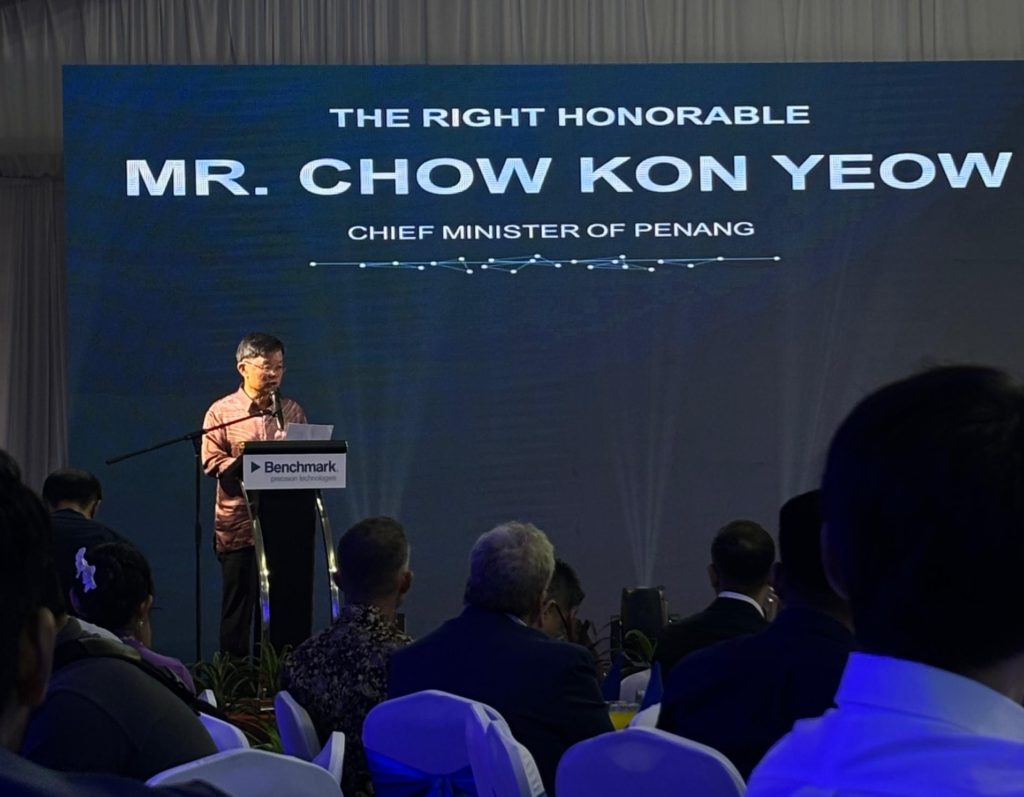
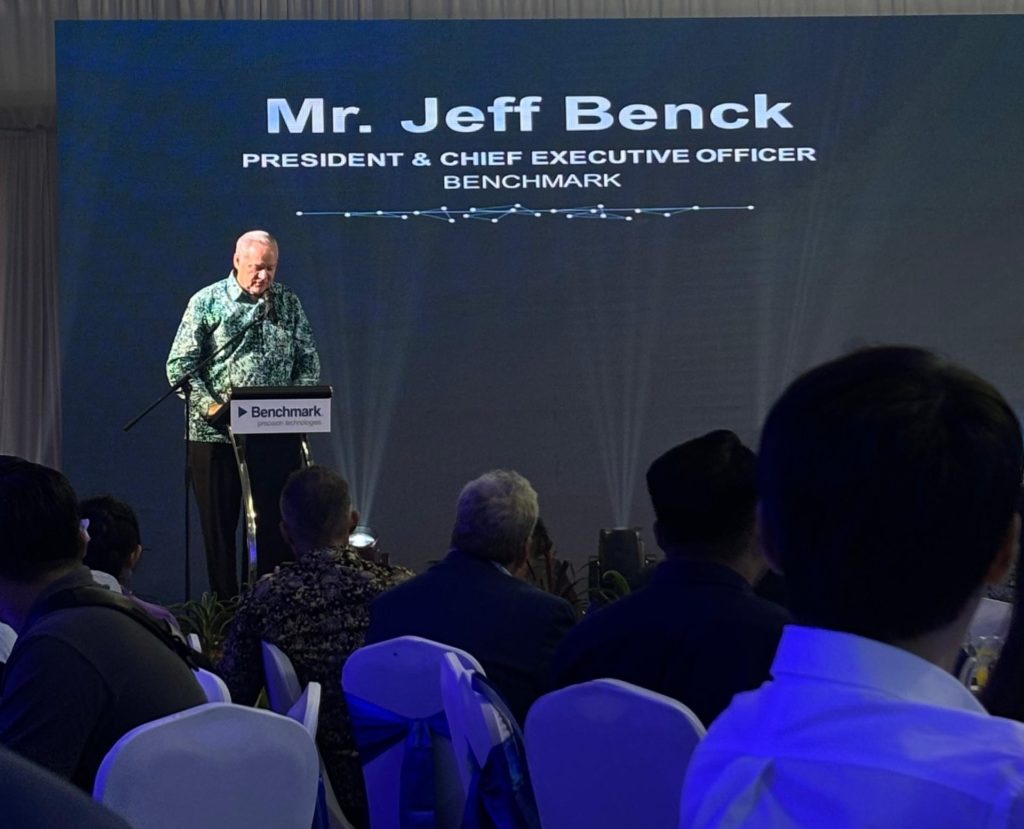
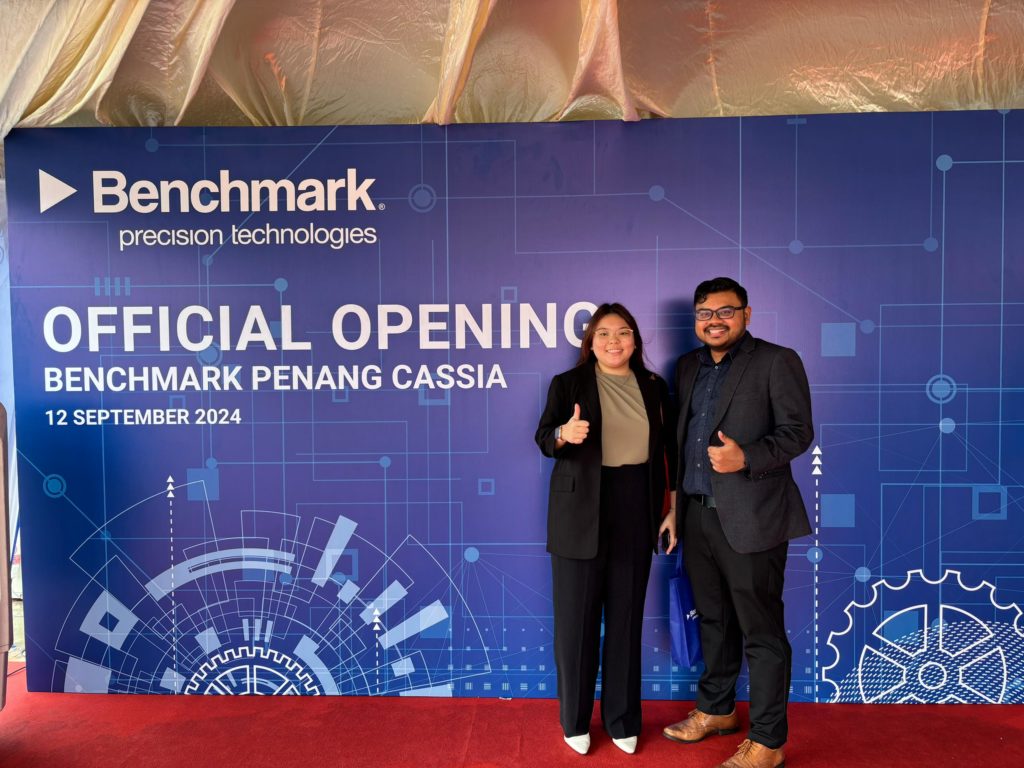
On September 12, AMCHAM joined Benchmark Electronics in celebrating the opening of their new state-of-the-art facility in Penang. This marks an important step in the company’s international expansion, reinforcing its global standing as a provider of engineering, design, and manufacturing services.
Benchmark’s fourth facility in the region, the new site will be instrumental in integrating key capabilities and will focus on its vertical integration in serving the semiconductor capital equipment and aerospace sectors.
Covering 8,000 sq. meters with ample room to expand, Benchmark now boasts over 40,000 sq. meters of production space in Penang.
A big congratulations to Benchmark Electronics on this exciting new chapter!
KUALA LUMPUR: New Community Sports Program launched at ISKL
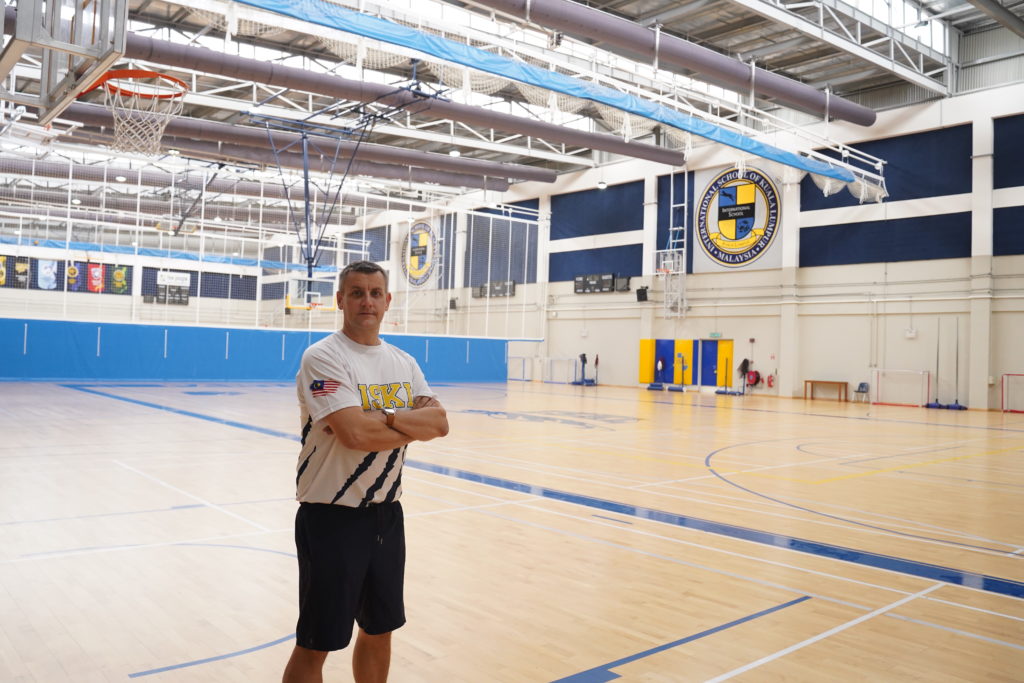
[September 12, 2024]—The International School of Kuala Lumpur (ISKL) is excited to announce the launch of Community Sports at ISKL, a new program operating from its Ampang Hilir campus that brings together external service providers offering high-quality training in a variety of sports.
Held weekdays from 6:00 pm and Sundays from 7:00 am, Community Sports is open to all school-aged children, including ISKL students and students from other schools. Some classes are also available on Saturdays.
Community Sports Coordinator Mr. Kevin Lawson shares, “The program is designed to provide students with options to play sports all year round, encourage them to try different sports, have fun, and get fit. Enabling the wider community to take advantage of the amazing range of service providers offering coaching at ISKL’s state-of-the-art facilities is also a great way of sharing our passion for sports, building community connections, and enhancing skill levels.”
The initiative features a diverse lineup of top-notch independent providers who deliver specialized training and competitive opportunities across sports disciplines, including badminton, baseball, basketball, climbing, football, rugby, tennis, touch rugby, strength and conditioning, and volleyball. “The program’s external providers have been carefully selected to ensure high-quality coaching and challenging programs for students of all ages and abilities,” explains Lawson.
Community Sports at ISKL providers include:
- American Volleyball Academy ~ Volleyball
- Defy ~ Strength and Conditioning
- Fastbreak Basketball Club ~ Basketball
- JJ Tennis Academy ~ Tennis
- KL Cubs ~ Baseball
- Klimb On! ~ Climbing
- KL Tigers ~ Rugby & Touch Rugby
- Miu2 Badminton Academy ~ Badminton
- Real Madrid Foundation ~ Football
Launched in August 2024, Community Sports affirms ISKL’s Mission to cultivate passions, values, and competencies. “Sports offers young people the opportunity to explore their interests and passions, challenge themselves, and develop their skills. Getting involved in a sport has many positive outcomes. In addition to being fun, it can significantly contribute to health and well-being and helps reinforce positive values through teamwork and respectful competition.” shares Lawson.
“We’ve had a fantastic response to the program from participants and their parents. Over the coming months, we’ll continue to enhance and expand the sports on offer and are always looking for new opportunities we can provide to keep young people active and engaged,” says Lawson.
In exercise of the power conferred onto him by section 1(2) of the Cyber Security Act 2024 (“CSA”), the Minister has appointed 26 August 2024 as the date on which the CSA comes into operation¹. Our previous alert highlighting the salient provisions of the CSA can be accessed here.
A number of regulations under the CSA, which clarify and set out the specific requirements in relation to some of the obligations imposed by the CSA, were gazetted on 22 August 2024 and will come into operation on 26 August 2024.
KUALA LUMPUR, September 11, 2024 – Real estate transparency is more critical than ever in times of uncertainty, and markets emerging as the most transparent are pulling further ahead based on investments in technology integration and AI, data availability and sustainability. This is according to JLL and LaSalle’s (NYSE: JLL) biennial, proprietary Global Real Estate Transparency Index (GRETI), which benchmarks market transparency to help inform how real estate is invested in, developed, and occupied in different regions around the globe.
While transparency has increased across most nations and territories since JLL’s 2022 report, the index finds that Europe remains the most transparent region, and highly transparent commercial real estate markets have seen the strongest progress. Among the global top improvers are the U.S., Canada, France, and Australia, while Singapore has entered the ‘Highly Transparent’ group for the first time, boosted by a focus on sustainability and digital services. The top set of countries has attracted over $1.2 trillion in direct commercial real estate investment over the last two years, representing over 80% of the global total, positioning them to lead the cyclical recovery in liquidity as capital market activity increases.

In step with Singapore, countries in Asia have recorded the strongest average transparency improvements since 2022. Globally, India is the top improver in transparency, with greater data coverage and quality across property sectors ranging from industrial to data centers. Japan, Australia, cities in Mainland China, South Korea, the United Arab Emirates, and Saudi Arabia also saw progress in 2024. By contrast, the Sub-Saharan Africa region saw the least progress in transparency, though some signs of improvement emerged in Kenya, Nigeria, and Ghana.

“The focus on transparency for investors has never been greater in global real estate markets as external challenges such as geopolitical tensions and election cycles draw increased attention in the near term,” said Richard Bloxam, CEO, Capital Markets, JLL. “On the horizon, additional drivers like artificial intelligence and higher standards of sustainability obligations and reporting will continue to push investors to seek greater transparency.”
“Highly transparent markets in this year’s Index represent over half of income-producing real estate worldwide. Countries with transparent pricing and fundamentals, especially across the diverse range of specialty sectors and sub-sectors, will likely lead the real estate liquidity recovery,” said Brian Klinksiek, Global Head of Research and Strategy for LaSalle Investment Management. “Diversification will be critical as the investible universe continues to expand in terms of breadth and complexity.”
In Southeast Asia, Malaysia, along with Thailand, is one of the only two countries that falls under the category of transparent economies. This recognition is acknowledged by major stakeholders, including occupiers, investors, and developers.
“It positions Malaysia as a hotspot for growing segments such as logistics and industrial sectors. Malaysia plays a vital role in the implementation of the China Plus One initiative,” said Yulia Nikulicheva, Head of Research & Consultancy of JLL (Malaysia). “Additionally, it is recognized as a strategic location for data centers, making it a preferred destination for many players in the industry. This reputation is reflected in the high provision of data centers in the country,” added Nikulicheva.
AI and sustainability drive new transparency opportunities and challenges
The proliferation of AI has been rapid, hastening expectations for its impact on real estate with the influence of tools including JLL’s AI platform, JLL GPT. It is estimated that over 500 companies are currently providing real estate-specific AI services, and with investment growing significantly, early findings suggest AI will boost transparency across the industry with its ability to review and summarize large volumes of data and analytics, automate building management, and power urban and architectural design. However, experts and policymakers have raised the risks of AI and introduced policies such as the U.S. Executive Order on AI and recently approved EU AI Act to ensure the responsible deployment of the technology to maintain transparency.
In parallel, sustainability marked the largest improvement in the 2024 Index, as nations race to halve carbon emissions by 2030 to meet the Paris Agreement, and the introduction of mandatory decarbonization pathways set new building performance standards, sustainability reporting requirements, and corporate commitments. France, Japan, and the U.S.- with 40 U.S. cities committed to passing a Building Performance Standard requiring building energy use or emission reductions by 2026 – emerged as leaders in sustainability for implementing energy performance requirements for both existing and new buildings, energy use reporting, and biodiversity protection and restoration. These markets with the clearest long-term pathway to more sustainable real estate will offer the most transparent and predictable environments, allowing occupiers to make decisions with confidence, governments to meet decarbonization targets, and investors to future-proof their portfolios.
However, despite significant progress made, sustainability metrics continue to be among the least transparent globally. Beyond the most transparent markets, mandatory building performance standards, public disclosure of buildings’ energy use, climate risk reporting, and resilience planning are still limited. The rate of building decarbonization retrofits will need to triple to align with net zero carbon pathways, while demand for green buildings significantly outstrips demand – only 30% of demand for low carbon office space in the major global markets is likely to be met by 2030. Looking ahead, sustainability transparency is expected to grow over the next two years across the world’s largest economies including the U.S., EU, U.K., China, Japan, Korea, Canada, and Australia as new requirements are enacted.
With these emerging trends, such as technology integration and sustainability, comes diversification, as investors look to identify assets that will benefit most from these long-term themes. This is resulting in an expansion of the investible universe, and a significant reallocation of capital; the share of global investment into the industrial and living sectors has risen from 29% ten years ago, to account for 50% of global direct investment over the past year, while institutional investors are increasingly active in emerging asset types such as data centers or lab space.
Debt markets, money laundering, and beneficial ownership are among key transparency themes to watch
Approximately US$3.1 trillion of global real estate assets have maturing debt between 2024 and 2025, and US$2.1 trillion of debt will need refinancing. Roughly 30% has been completed over the first half of 2024; however, monetary authorities have raised concerns about the potential risks from the relative lack of transparency as non-bank lenders expand and complement traditional sources of credit. While commercial real estate lending was historically dominated by regulated banks, the lender landscape has broadened with new credit sources such as debt funds, pensions and insurance companies emerging. This diversification has created a more balanced market, but also one with less visibility into financing conditions in many countries, raising new transparency concerns.
Alongside debt markets, money laundering and beneficial ownership regulations have surfaced as transparency areas to watch. New guidance from the Financial Action Task Force (FATF), requiring countries to ensure they can track the true ownership of companies, paired with widening financial sanctions regimes, have maintained momentum for improving anti-money laundering (AML) and beneficial ownership (BO) regulations. Despite global action, the effectiveness of these regulations remains under scrutiny as implementation and definitions are often inconsistent and easy to circumvent. Countries such as India, Indonesia, the United Arab Emirates and the U.S have introduced changes to AML and BO regulations to help drive transparency, and additional regulations are underway in the U.S., Singapore, Switzerland, Canada, Australia, and the EU.