
Kuala Lumpur, August 3 2021 – Premier global nutrition company, Herbalife Nutrition, unveiled findings from its 2021 Asia Pacific Young Entrepreneurs Survey today, which found that 79% of Generation Zs and Millennials in Malaysia aspire to have their own businesses.
Herbalife Nutrition polled 4,093 people in the Generation Z and Millennial (aged 18 – 40) groups to examine entrepreneurship trends across eight countries i.e. Malaysia, Indonesia, Japan, Philippines, Singapore, South Korea, Taiwan and Vietnam.

“The survey uncovered many interesting insights about people’s attitudes and ambitions when it comes to entrepreneurship. According to the survey, Malaysia is one of the countries in Asia Pacific that has the highest percentage of people that aspire to have their own businesses, alongside Indonesia, Philippines and Vietnam. With the drive to have their own businesses, many people, especially the tech-savvy generation, can leverage the digital economy with the presence of technology during these challenging times – achieving their goals of following their passion, getting more flexibility in their jobs, having an extra income source, supporting their families and even changing their career. It is also important to note that self-made entrepreneurs are important as their businesses, no matter the size, can help to keep economic activities going while also aiding the country’s economic recovery,” said Steven Chin, Senior Director/General Manager of Herbalife Nutrition Malaysia and Singapore.

However, a desire for entrepreneurship does not mean respondents are jumping into it: the average respondent said they believe someone should have five years of experience before starting their own business.
Steven Chin added, “Being on your own comes with its own set of challenges and risks, but it also offers tremendous rewards. Many of us have dreamed about it, but few of us really take the leap, where nearly 8 in 10 Malaysian respondents feel intimidated by their lack of experience when thinking of starting a business. That is why it is important to pick up the right resources such as training and education, having a mentor and further financial resources to navigate in the world of business and improve their chances of success.

Aspiring young entrepreneurs believe their age will help their chances for business success
84% of Malaysian respondents believe that the best time to start a business is when they are still under the age of 40, with average prime age for starting a business at 27 years old. In addition, 45% of respondents believe that their age will help their chances of business success due to the following reasons:
- I’m better at adapting to new technology (69%)
- I’m more likely to embrace new technology (54%)
- More resources are available to me than to previous generations (45%)
Key reasons for entrepreneurship
When asked about the motivations for their entrepreneurship aspirations, the top reasons include following their passion (46%), wanting more flexibility in their jobs (44%), finding ways to supplement income from reduced job hours (43%), supporting their families (41%), and wanting a career change (39%).
Cost, lack of financial and market knowledge holding entrepreneur hopefuls back
Respondents said the main challenges to starting a business are the initial costs (43%) and lack of financing and market knowledge support (38%). 72% said now is the best time to start their own business but they are intimidated by their own inexperience (72%) and feel overwhelmed by the prospect of starting a business (72%).
Training, financial resources and mentors can boost success
Among the respondents who already started their own business, 59% said they are still open during the pandemic. They listed more training and education (58%), additional financial resources (55%) and having a mentor (49%) as factors that will help them be more successful.
KPMGs global Technology Industry Survey 2021 involving more than 800 industry leaders reveals that 61% say the pandemic has changed their opinion of which cities will become leading technology innovation hubs. Only one third feel that Silicon Valley will maintain its innovation leadership position, while an equal number feel it will not.
The Flex PIKAS Vaccination Center opened its doors to the first batch of vaccine recipients at its H1 facility in Bukit Minyak, Penang. As one of the designated industrial vaccination centers under the Public-Private Partnership COVID-19 Industry Immunization Program (PIKAS), the facility expects to welcome about 13,500 employees from Flex and 90 other factories around its vicinity for the vaccination program.
Watch the video here
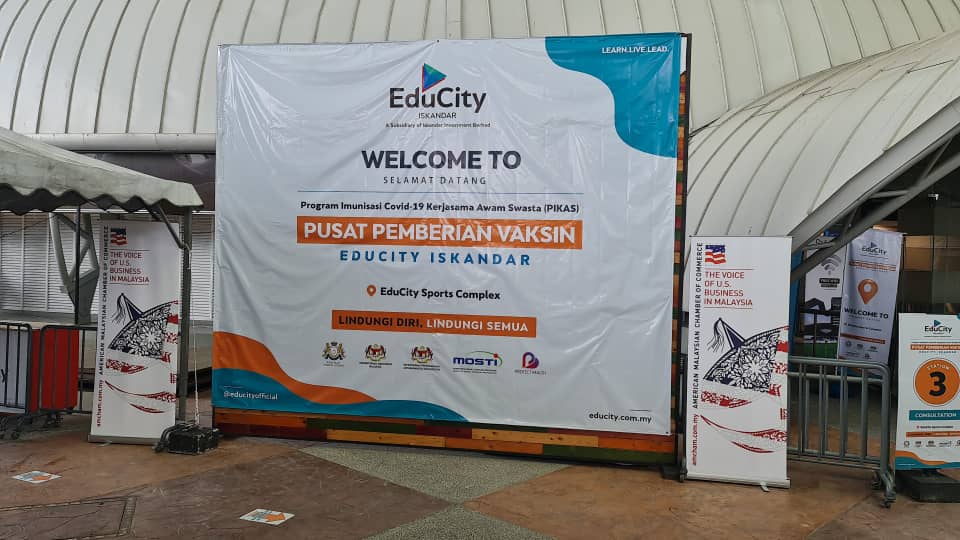
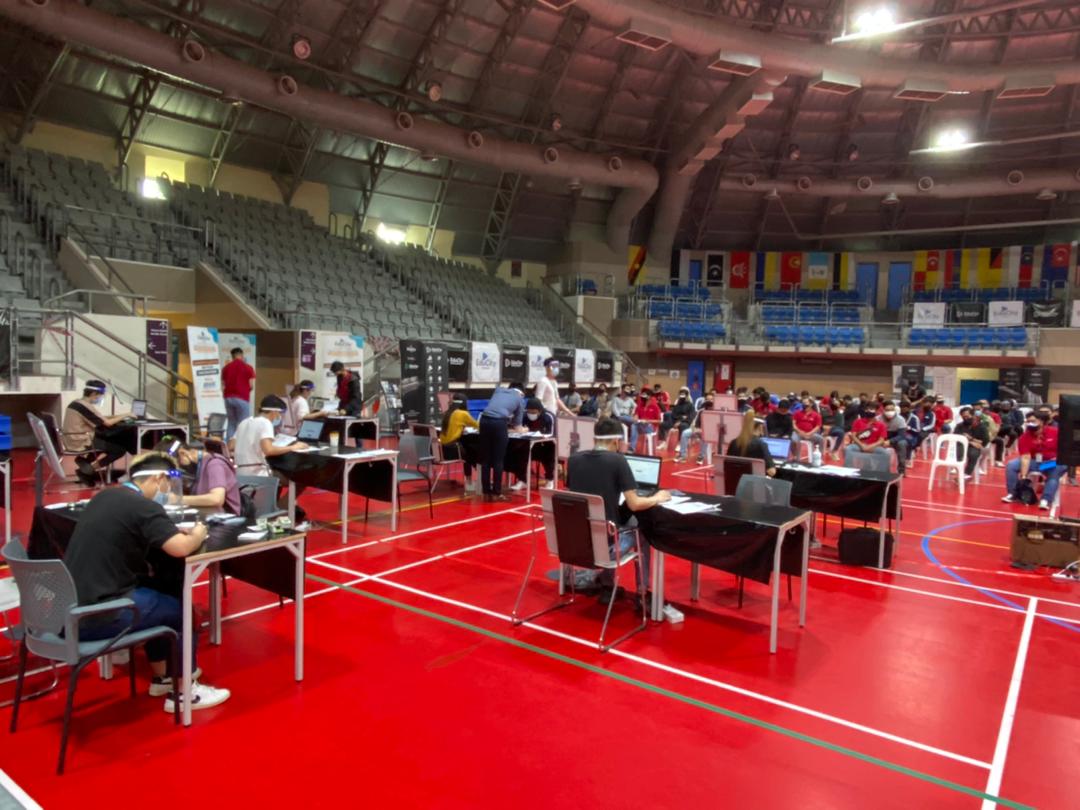
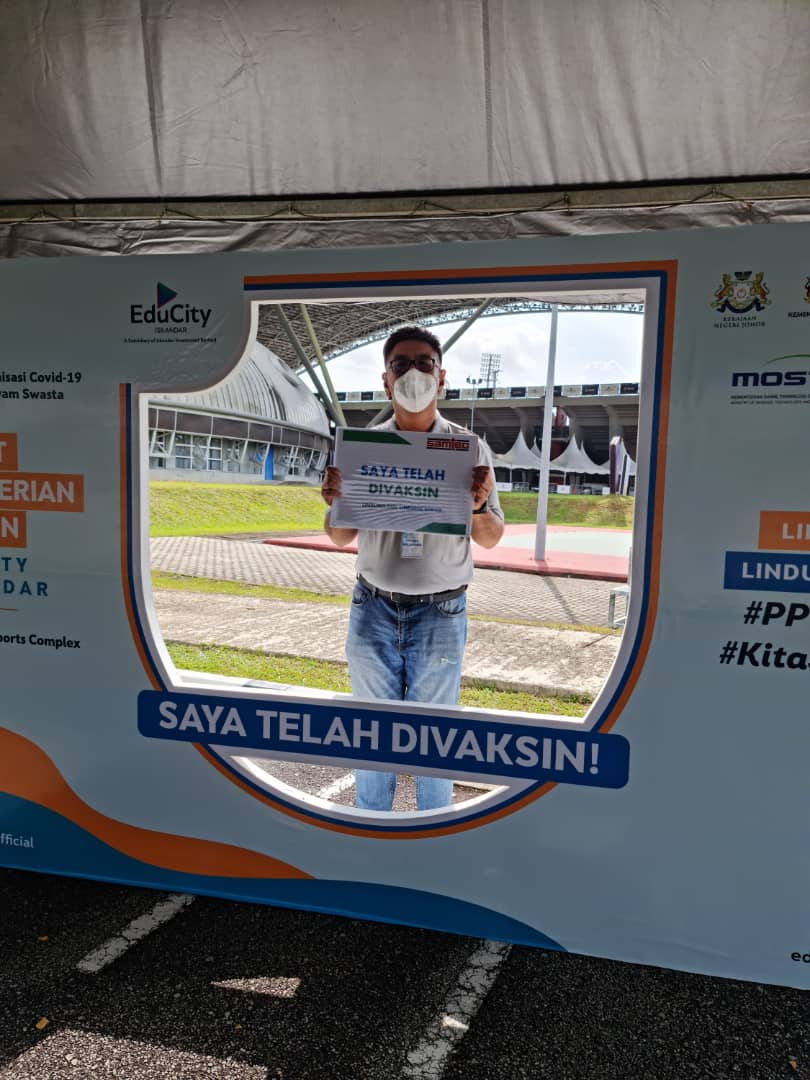
The Common Vaccination Center (PPV) at Educity is officially open! It is an initiative led by multiple AMCHAM member companies in Johor, namely Samtec, Flextronics, Celestica, Heraeus, Hershey’s, HID and HP. A total of 44 companies are slated to go through this centre.
Great work by the AMCHAM Johor Network and to all the supporting bodies.
AMCHAM’s GATE program has come to a close with its final session “Social Media & Media Literacy: Managing Disinformation”. In the current environment, disinformation is common and can be very damaging. For this session, our expert speakers shared insights into how to manage disinformation effectively, how to identify it and how to mitigate any damage coming from it.
This session featured presentations by Wathshlah Naidu, Executive Director of the Center for Independent Journalism (CIJ) and Dr Ross Tapsell, Senior Lecturer at the Australian National University (ANU). Both of them then proceeded to join Indira Nair, Managing Partner/Communications Coach at Influence360; and Zikri Kamarulzaman, Assistant Editor at Malaysiakini, for the panel discussion, moderated by Nararya Soeprapto, Global Government Relations & Public Policy Senior Director at Procter & Gamble. Each of the panelists provided their input on their experiences in dealing with disinformation, how the nature in which it works, and how businesses can manage it.
The GATE program launched May 10, 2021 and over the past four months we’ve covered a range of key topics including, but not limited to, governance, networking and managing connections, crisis management, and key messaging. The formal sessions in addition to the Gate 40 networking events have been a great success for this first run of the program. The GATE program will formally close with a capstone event.
A special thanks to all of our speakers and attendees for making the program a success. We would also like to thank both our event partners – U.S. Embassy & Paypal for supporting this program.
The MySejahtera Travel Kit guideline is on the technical use of the MySejahtera app for travellers, and must be read together with the policy of the day.
Inbound Malaysians and expatriates must currently undergo a mandatory 14-day quarantine at a Quarantine Station (Government-gazetted hotels or other premises). For those traveling from India, Sri Lanka, Bangladesh, Nepal, and Pakistan, the quarantine period is 21 days.
The policy for the entry and quarantine process of those arriving from abroad is issued by the National Disaster Management Agency (NADMA).
Click here for the latest guideline on the entry and quarantine process for person under surveillance (PUS)