Peals of laughter and expressions of excitement echoed through the hallways of The International School of Kuala Lumpur (ISKL) on a bright Saturday morning, with over 1,000 people coming together to celebrate a beloved tradition, the 2023 International Fest!

Visitors were welcomed by a lively Malaysian kompang and choir performance, paying tribute to the host country. The panther grounds were then filled with colorful flags from all around the world as students paraded around the campus, proudly waving flags representing ISKL’s diverse community of over 70 nationalities.


Organized by ISKL’s PTA, the event festivities continue with cultural performances, community basket auctions, bazaars, cultural games, and various activities for families to enjoy.


Over at the canteen area, wafts of delicacies from the different food stalls are in the air as attendees savor the flavor and aromas of culinary delights worldwide.
In addition to the delightful food and activities, the event provided a platform for ISKL’s service clubs to support their partner community by offering activities or selling goods such as upcycled items and hand-crafted textiles.
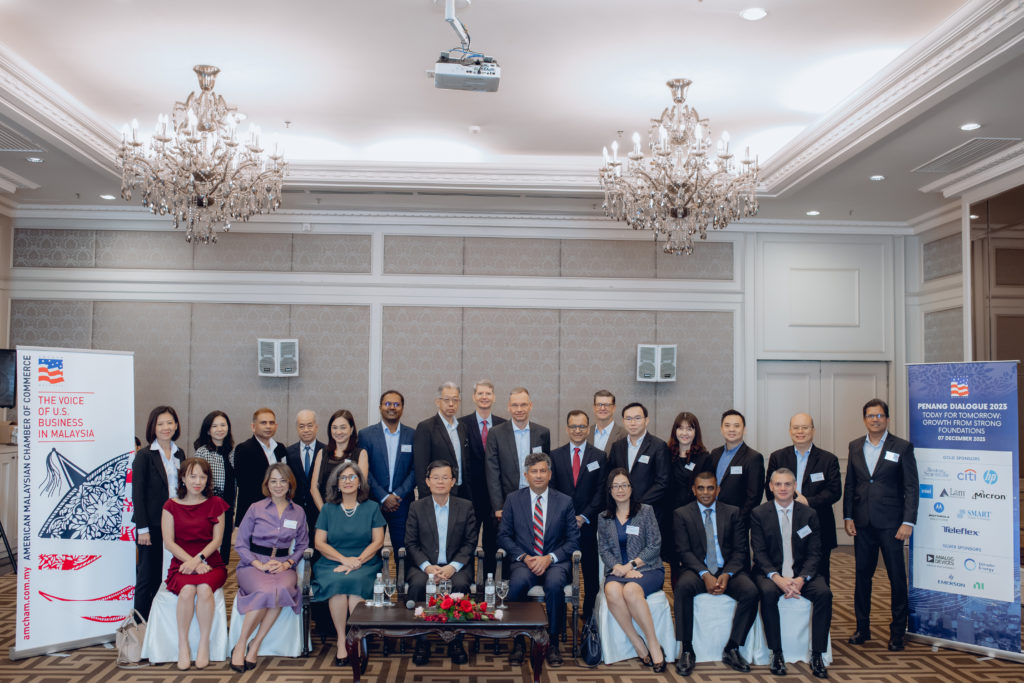
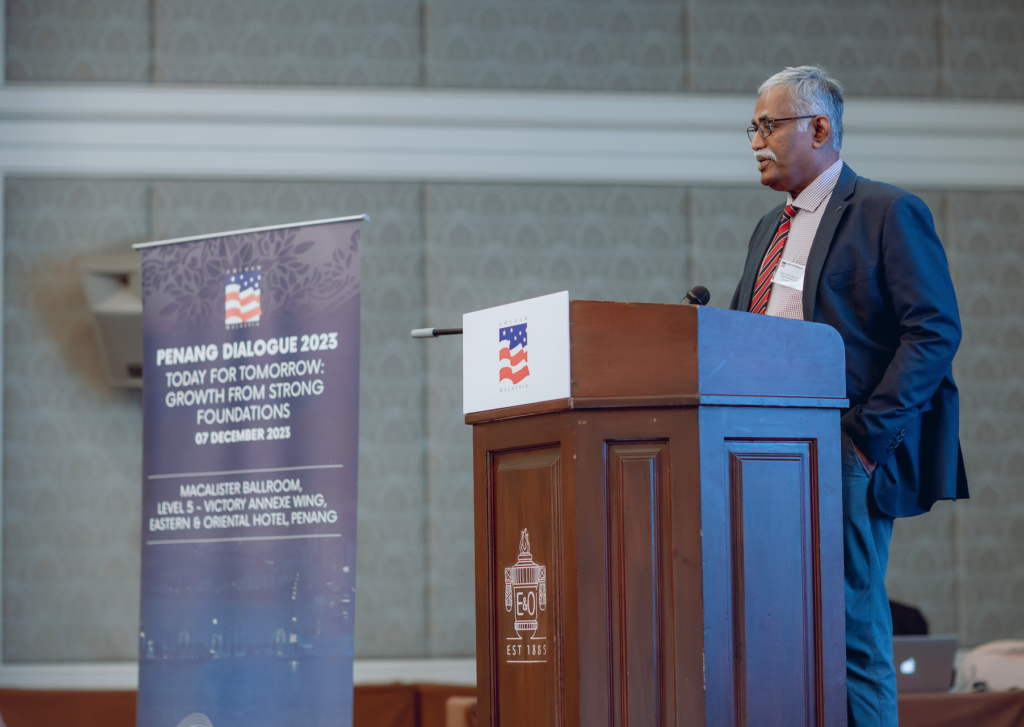
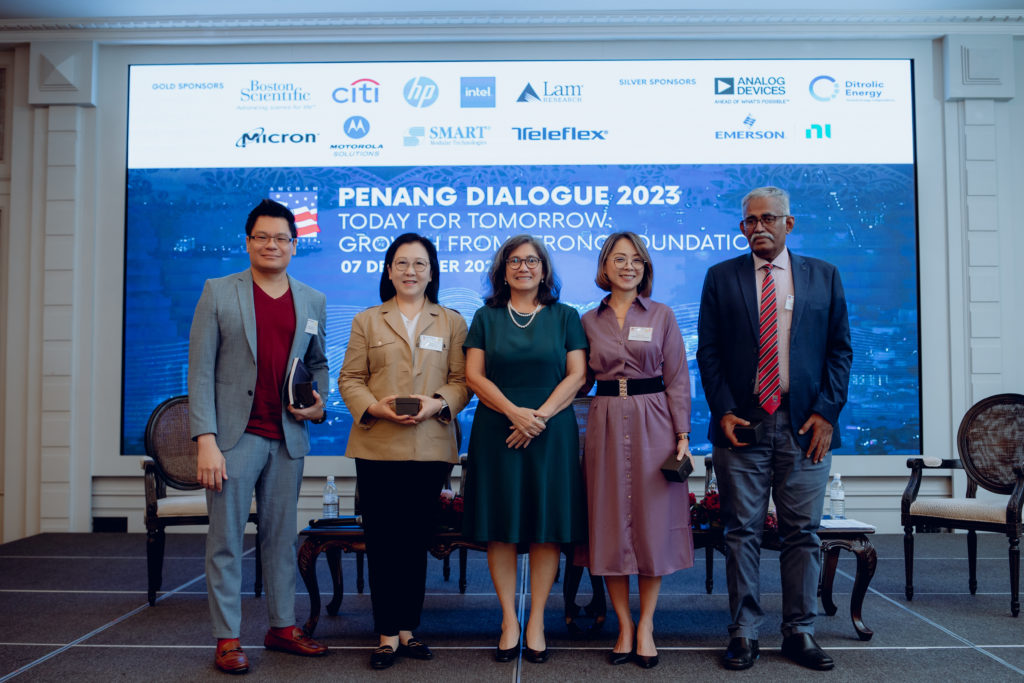
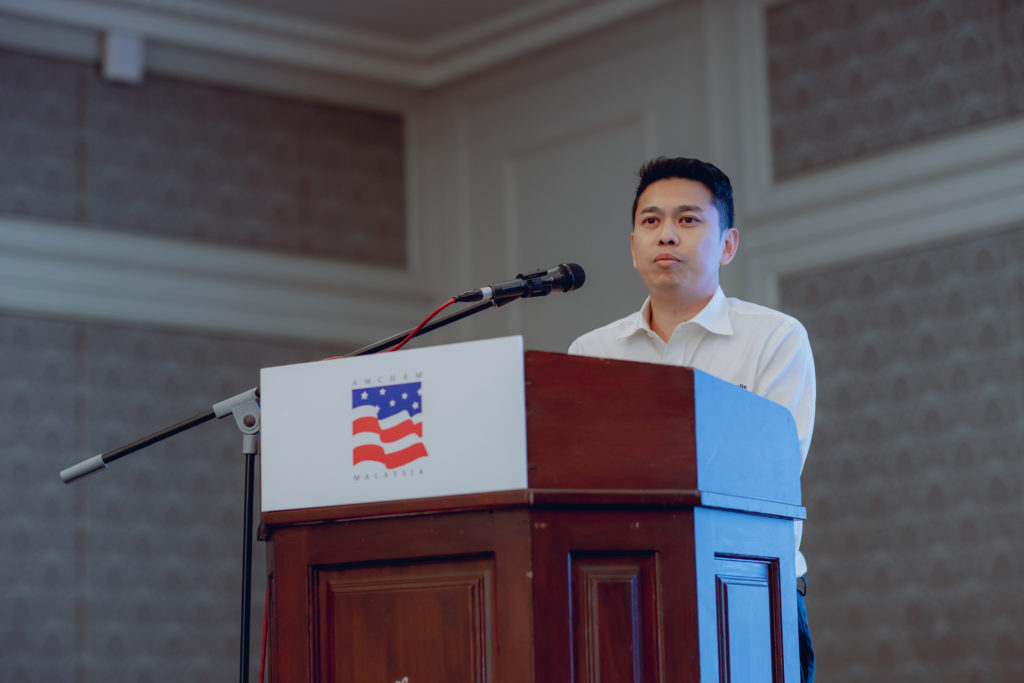
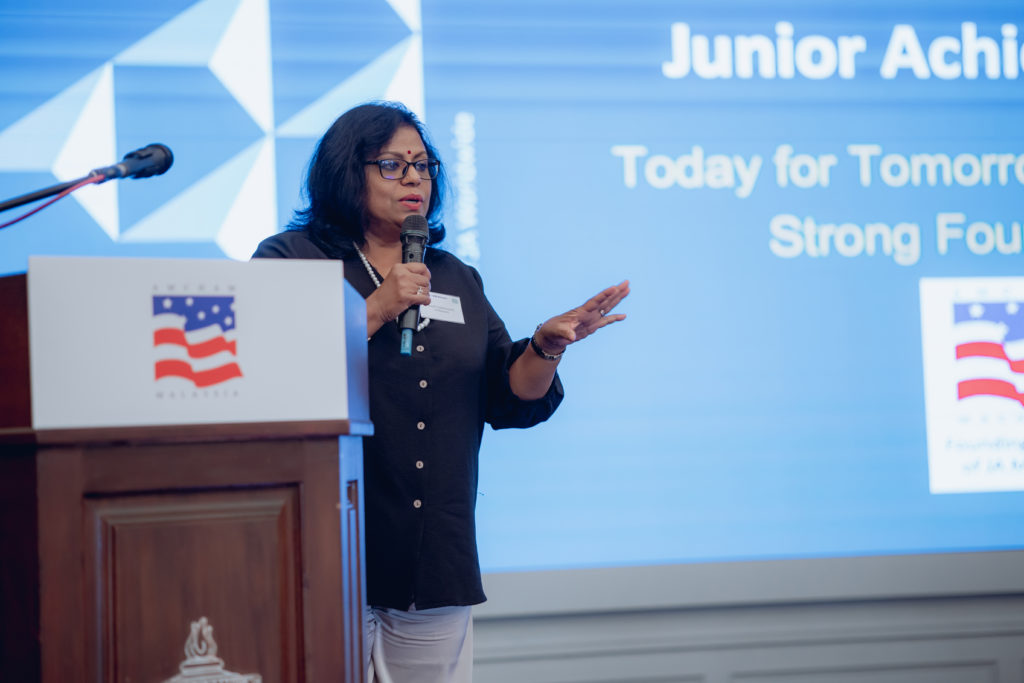
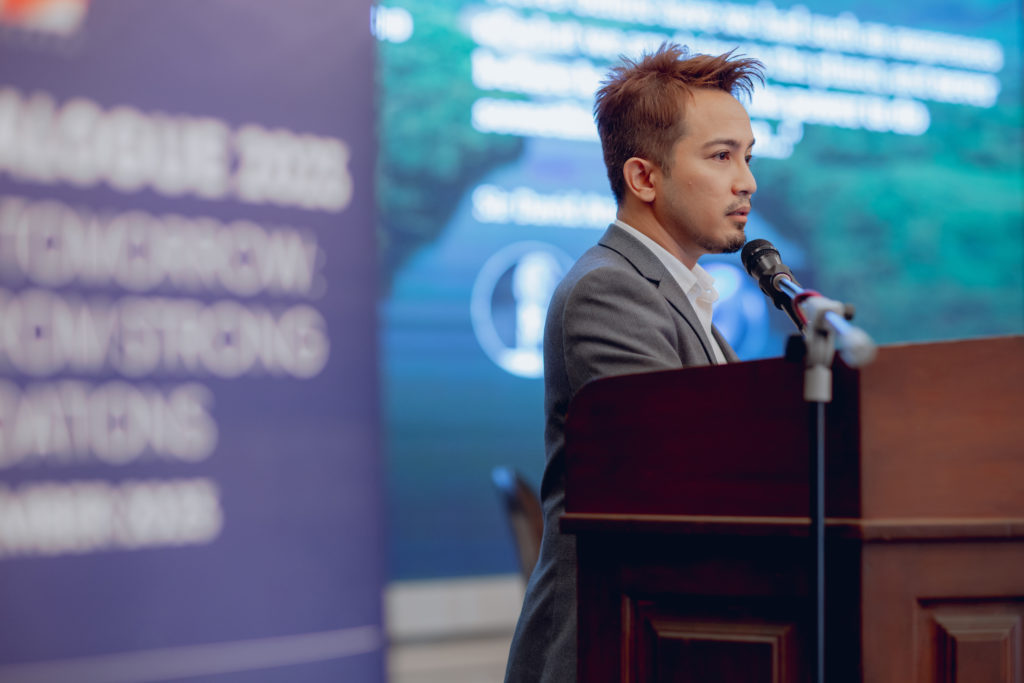
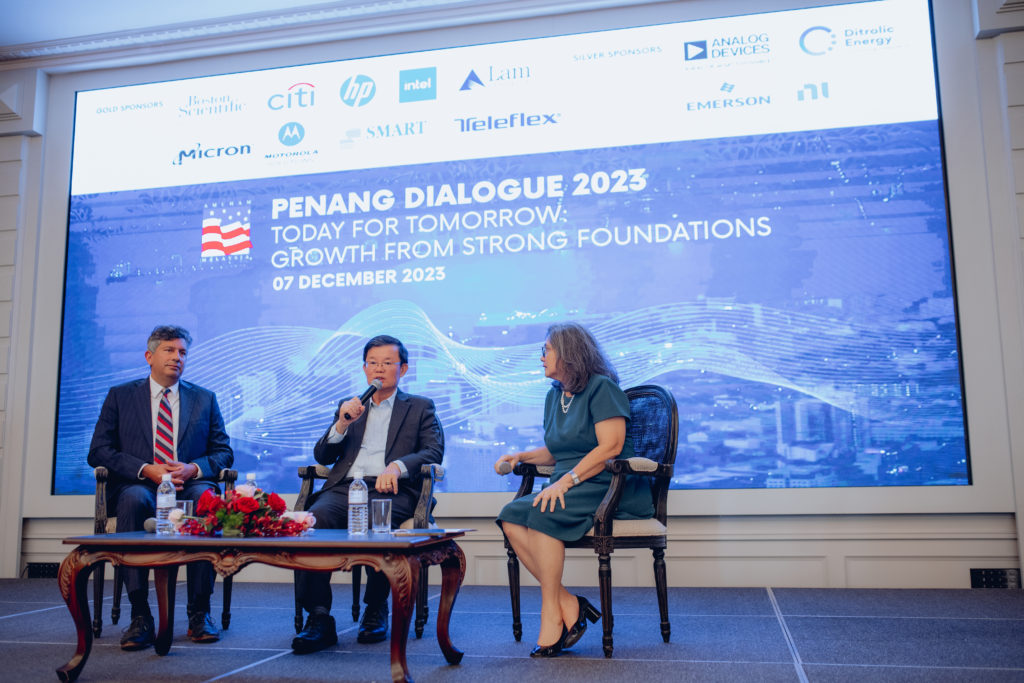
On 8 December 2023, AMCHAM held its annual Penang Dialogue at the Eastern & Oriental Hotel. This year’s theme – “Today for Tomorrow: Growth from Strong Foundations” explored how Malaysia can forge ahead. This year’s event was once again graced by the presence of Y.A.B. Tuan Chow Kon Yeow, Chief Minister of Penang, and joining him was Manu Bhalla, chargé d’Affaires of the Embassy of the United States of America.
We had a stimulating ensemble of speakers and panelists, from industry to academia, to tackle the theme of 2023 with discussions on technology, sustainability and circular economy, and the various other factors affecting the ever-changing landscape of business and policy.
Dato’ Professor Ulung Dr. Rajah A/L Rasiah, Distinguished Professor of Economics, Asian Europe Institute (AEI), University Malaya provided the keynote address and presented on “Driving Innovation for a Sustainable Future”. He then proceeded to join Suresh Kumar Dass, Vice-President, Design Engineering, GM, Intel Malaysia Design; Isabel Fan, Regional Director, Tesla; and Soon Kuek, Managing Director, Lam Research. Iqbal Shamsul, CEO, nanoSkunkWorkX, moderated the session. Continuing from Professor Dr. Rajah’s presentation, this panel explored the advancement through technology in the business world and its impact on Malaysia. Panelists went into the challenges in technology adoption as well as how Malaysian businesses can leverage these technologies in preparation for the future.
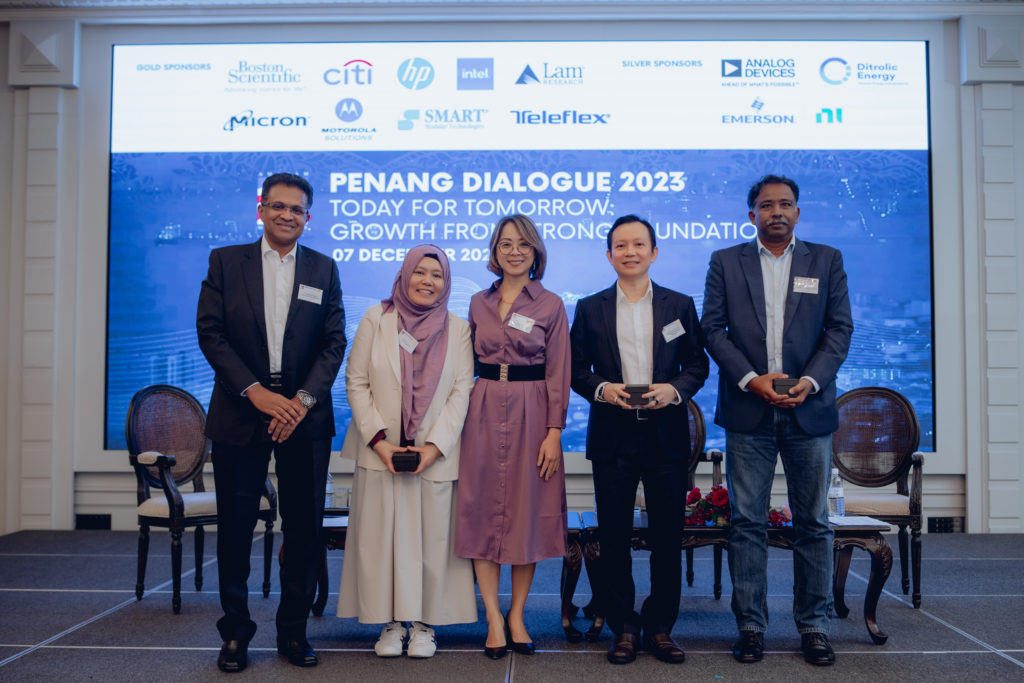
The second panel discussion of the day featured a robust discussion on achieving a circular economy in Malaysia with Balan Shanmuganathan, Sr Engineering Director Sustainability, Seagate; Lim Yeong-Chuan, Country President for Malaysia and Singapore, Honeywell; and Dr. Amani Salim, Founder & CTO, nanoSkunkWorkX, moderated by Pragalathen Krishnan, Vice President Finance-Global Operations, Facilities & Gross Margin Improvement, Advanced Energy industries.
The centerpiece of the event was the dialogue between the Chief Minister of Penang and the U.S. Embassy in Malaysia. The dialogue under the theme of “Today for Tomorrow” looked into the future of Penang and Malaysia, addressing the huge amounts of investment coming into Malaysia from the U.S. and the talent pool needed to keep up with it.
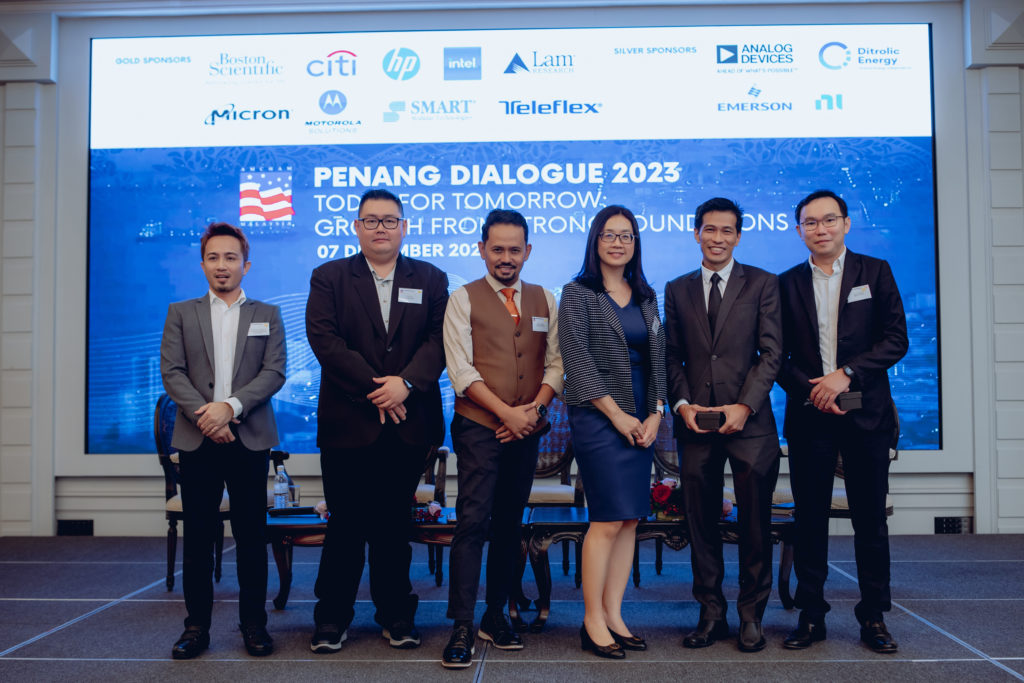
This year also featured Special Presentations by Wilson Puon, Head of Integrated Clean Energy Solutions, Ditrolic Energy; Shanthi Kanthaswamy, Executive Director, JA Malaysia; and Syed Fairul Al-Mashoor, Consulting, Director for Corporate Sustainability and Climate Change, ERM Malaysia.
Syed then proceeded to join in the final panel discussion of the day along with fellow panelists – LH Tan, Director of Strategic Procurement, Ni Malaysia; Tham Chee Aum, Group CEO, Ditrolic Energy; and Liong Chian Min, Managing Director, Renesas Electronics Penang. This session delved into the role MNCs could play in enabling Scope 3 Compliance for SMEs.
A very big thank you to everyone who participated in this event. Special thanks to our Gold Sponsors – Boston Scientific Medical Devices (Malaysia), Citi Malaysia, HP Malaysia Manufacturing, Intel Malaysia, Lam Research International, Micron Malaysia, Motorola Solutions Malaysia, Smart Modular Technologies, and Teleflex Medical. And our Silver Sponsors – Analog Devices, Ditrolic Energy, and NI Malaysia. Thank you to Starbucks for being the beverage sponsor once again and to the team at E&O Hotel, Penang, for all the support.
A new white paper by Standard Chartered, Resetting Globalization: Catalysts for Change, has revealed that 88% of global business leaders, including those in Malaysia, agree that globalization is succeeding across the five underlying pillars of trade, capital, technology, talent, and sustainability.
In Malaysia, business leaders express the most confidence in the role of capital in globalization (75%), although 11% believe the flow of capital worldwide should be controlled, the highest among surveyed markets.
Malaysian business leaders, more than their peers in other markets, are likely to say that international trade has been good for only a few economies (52%). However, over 80% acknowledge that globalization has built more resilient supply chains, and globalized services have created significant opportunities in the country.
Leading engineering, design and architecture firm Haskell is keen to partner with Malaysian companies to encourage the transfer of knowledge and technology locally.
Headquartered in Jacksonville, Florida in the United States, Haskell specialises in design-build, engineering, procurement and construction management, project management and engineering services. Its primary focus lies in serving industries such as food and beverage (F&B), consumer packaged goods, aviation and life sciences.
For decades, export manufacturing has played a critical role in powering socioeconomic development across Southeast Asia. The region has continued to show remarkable and sustained growth in recent years despite numerous headwinds. This is creating robust demand for logistics to support the needs of the region’s increasingly diversified economies.
Rise of Southeast Asia in the global supply chain
Southeast Asia is fast becoming the world’s 5th largest economy[1]. ASEAN has a range of well-established manufacturing clusters, including electronics in Malaysia and Vietnam, automobiles and packaged foods in Thailand, machinery and petrochemicals in Indonesia, apparel and processed foods in the Philippines, and semiconductors, biopharmaceuticals, and aerospace components in Singapore.
The emerging economies of Southeast Asia have long been destinations for manufacturers seeking abundant cost-effective labor, while Singapore has served as a hub for high-value R&D-intensive industries and trade-supporting services such as finance and logistics.
But now the region’s manufacturing sector is even more globally competitive creating opportunities to move up the value chain. Singapore, Malaysia, and Vietnam are among the countries that have made advanced manufacturing a priority harnessing Industry 4.0 technology and systems.[2]
Southeast Asia holds expansive potential and plays a key role in bolstering interconnectivity for intra-Asia and Asia-Europe trade. Major trade deals like the ASEAN Free Trade Agreement (AFTA)[3], Regional Comprehensive Economic Partnership (RCEP) and the EU – Vietnam Free Trade Agreement (EVFTA), have already been improving access to trade in Asia as well as intercontinental trade.
Diversified economy in Vietnam presents new opportunities
Vietnam is a good example of the changes being seen across the region. The country’s economic diversification has made it a hothouse for growth. Textiles and apparel remain a strength and there has been a notable shift in production activities toward heavy manufacturing, which includes industries like electrical, machinery, and transport equipment.[4] But it is the rapidly developing semiconductor ecosystem encompassing design, foundry, and packaging that is elevating its standing in the global supply chain. This has been driven by strong government support and policies, and a dynamic workforce of more than 30,000 highly skilled engineers and technicians.
The country has recorded technology export growth that no substantial Asian rival has matched. High-tech goods as a share of exports hit 42% in 2020, up from 13% in 2010.[5] With strong economic expansion projected over the next decade, Vietnam’s GDP is forecast to rise from USD 327 billion in 2022 to USD 760 billion by 2030.
One outcome has been an increased demand for air cargo transportation to serve the tech industry’s need for greater shipping capacity and faster transit times.
Enhance manufacturing efficiency with improved logistic network integration
For high-end manufacturers in Southeast Asia, logistics has become a business challenge impacting profit margins. In Vietnam, logistics costs were estimated to be equivalent to 20% of its GDP in 2021. That is a higher number than an average 12.9% in Asia and 10.8% globally, according to a 2021 report from Vietnam Industry Research and Consultancy. Investment in hard infrastructure such as highways, airports and seaports will lower these costs, and there are many major projects in progress. For businesses, lower logistics costs can be gained by working with smart logistics partners who have the network to support cross-border trade and help capture new growth opportunities.[6]
As the pace of business accelerates faster delivery is critical for the region’s exporters. Leading logistics players like FedEx are working to speed up intercontinental services between markets in Southeast Asia to the rest of the world. For example, FedEx recently introduced a new evening flight flying four times a week from Ho Chi Minh City connecting Asia and Europe through their Asia Pacific Hub in Guangzhou, China. Exporters shipping from Southern Vietnam will benefit from faster transit times for shipments to major Asian markets in just one business day, and two business days to Europe. These new flights offer additional capacity on top of the current five flights to Asia, Europe, and the US bringing the total to nine weekly flights departing from Ho Chi Minh City.
In addition to new flights, FedEx is also investing in infrastructure to meet customer needs. This includes the opening of its new bonded warehouse in Batam, Indonesia which will enable faster clearance of free trade zone shipments and enhance transit times, as well as its new gateway facility at Clark in the Philippines.
As the workforce becomes increasingly highly skilled and manufacturing capabilities develop further, Southeast Asia’s logistics network also needs to continue to evolve to sustain it. Increased capacity and connectivity is critical to support the growth momentum the region has already achieved as its exporters move further up the value chain. Only then can the region reach its full potential.
[1] https://www.business-sweden.com/contentassets/c5d9f4d114f14219a3f0be9c3ac80145/the-rise-of-the-southeast-asian-tigers.pdf
[2] https://www.bcg.com/publications/2021/asean-manufacturing
[3] S&P Vietnam Economy Commentary October 2023
[4] https://blogs.worldbank.org/developmenttalk/beyond-products-role-export-activities-driving-development
[5] https://asia.nikkei.com/Spotlight/The-Big-Story/Vietnam-s-battle-to-climb-the-global-value-chain
[6] https://asia.nikkei.com/Spotlight/The-Big-Story/Vietnam-s-battle-to-climb-the-global-value-chain
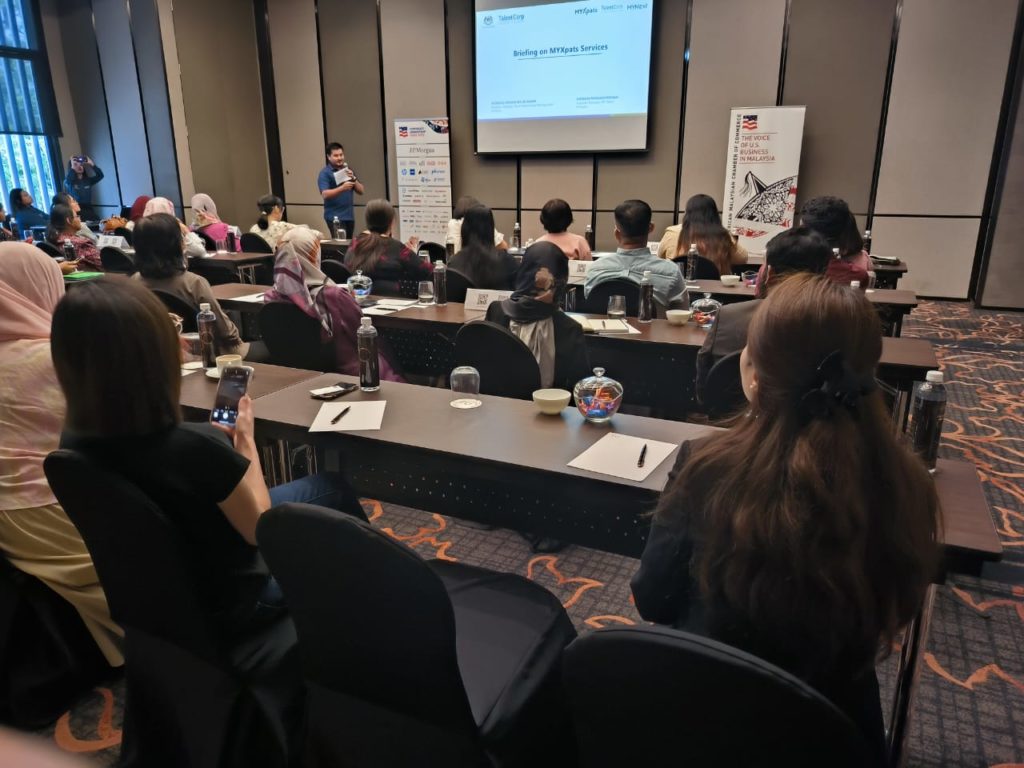
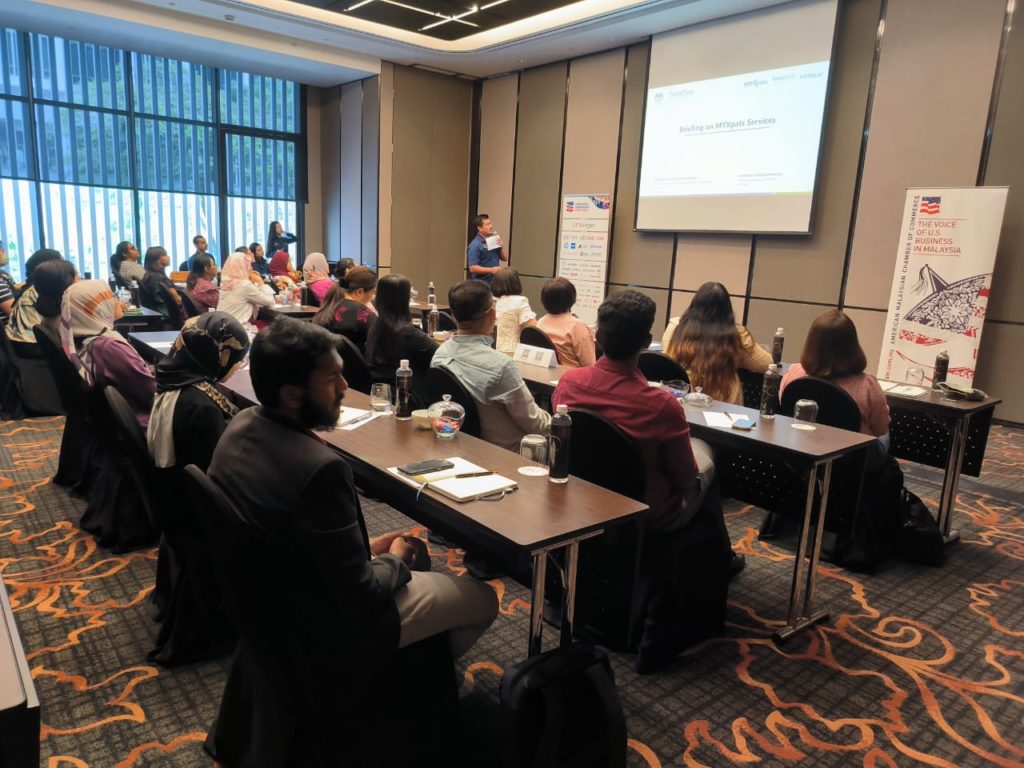
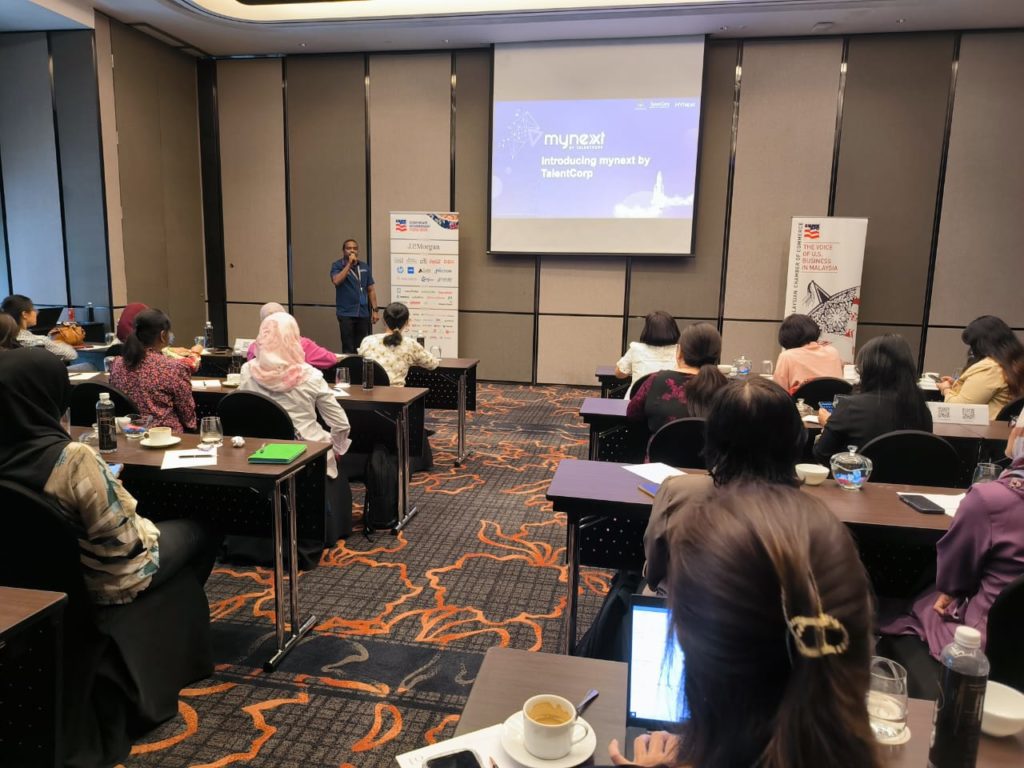
On 23 November, AMCHAM in collaboration with MYXpats held a briefing session by TalentCorp Group at the EQ Hotel Kuala Lumpur. This session was open exclusively to members and featured speakers from TalentCorp Berhad and MyNext Sdn. Bhd.
The session was conducted by Asyraful Munzir Ar Alhan Assistant Manager, Client Relationship Management (CRM) at MYXpats, c/o: Talent Corporation Malaysia Berhad; Assistant Manager, Residence Pass-Talent Stage 2 at MYXpats, c/o: Talent Corporation Malaysia Berhad; Nakeeran Marimuthu, Manager, Business Development MyNext at MyNext Sdn. Bhd.; and TS Dr Madhavan Nair, Head, MYNext Operations at MyNext Sdn. Bhd.
Speakers went over the various programs at TalentCorp, the MYXpats Gateway platform, and MYNext, a new initiative by TalentCorp that forms a vital link between education and future employability.
Attendees had the opportunity to raise questions directly to the representatives from TalentCorp and MYNext and network with them. Thank you to all our speakers for conducting the session.