United Airlines reached a record at Newark Liberty International Airport (EWR), flying over six million passengers on time — the most in its history. Its Connection Saver technology helped 28,000 travelers make tight connections. United will serve 160+ destinations from EWR this fall and winter, hire 2,500 new employees by 2026, and lead sustainability efforts as the first airline to use sustainable aviation fuel (SAF) at EWR.

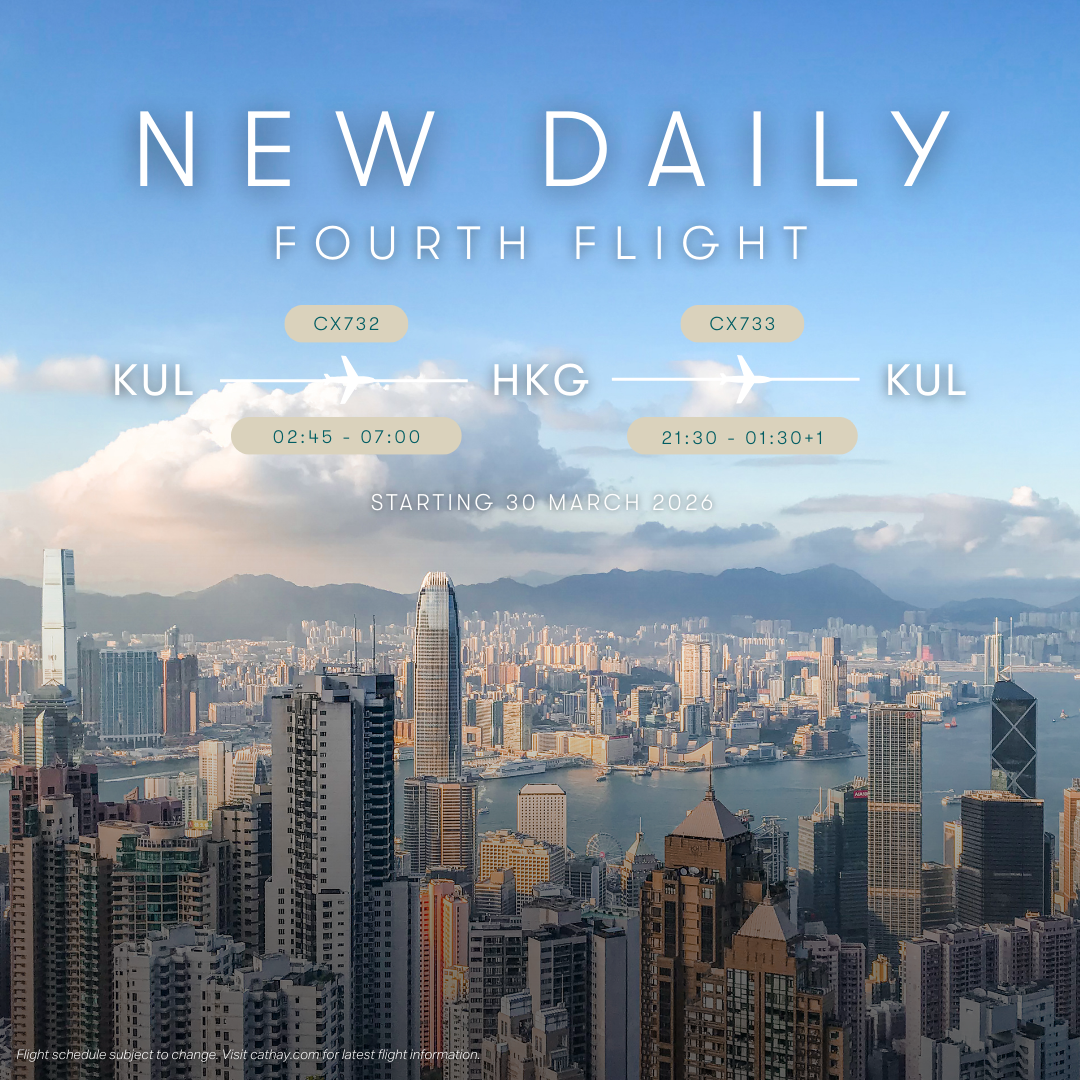
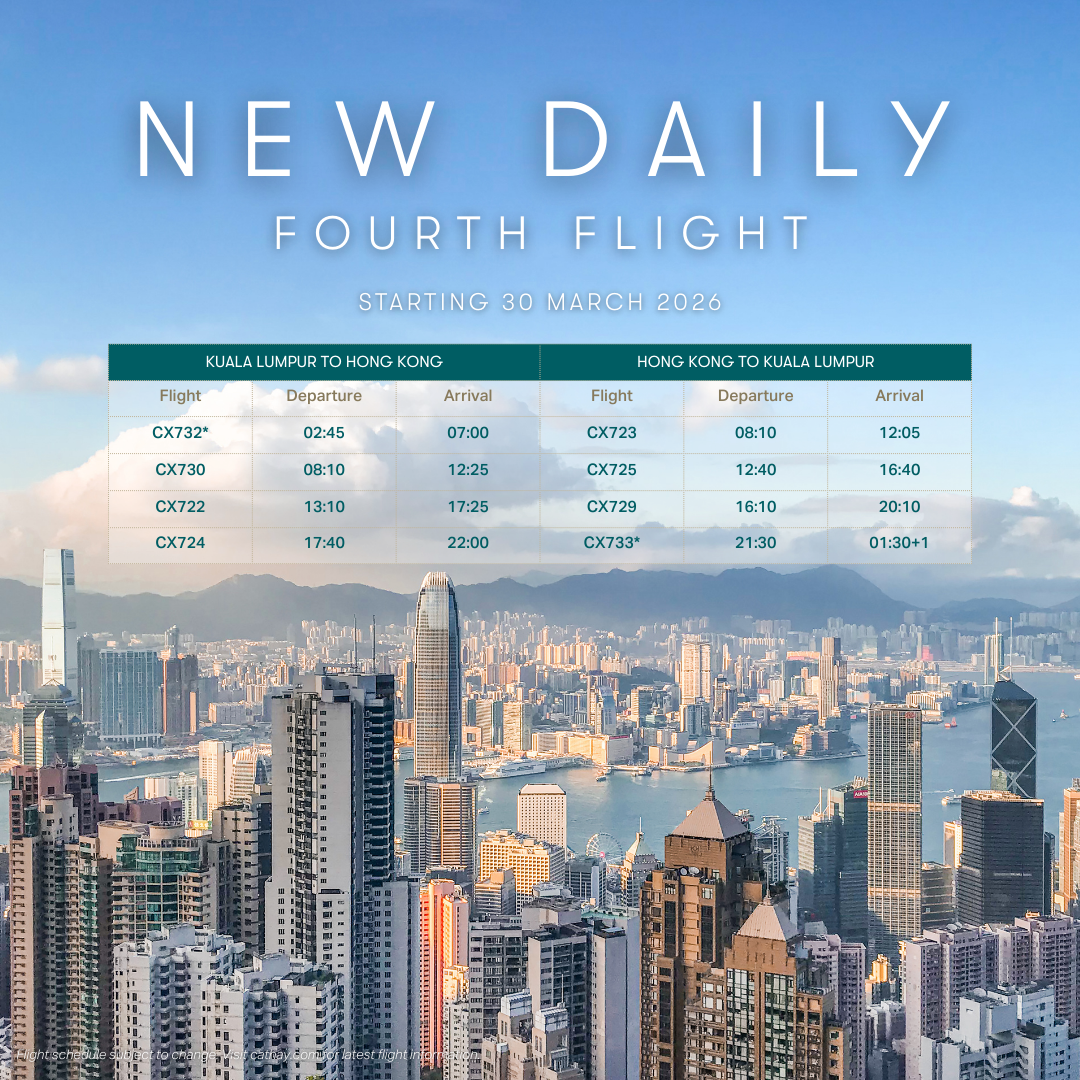
Cathay Pacific is pleased to announce the introduction of a fourth daily flight from Kuala Lumpur to Hong Kong, commencing 30 March 2026. This expansion will provide travellers from Malaysia with enhanced connectivity and more same-day connection options across our global network via our Hong Kong home hub.
SINGAPORE, January 26, 2026 — Federal Express Corporation (FedEx), one of the world’s largest express transportation companies, shared key findings from its Asia Pacific (APAC) survey of consumers and businesses on sustainability and cross-border trade, highlighting emerging areas of focus for businesses across the region.
The survey shows that 80% of APAC Small and Medium Enterprises (SMEs) consider environmental concerns when trading with Europe, with sustainability playing a bigger role in logistics decisions. Southeast Asian markets are leading this trend, with over 55% of SMEs in Malaysia and Indonesia prioritizing sustainability in their supply chain choices. This highlights rising awareness and action on environmental issues among businesses and consumers in the region.
Consumers Pushing Businesses to Incorporate Sustainability into Operations
Consumers are driving demand for sustainable practices, with 84% of APAC consumers pushing businesses to develop eco-friendly online shopping options. Environmental responsibility is becoming a key differentiator, influencing purchasing decisions:
- 81% of APAC consumers prefer companies that appear to operate more sustainably compared to competitors offering similar products without the same visible operational integrations of sustainability.
- While product integrity and competitive pricing remain key preferences for online shoppers, nearly four in ten APAC consumers are willing to pay premium prices for sustainable packaging.
As environmental awareness grows, businesses are taking note. Sustainable practices are no longer a nice to have, but a must-have for companies to stay competitive in the digital marketplace. Companies are seeing consumers factor in environmental values to their spending decisions, which could directly impact their bottom line.
“We are seeing sustainability shifting from a compliance checkbox to a key driver of growth, resilience, and differentiation in global commerce,” said Salil Chari, regional president, Asia Pacific, FedEx. “At FedEx, we are committed to supporting this shift, aiming for carbon-neutral operations globally by 2040. We are innovating our services, optimizing our network, and providing smarter digital tools to help businesses turn sustainability ambitions into action, enabling lower-emission shipping decisions that strengthen competitiveness and can reduce environmental impact.”
Reimagining Operations for More Sustainable Logistics
FedEx is stepping up to meet the growing demand for sustainable logistics, investing in cutting-edge technologies and infrastructure that reduce environmental impact while boosting operational efficiency.
One example is the company’s AI-powered Stops Sequencing tool, which optimizes delivery routes in real time based on package volume and customer specifications. By intelligently planning delivery sequences and minimizing unnecessary mileage, it has the potential to reduce carbon emissions, while simultaneously improving operational efficiency[1].
In addition, FedEx provides customers with the visibility needed to make informed sustainability decisions. FedEx® Sustainability Insights, a cloud-based platform, provides enhanced transparency into environmental impact. Using near-real-time FedEx network data, the tool estimates CO2e emissions for both individual tracking numbers and entire FedEx shipping accounts. Customers can access historical emissions data and search by tracking numbers via their FedEx.com login.
On the aviation side, FedEx recently began using sustainable aviation fuel (SAF) at Chicago O’Hare and Miami International Airports, marking another step in reducing aviation-related emissions within its global air network. In the last mile, FedEx is transforming urban delivery through fleet electrification. Electric vehicles are now deployed across several APAC markets—including Japan, New Zealand, Singapore, and Thailand—and account for more than 20% of the company’s delivery fleet in China. In Taiwan, electric tricycles have been introduced to better navigate dense urban environments, reducing emissions while improving delivery efficiency.
As cross-border trade continues evolving, the company remains dedicated to delivering faster, smarter, and more sustainable shipping solutions that empower customers to succeed while delivering a more sustainable future.
About the Survey
This online survey was conducted by Milieu Insight in September 2025 across 13 Asia Pacific markets including Australia, New Zealand, China, Hong Kong SAR, Indonesia, Japan, Malaysia, Philippines, Singapore, South Korea, Taiwan, Thailand, and Vietnam. The survey gathered insights from 850 Asia Pacific consumers and 850 SMEs who actively trade with Europe. Click here to download the full report.
[1] https://newsroom.fedex.com/newsroom/amea/fedex-advances-sustainability-initiatives-in-apac-through-operational-enhancements-and-community-engagement
On 29 December 2025, the Energy Commission of Malaysia (‘Energy Commission’) issued the third edition of the Guidelines for Corporate Renewable Energy Supply Scheme (‘CRESS Guidelines’). This latest edition of the CRESS Guidelines came into operation on the same date.
In this update, Skrine outlines the key changes made to the Corporate Renewable Energy Supply Scheme (‘CRESS’) regulatory framework.
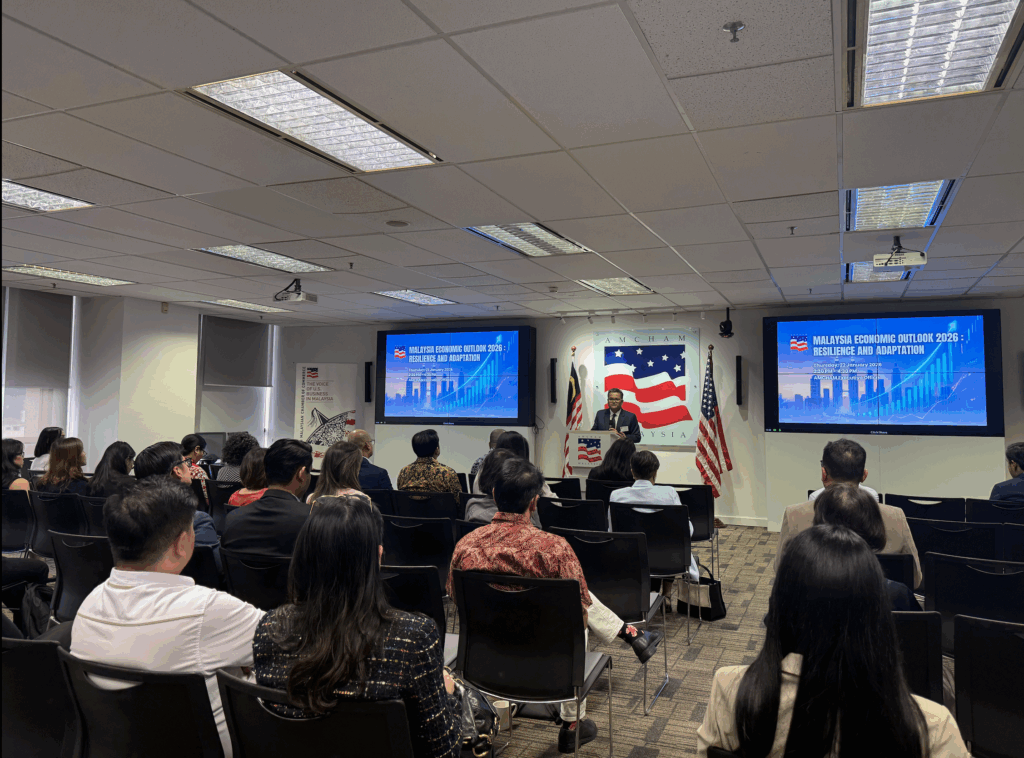
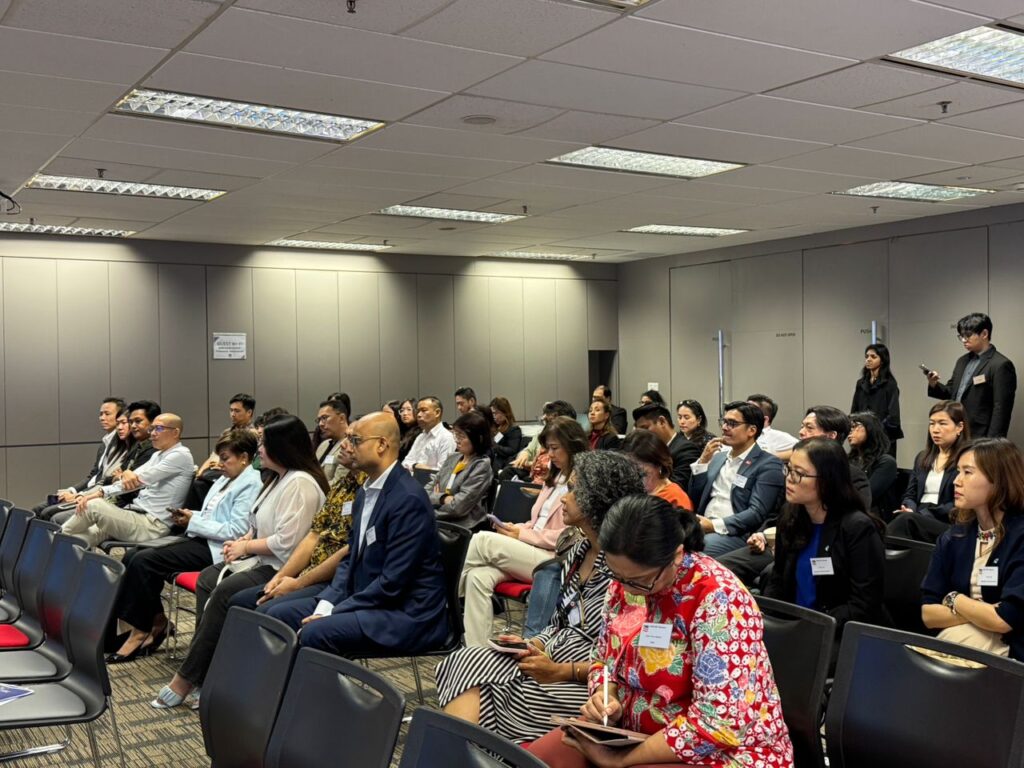
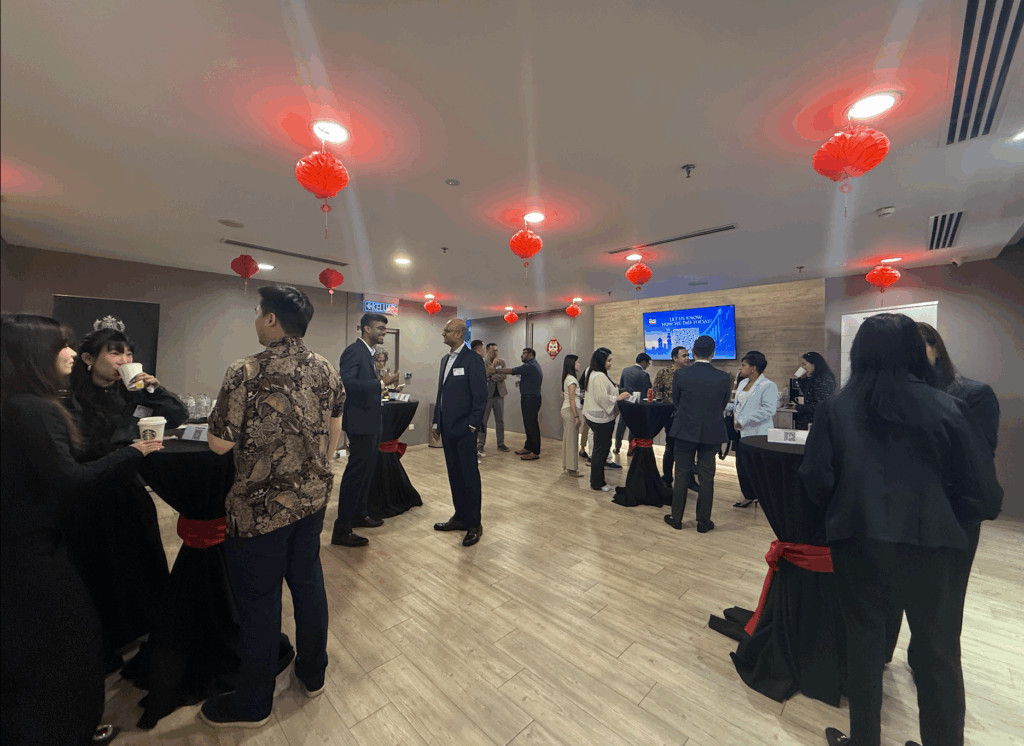
On 22 January 2026, AMCHAM convened the Malaysia Economic Outlook 2026 under the theme Resilience and Adaptation, bringing together business leaders to examine Malaysia’s growth prospects amid an increasingly complex global environment. The programme offered timely insights into national economic direction, market sentiment, and regional dynamics shaping the year ahead.
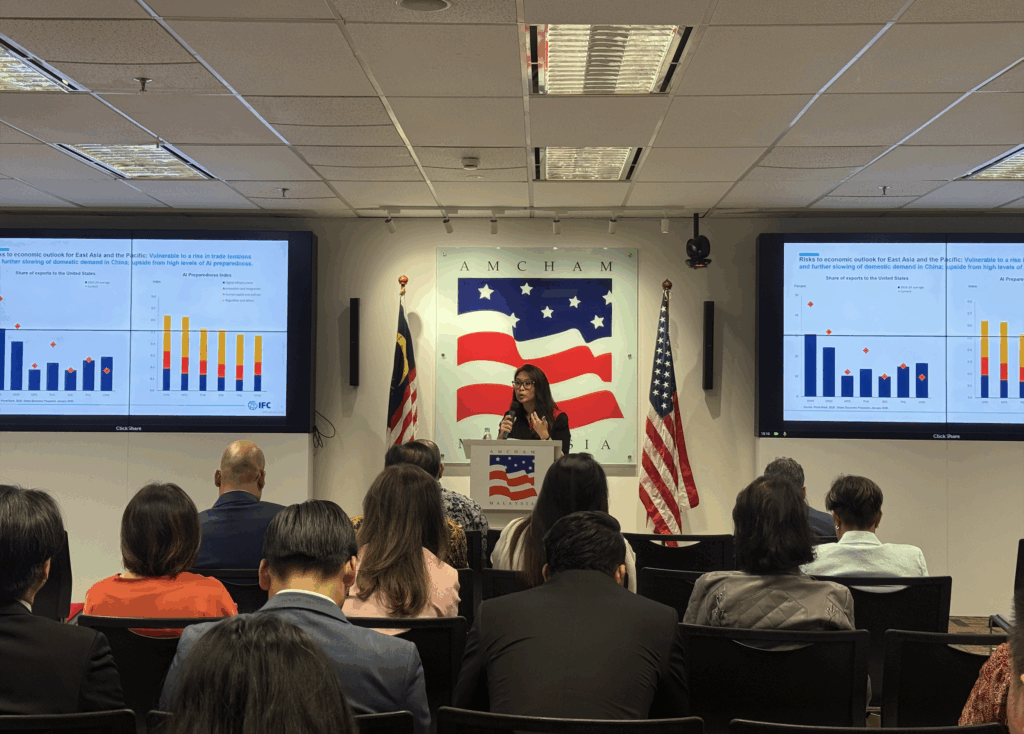
The session featured expert perspectives from Rahul Bajoria, Managing Director and Head of India and ASEAN Economic Research at Bank of America, and Amanda Tan, Senior Country Officer at the International Finance Corporation (IFC), who shared their outlook on what lies ahead for businesses in 2026.
Rahul opened the programme with an in-depth presentation on ASEAN Outlook: Resilience Amidst Volatility, covering global and regional economic forecasts, the state of supply chains amid geopolitical shocks, the potential impact of AI on growth and labour markets, and Malaysia’s economic trajectory.
Amanda followed with a comparative assessment of Malaysia’s economic performance relative to its regional peers, highlighting key growth drivers for 2026, emerging risks and opportunities, and overall business sentiment against a backdrop of heightened global uncertainty.
Both speakers later joined a fireside discussion moderated by Hasnul Nadzrin Shah, Director of Government Relations at AMCHAM, exploring Malaysia’s growth outlook, policy environment, cost of doing business, and the realities facing businesses moving forward. The consensus was that there was cautious optimism for growth anchored on policy consistency and clarity. Possible impediments may come in the form of political uncertainty as Malaysia moves into an election cycle in 2028.
Thank you to our distinguished speakers for a highly insightful and timely discussion. Here’s to navigating 2026 with clarity, resilience, and optimism.
SINGAPORE, January 20, 2026 — Federal Express Corporation (FedEx), one of the world’s largest express transportation companies, has announced the appointment of Salil Chari as the new president of its Asia Pacific (APAC) region.
Salil Chari, previously senior vice president of Marketing and Customer Experience APAC, FedEx, assumed his new role on January 1, 2026. He succeeds Kawal Preet, who has transitioned to a new role as executive vice president (EVP), Planning, Engineering, and Transformation.
As regional president, Chari is responsible for the shaping strategic direction of the business and leading a team of nearly 30,000 across APAC to drive profitable growth, deliver outstanding customer experiences and advance operational excellence throughout the region.
“I am excited to welcome Salil as the new president of Asia Pacific, marking an exciting new chapter for our APAC business,” said Richard W. Smith, chief operating officer, international and chief executive officer, airline, FedEx. “Salil brings exceptional multi-regional leadership experience and a passion for delivering value to customers. With his deep understanding of the region, I am confident he will lead our APAC business to new heights and reinforce the region’s importance to our global growth. Thanks to Kawal for her exceptional leadership; she will continue to advance our global transformation efforts.”
Salil exemplifies FedEx long-standing practice of nurturing talent from within. He began his FedEx career in 1997 as a marketing analyst in Memphis. U.S. Through successive leadership roles across Latin America and the Caribbean, the Asia Pacific and Middle East, Indian Subcontinent and Africa, he has demonstrated a deep commitment to elevating customer experience and empowering businesses to expand their global reach and capture new market opportunities.
“It is an honor to lead such a talented team in a region that sits at the center of global trade,” said Salil Chari, regional president, Asia Pacific, FedEx. “Asia Pacific is home to some of the world’s most dynamic and fast-evolving trade corridors, creating powerful opportunities for businesses of all sizes to grow and compete globally. As we build on our strong foundation, my priority is to strengthen resilience, accelerate growth and deepen the role FedEx plays as a valued partner for our customers and communities. With the unwavering commitment of our team members who live the Purple Promise every day to make every customer experience outstanding we will continue to connect businesses with new possibilities, drive innovation, and enable global trade in an ever-evolving marketplace.”