What Elite Athletes Do on Their Rest Days — And Why You Should Copy Them

If you asked most people to picture an elite athlete’s day, they would imagine a match, a training session, a weight room, and maybe a dramatic-looking recovery shake.

Dr Luigi Gratton, VP of Health and Wellness, Herbalife, said, “Here is the truth I have learned in years of working with sports performance nutrition: the habits that make elite athletes’ ‘elite’ are not the flashy ones. They are the small, repeatable things the best players in the world do on the days no one is watching. On a Tuesday. On an off-day. On the second week of the off-season. The Repeat pillar of performance — the part that happens when you are not competing — is where most of the work gets done.”
And the good news is that the habits that sustain a professional career are the same habits that sustain a healthy, energetic life for the rest of us. You do not need to train like a pro to eat and live like one.
Here are the habits Dr Luigi Gratton see elite athletes repeat, week in and week out — and how to scale them to a normal life.
Habit 1: Protein at every meal
Dr Luigi Gratton shared, “The best athletes I work with do not treat protein as a post-workout afterthought. They spread it across the day — roughly 20 to 40 grams every three to four hours, with a target of around 30 grams in the window around training. That might be eggs and Greek yogurt at breakfast, a chicken or fish lunch, a shake or a bar as a snack, and a protein-anchored dinner.”
Why does this matter for an everyday reader? Because protein is not just about building muscle. It is about maintaining it as we age, supporting immune function, producing enzymes and hormones, and feeling full enough to make good food choices across the day. Spread it out, and you get all of those benefits in a way that feels effortless.
Habit 2: Carbs that match the workload
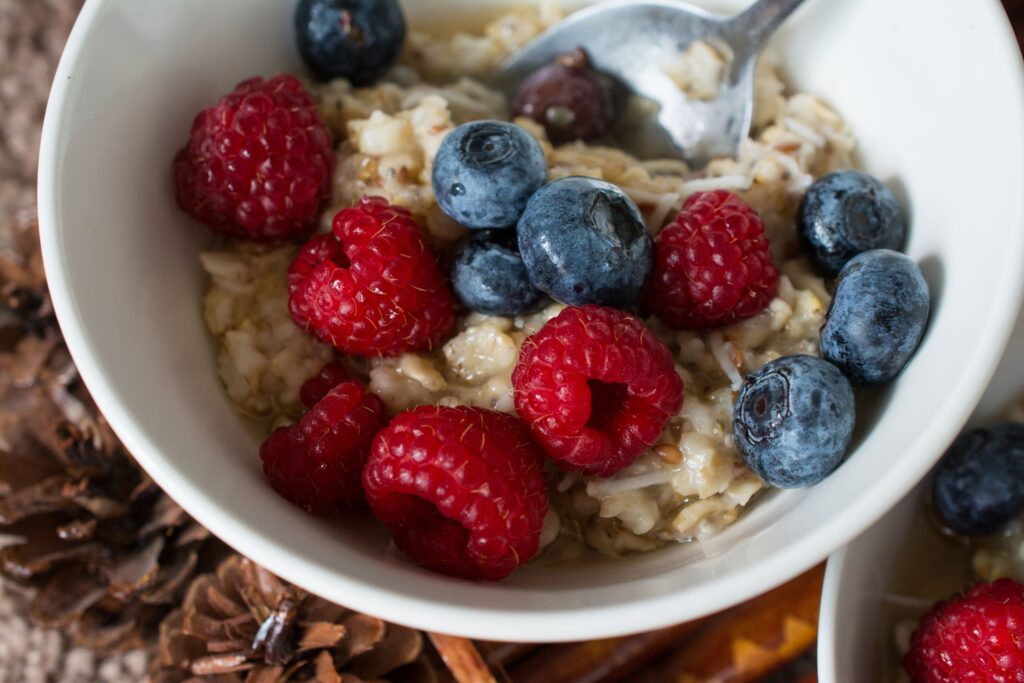
Elite athletes do not fear carbohydrates — but they also do not eat them randomly. They match intake to activity. After a hard training session, they target 50 to 75 grams of carbohydrate within the hour, often from simple everyday foods: a peanut butter and jelly sandwich, a bowl of cereal with milk, a flavoured yogurt, chocolate milk, a granola bar. On lighter days, they scale the intake down.
For most readers, the lesson is the same: your carbohydrate needs follow your activity level. A training day and a rest day are not the same day, and your plate should reflect that.
Habit 3: Hydration on a schedule
Dr Luigi Gratton said, “A simple rule I teach: drink at least half of your body weight (in pounds) in ounces of fluid per day as a baseline. A 160-pound person targets 80 ounces. For every hour of sweat-heavy exercise, add another 20 to 30 ounces. This is not complicated math, and it is more reliable than waiting until you are thirsty — which is, by definition, waiting until you are already behind.”
“As a general guideline, the Malaysian Dietary Guidelines recommend consuming 6 to 8 glasses of plain water per day, with each glass containing approximately 250 millilitres[1]. And if you are training hard or in heat, plain water is not enough. You need sodium, and ideally some potassium, to actually hold fluid in the body,” he added.
His advice aligns with the Malaysian Health Ministry’s guidance, which emphasises starting exercise well-hydrated and replacing fluids according to individual thirst, sweat loss and environmental conditions, rather than following a one-size-fits-all recommendation.[2]
Habit 4: Sleep is not optional
Of all the habits elite athletes share, this is the one that is most often imitated poorly and most often ignored entirely. Seven to nine hours. Every night. Not a suggestion — a non-negotiable part of the programme. While this habit is essential for athletic performance and recovery, getting at least seven hours of sleep per night on a regular basis is also recommended for adults aged 18 to 60 years to support optimal health[3].
Sleep is when the body releases growth hormone, when muscle tissue repairs, when the nervous system resets, and when the brain consolidates learning. Athletes who cut sleep to ‘get more done’ end up performing worse, getting sick more often, and recovering more slowly. Same thing happens to the rest of us.
Habit 5: Dark-coloured fruits and vegetables, every day
Not once a week. Every day. Berries, leafy greens, cherries, beets, red grapes, purple cabbage, dark-coloured peppers. These foods deliver the antioxidants that regulate inflammation, support immune function and provide the vitamins and minerals that restore energy. They are not a supplement or a hack. They are the floor.
Habit 6: Active recovery on rest days
A rest day does not mean the couch. The elite athletes that Dr Luigi Gratton work with use their rest days for walking, gentle cycling, yoga, stretching, foam rolling, and other low-intensity movement. Active recovery improves blood circulation, which clears metabolic waste from the muscles, while giving the body room to repair.
The most important thing rest days do is prevent overtraining, chronic fatigue and injury. They are not a pause in the programme. They are part of it.
The real secret
Here is what no one tells you about elite performance nutrition: it is not a secret. It is not complicated. It is not expensive. It is protein at every meal, carbs that match your workload, daily hydration, 8 hours of sleep, dark-coloured produce, and active recovery. Done consistently. Done on the days nobody is watching.
Elite nutrition is not about what you do on match day. It is about what you never skip on a Tuesday.

[1] https://irep.iium.edu.my/103605/2/103605_Key%20Messages%201_Eat%20a%20variety%20of%20foods%20within%20the%20recommended%20servings.pdf
[2] https://irep.iium.edu.my/103605/2/103605_Key%20Messages%201_Eat%20a%20variety%20of%20foods%20within%20the%20recommended%20servings.pdf
[3] https://irep.iium.edu.my/103605/2/103605_Key%20Messages%201_Eat%20a%20variety%20of%20foods%20within%20the%20recommended%20servings.pdf