The 4 Rs of Recovery: What Elite Athletes Do in the First Hour After the Final Whistle
Ask most people what elite athletes eat and they will describe the pre-match meal. The pasta the night before. The banana before warmups. The sports drink on the sidelines.
Almost no one talks about what happens after the final whistle. And that is a problem, because the first hour after training is one of the most important hours in sports nutrition. It is where the damage of the workout gets repaired, where energy stores get refilled, and where the body starts preparing for the next session.

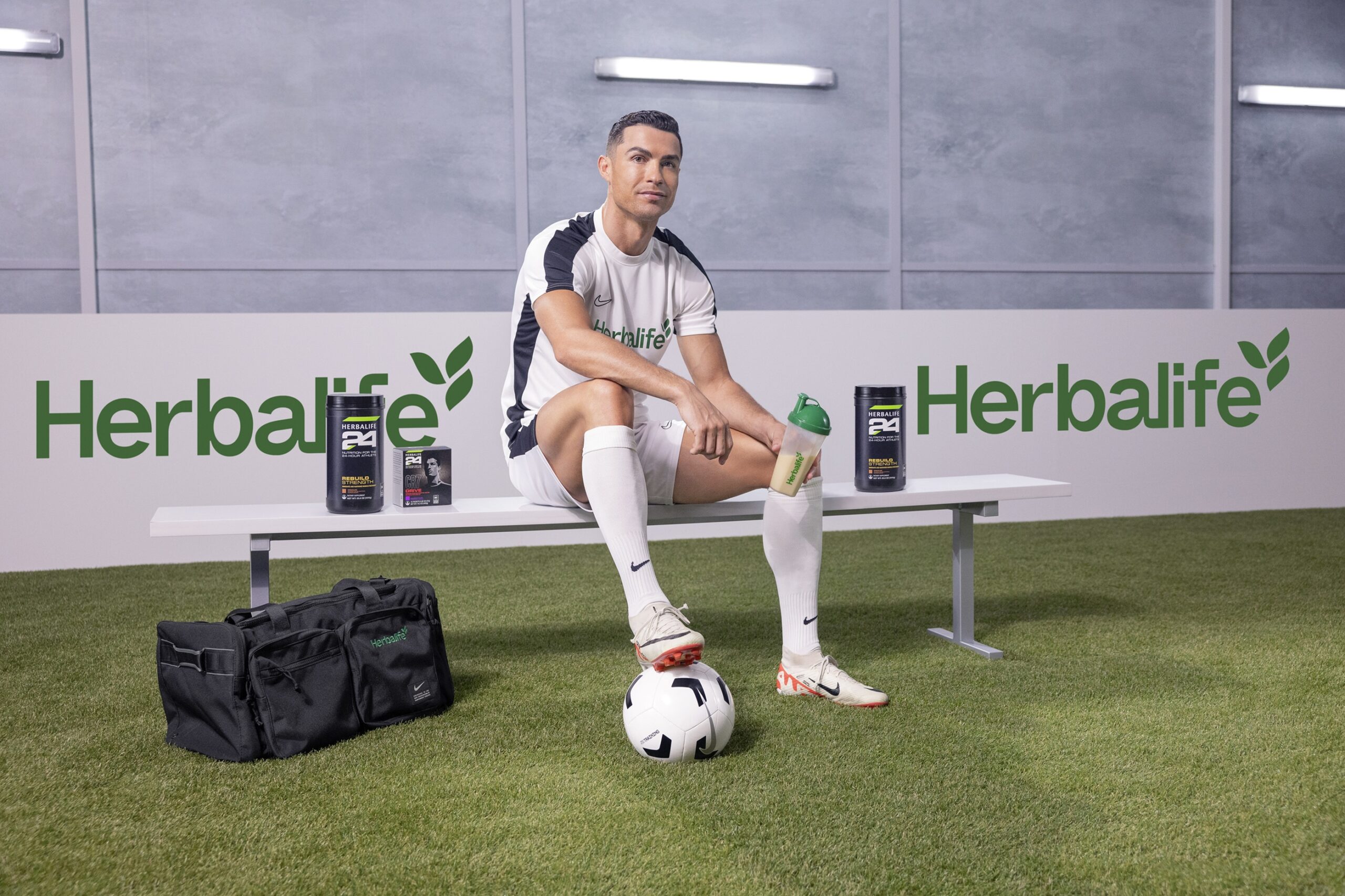
Dr Krissy Ladner, Director of Sports Performance and Nutrition Education, Herbalife, said, “As a sports dietitian working with professional football players, I spend as much time on recovery nutrition as I do on pre-match fuelling. Maybe more. And I use a simple mnemonic that any player, at any level, can remember: the 4 Rs.”
R #1: Replenish
The first job is to refill muscle glycogen. During a match or a hard workout, your body pulls from stored carbohydrate in the muscles to power high-intensity work — sprinting, jumping, changing direction. A useful test: if you could not have held a conversation mid-workout because you were breathing too hard, you used stored carbs, and you need to refuel.
The target is 30 to 60 grams of carbohydrate in the first hour after training. A bowl of rice with lean protein, a turkey sandwich on whole grain bread, or a recovery smoothie with fruit and oats all get you there.
R #2: Repair
The second job is repairing the muscle tissue that was broken down during training. The Ministry of Health of Malaysia also emphasised on how tissue maintenance is critical for counteracting physiological wear and tear, a process sustained by the continuous supply and utilisation of proteins and amino acids[1]. Protein provides the building blocks for that process, so we want to keep amino acid levels in the bloodstream elevated to support repair and recovery.
The target is 15 to 30 grams of high-quality protein — chicken, fish, eggs, dairy, or a protein shake. This matters most after strength work, but every hard training session creates some muscle damage, and protein helps repair it.
Dr Krissy Ladner shared, “A useful ratio I give elite players for their immediate post-match meal or shake: 3:1 carb to protein. That translates to roughly 60 to 120 grams of carbs and 20 to 40 grams of protein. It is a simple framework to build a recovery smoothie around. Frozen fruit, oats, milk or a plant-based alternative, and a scoop of protein — done.”
R #3: Reinforce
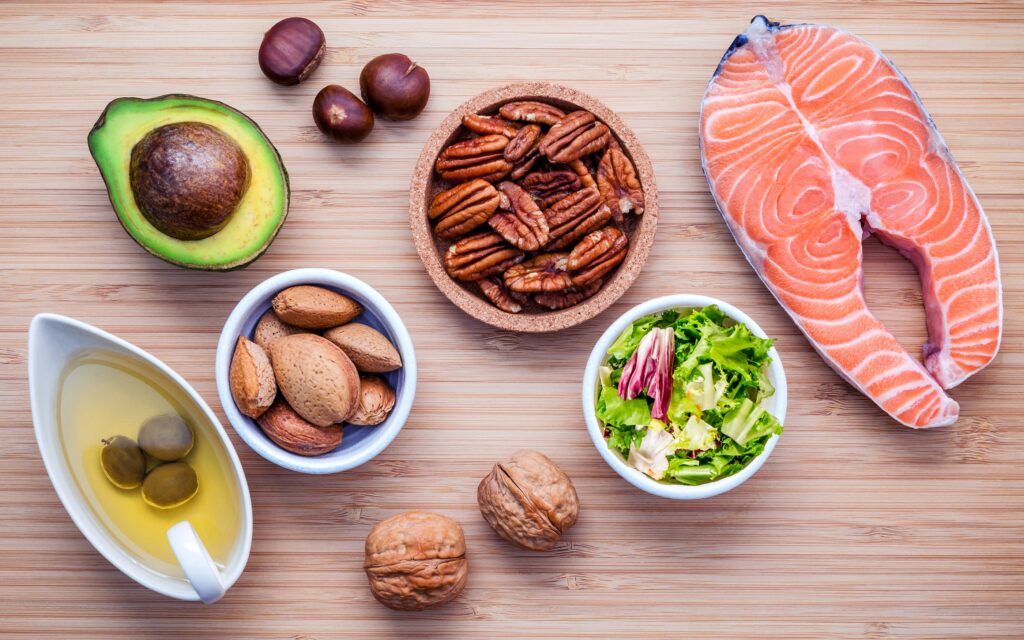
“This one gets skipped more than any of the others, and it is the one I care most about in the long run. Reinforce means supporting muscle cells, immune function and the nervous system with colourful, anti-inflammatory whole foods: fruits and vegetables, whole grains, nuts, fish and olive oil,” said Dr Krissy Ladner.
This is where tart cherries come in. There is pretty solid evidence that tart cherry juice can help reduce muscle soreness and support recovery after hard training, and it may also help with sleep. Turmeric, specifically curcumin, has similar benefits when it comes to reducing inflammation and soreness.
“That said, I don’t position these as magic recovery tools or something that’s going to build muscle faster. They’re more about helping you feel better and recover between sessions. And like anything else, they work best as part of an overall routine versus a standalone fix,” she added.
R #4: Rehydrate
Water is the start, not the finish. During a hard session, you do not just lose water; you lose sodium, potassium and magnesium through sweat, and rehydration requires replacing all of them. For less intense exercise that does not produce much sweat, water is usually enough. But if you have been sweating heavily, you need electrolytes in your post-workout meal or drink. Sodium is especially important because it holds fluid in the body and helps pull it back into your cells.
The simplest test of rehydration status is urine colour. It should look like pale lemonade, not apple juice. According to the Malaysian Urological Association, normal urine should be pale yellow to dark yellow depending on your level of hydration[2].
The 5th R: Rest
This is the easiest one to do, and the easiest one to forget. Recovery is not just about what you eat and drink. Your body needs time to heal and repair before you get back out there. Sleep is when growth hormones are released and when muscle tissue rebuilds. Based on the National Health and Morbidity Survey 2023, 38% of Malaysian adults fall short of the required seven hours of daily sleep.[3]
Rest is part of training. It’s what allows your body to recover, reduce injury risk, and actually perform at a higher level over time.
The elite-to-everyday translation
The 4 Rs are not just for pros. If your last session challenged you, where you were working with intent and not just going through the motions, this same framework applies. The portions scale with your body and your workload, but the logic does not change. Replenish, Repair, Reinforce, Rehydrate — and then Rest.
The match may be over when the whistle blows. Your recovery is just beginning.
[1] https://www.moh.gov.my/images/perkhidmatan-utama/info-kesihatan/pemakanan/5_chat.pdf#:~:text=The%20maintenance%20of%20body,amino%20acids%20provide%20continuous%20repairs
[2] https://mua.my/urological-conditions/hematuria/
[3] https://iku.nih.gov.my/images/nhms2023/key-findings-nhms-2023.pdf