US reduces tariff on Malaysia to 19pct
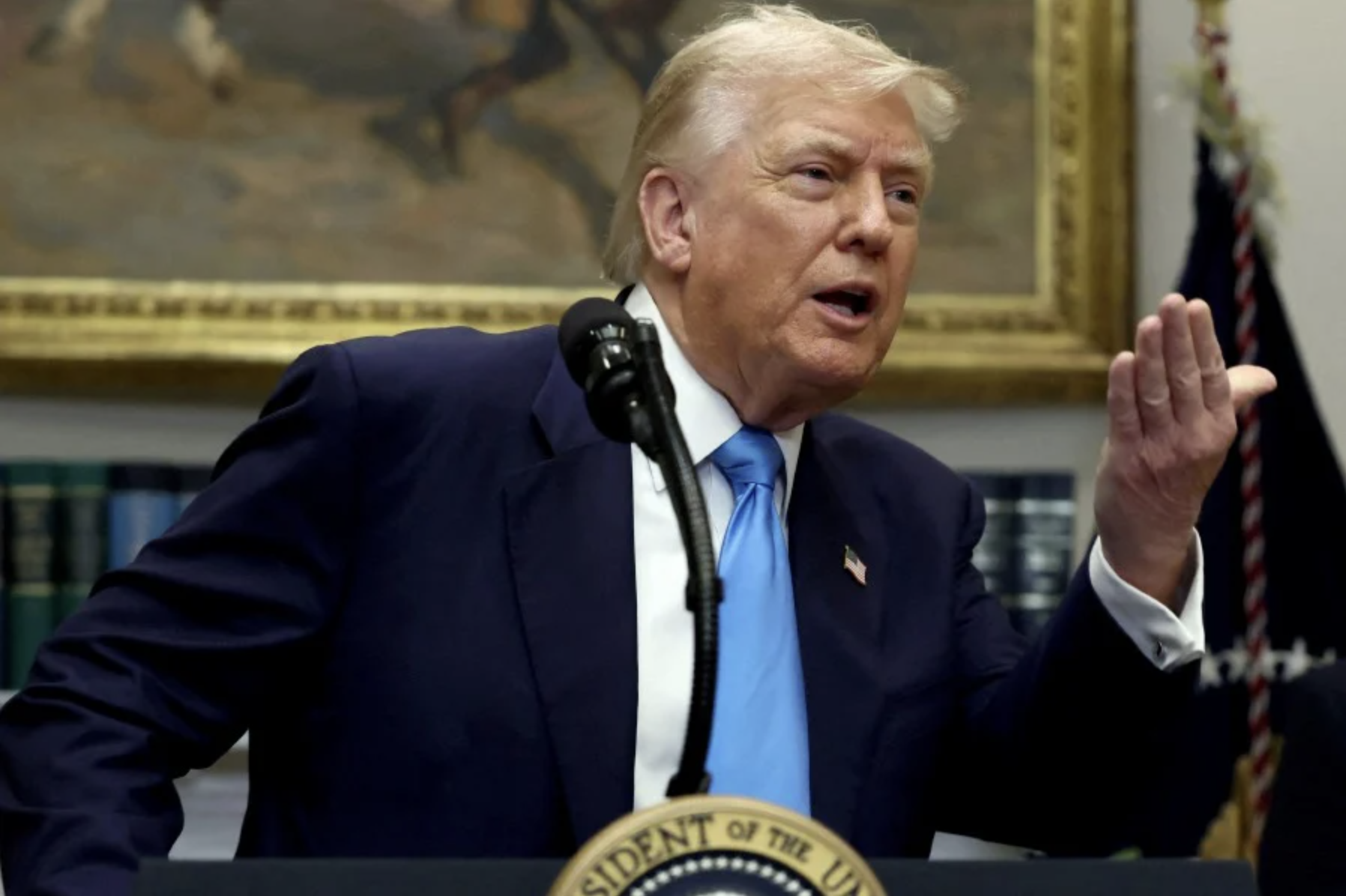
The United States has revised its tariff on Malaysian imports to 19 per cent, following a presidential order issued by the White House on July 31.
The new rate forms part of broader changes to the US Reciprocal Tariff framework under Executive Order 14257, aimed at addressing what Washington describes as long-standing trade imbalances and national security concerns.
Malaysia is among several trading partners now subject to revised ad valorem duties under the updated tariff schedule, which takes effect seven days from the date of the order. The new rate will apply to Malaysian goods entering the US unless exempted under specific conditions.
The order, signed by President Donald Trump, reflects ongoing efforts by the US administration to pressure trade partners to align more closely with its economic and security policies.
In Southeast Asia, the 19 per cent tariff imposed on Malaysia is on par with the rates now applied to Indonesia, the Philippines, Thailand and Cambodia. Vietnam faces a slightly higher rate of 20 per cent.
Singapore, a major US trading partner in the region, is notably absent from the list, implying no new reciprocal tariff adjustment.
Brunei faces a higher rate at 25 per cent, while Laos and Myanmar are subject to steep hikes, 40 per cent each, which may reflect Washington’s tougher stance on countries seen as offering minimal engagement or posing circumvention risks.
Among other Asian economies, India is now subject to a 25 per cent tariff, while Taiwan and Sri Lanka face 20 per cent. South Korea and Japan each received a uniform 15 per cent rate, and China is covered under a separate executive order.
The wide variation in tariffs reflects the US administration’s country-specific approach, rewarding what it deems “constructive alignment” on trade and security, while penalising nations considered uncooperative or non-reciprocal.